How to Choose the Best Aged Beef at Your Butcher or Market
For meat lovers, few experiences rival sinking your teeth into a perfectly aged beef steak. That rich, nutty flavor and tender texture are the result of careful time, patience, and expert butchery. But not all aged beef is created equal, and choosing the right cut at your local butcher or market can feel overwhelming. Whether you’re a seasoned carnivore or a culinary explorer, understanding the nuances of aged beef ensures that your next meal is nothing short of extraordinary.
Understanding Aged Beef: Dry vs Wet
Before diving into selection tips, it’s essential to know what aged beef really is. Aging beef is the process of allowing meat to rest under controlled conditions to enhance flavor and tenderness. There are two main types:
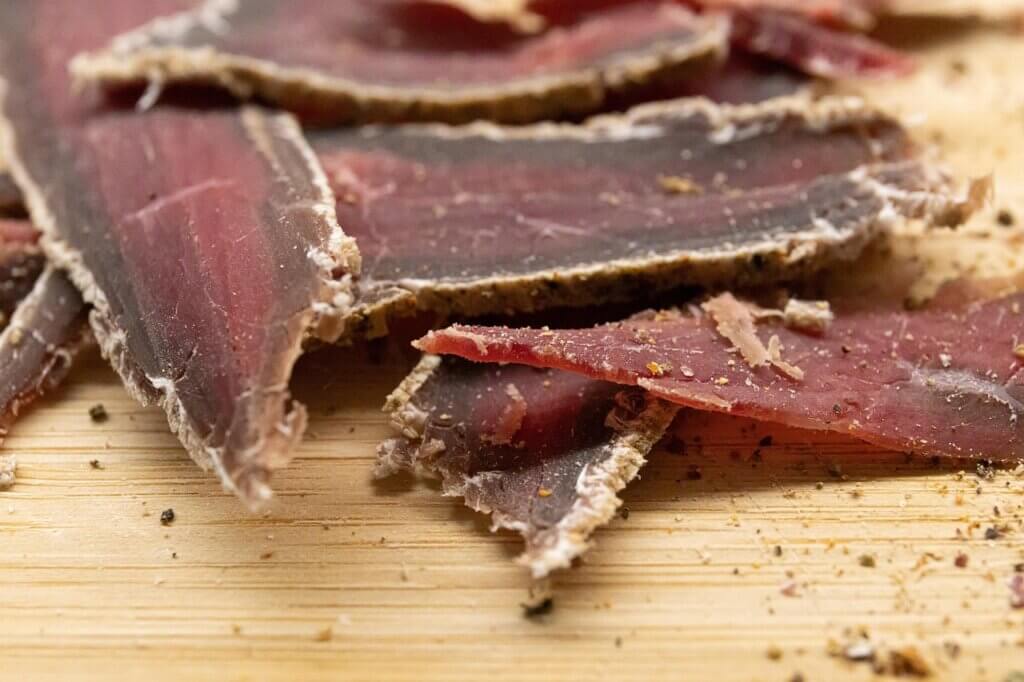
- Dry-Aged Beef: Meat is hung in a temperature- and humidity-controlled environment for several weeks. The exterior forms a crust, which is trimmed before cooking, concentrating flavors and creating a deep, nutty taste. Dry-aged beef is often considered the gourmet choice for steak aficionados.
- Wet-Aged Beef: Meat is vacuum-sealed and refrigerated for a shorter period. This method keeps the beef moist and tender but offers a subtler flavor compared to dry-aged beef.
Knowing the difference between these two will help you choose the right aged beef for your cooking style and budget.
Why Choosing the Right Aged Beef Matters
Not all aged beef is equal. The quality depends on factors such as the breed of the cattle, the cut, the aging method, and even the butcher’s expertise. Choosing the wrong cut or aging style can lead to a meal that’s tough, bland, or overpriced. On the other hand, selecting the best-aged beef ensures a melt-in-your-mouth experience that elevates any dish—from a simple pan-seared steak to an elaborate Spanish asado.
Tips for Choosing the Best Aged Beef at Your Butcher
Keep the following tips in mind when visitng your butcher for the beef.
1. Build a Relationship with Your Butcher
Your butcher is more than a meat seller—they are a guide to the world of aged beef. Ask questions about the aging process, origin of the meat, and recommended cuts. A knowledgeable butcher can help you choose aged beef that suits your cooking method and taste preferences.
2. Check the Cut
Different cuts of beef respond differently to aging. Popular choices include:
- Ribeye: Richly marbled and flavorful, ideal for dry aging.
- Sirloin: Leaner, yet tender when properly aged.
- Striploin: Balanced flavor, excellent for grilling.
Understanding the cuts ensures that you pick aged beef that will cook evenly and taste amazing.
3. Observe the Color and Marbling
Good-aged beef has a deep, rich red color. Marbling—the thin streaks of fat within the muscle—enhances flavor and tenderness. Look for beef with consistent marbling and avoid cuts with excessive dark spots or discolored edges.
Dry-aged beef may have a darker, almost mahogany exterior, which is normal. This crust is trimmed away before cooking, leaving the richly flavored meat inside.
4. Smell the Meat
Aged beef has a distinct aroma, especially dry-aged varieties. It should smell nutty and beefy, never sour or overly pungent. If the scent is off, it’s best to pass on that cut.
5. Consider the Aging Time
Aged beef can range from 14 days to over 60 days of aging. Generally:
- 14–21 days: Tender with mild flavor, suitable for beginners.
- 28–35 days: Deeper, more pronounced flavor; ideal for gourmet cooking.
- 45+ days: Intense, nutty flavor for true aficionados.
Choose the aging period that aligns with your palate and cooking plans.
6. Ask About the Origin
High-quality beef often comes from specific breeds or regions. In Spain, for example, premium aged beef may come from Galician Blond or Rubia Gallega cattle, known for exceptional marbling and flavor. Knowing the source gives you insight into quality and sustainability practices.
7. Check the Packaging and Storage
If buying pre-packaged aged beef, ensure the packaging is vacuum-sealed without leaks. The meat should be kept at a consistent cold temperature. At the market, ensure the butcher maintains clean, well-chilled display cases.
Shopping at Markets vs Specialty Butchers
While supermarkets may carry aged beef, specialty butchers and local markets often offer higher-quality selections. Markets also provide the advantage of seeing and sometimes even tasting different cuts before purchase. Additionally, small-scale butchers may dry-age their beef in-house, giving you a fresher and more flavorful product.
Pairing Aged Beef with Flavors
Aged beef pairs beautifully with complementary sides and drinks:
- Wine: Bold reds like Rioja, Ribera del Duero, or Cabernet Sauvignon enhance the meat’s depth.
- Sides: Roasted vegetables, creamy potatoes, or grilled mushrooms highlight the natural flavors.
- Sauces: Keep it simple—herb butter, chimichurri, or a light jus works best.
These pairings elevate your dining experience without overpowering the star ingredient: the aged beef itself.
Final Thoughts
Choosing the best-aged beef at your butcher or market is both an art and a science. By understanding the cuts, aging methods, and quality indicators, you can confidently select beef that delivers exceptional flavor and tenderness. The next time you visit your butcher, take your time, ask questions, and savor the experience of selecting a cut that will transform your meal into a true culinary celebration.