Iberian Ham: 7 Fascinating Facts About Spain’s Iconic Ham
When it comes to iconic Spanish foods, Iberian ham—or jamón ibérico—holds a place of pride. Its rich flavor, delicate texture, and centuries-old tradition make it a staple in tapas bars, fine dining, and Spanish homes alike. But how did this culinary treasure come to be? Let’s explore the fascinating history of Iberian ham, its production, and why it’s a must-try for anyone visiting Spain.
What Makes Iberian Ham Special?
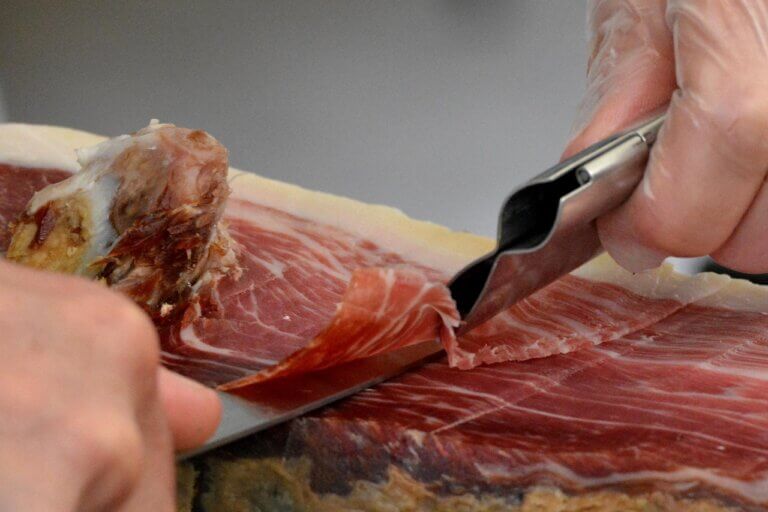
Unlike ordinary cured hams, Iberian ham comes from the Iberian pig, a breed native to Spain and Portugal. These pigs are known for their ability to produce meat with intricate marbling of fat, giving the ham its unique melt-in-your-mouth texture. The secret lies in their diet: many Iberian pigs are fed on acorns during the montanera season, which adds a nutty, rich flavor to the meat.
This combination of breed, diet, and traditional curing methods is what makes Iberian ham a culinary masterpiece recognized worldwide.
A Journey Through History
The origins of Iberian ham can be traced back over thousands of years. Ancient Iberians were among the first to practice curing meat, preserving it for winter months. By the Roman era, ham had become a prized food item, often mentioned in literature and enjoyed by the aristocracy.
Over centuries, curing techniques evolved. Traditional methods include salting the meat and aging it for up to four years, depending on the type of ham. These methods were refined in regions like Jabugo, Guijuelo, and Dehesa de Extremadura, which remain world-renowned for their Iberian ham today.
Types of Iberian Ham
There are several types of Iberian ham, classified by the pig’s diet and purity of breed:
- Jamón Ibérico de Bellota – From pigs fed entirely on acorns, considered the highest quality.
- Jamón Ibérico de Cebo de Campo – From pigs fed on a mix of acorns and pasture grains.
- Jamón Ibérico de Cebo – From pigs raised on grain feed, still flavorful but milde.
Each type offers a distinct taste experience, making it easy to find the perfect Iberian ham for your palate.
Iberian Ham in Modern Spanish Cuisine
Today, Iberian ham is more than just a tapas bar delicacy—it’s a symbol of Spanish culture. It’s served thinly sliced at family gatherings, as part of gourmet cheese boards, and in modern culinary creations in Michelin-starred restaurants
Many Spanish chefs use it creatively, pairing it with fresh burrata, seasonal vegetables, or wines like Rioja and Cava, showcasing its versatility beyond traditional slices.
Where to Try Iberian Ham in Barcelona
If you’re visiting Barcelona, some of the best spots to enjoy authentic Iberian ham include:
- El Pintxo de Petritxol – Famous for pairing pintxos with cured meats, including premium Iberian ham.
- Tapeo – A cozy tapas bar serving traditional slices alongside Spanish wines.
- Cervecería Catalana – Popular for its tapas plates and vibrant local atmosphere.
Whether at a bustling tapas bar or a fine dining restaurant, tasting Iberian ham in Barcelona is a must-have culinary experience.
Final Thoughts
From its ancient roots to its place in modern Spanish gastronomy, Iberian ham is more than just a delicacy—it’s a cultural heritage. Understanding its history enhances your appreciation of every slice, making your next tapas experience even more memorable.
Next time you visit Barcelona or a Spanish tapas bar, don’t miss the chance to savor Iberian ham—a true taste of Spain.