Mediterranean Food Restaurant: 7 Amazing Reasons to Visit
When most people think of Mediterranean cuisine, olive oil immediately comes to mind. While this golden elixir is indeed a cornerstone, the Mediterranean food culture extends far beyond olive oil, encompassing a rich tapestry of flavors, ingredients, and culinary traditions that have evolved over centuries. From the sun-soaked coasts of Spain to the Greek islands and North African shores, Mediterranean cuisine offers a diverse and healthy approach to eating that’s both satisfying and culturally immersive.
The Rich History of Mediterranean Food Restaurants
Mediterranean food culture has been shaped by centuries of trade, migration, and conquest. The region’s cuisine reflects a fusion of influences from the Phoenicians, Romans, Moors, and Byzantines. This history created a culinary landscape where fresh herbs, grains, seafood, legumes, and vibrant spices coexist harmoniously, highlighting local and seasonal ingredients.
In Spain, for example, dishes like paella and gazpacho show the Moorish influence on rice, saffron, and spices. In Italy, the simple beauty of fresh tomatoes, basil, and mozzarella highlights the Mediterranean’s focus on quality over complexity.
Key Ingredients Beyond Olive Oil
While olive oil is the foundation, Mediterranean cuisine celebrates other essential ingredients:
- Fresh Vegetables: Tomatoes, zucchini, eggplant, peppers, and leafy greens dominate the Mediterranean plate.
- Seafood: From Spanish sardines to Greek octopus, seafood is a staple, providing lean protein and omega-3s.
- Legumes: Chickpeas, lentils, and beans are frequently used in stews, salads, and spreads.
- Herbs and Spices: Oregano, thyme, rosemary, saffron, and paprika elevate flavors naturally.
- Cheeses and Dairy: Feta, Manchego, and yogurt play key roles in sauces, salads, and desserts.
These ingredients combine to create dishes that are nutritious, balanced, and full of flavor—a reason the Mediterranean diet is celebrated worldwide.
Signature Mediterranean Dishes
Every Mediterranean country boasts signature dishes that reflect its local flavors and traditions:
- Spain: Paella, Gazpacho, Churros, and Tapas
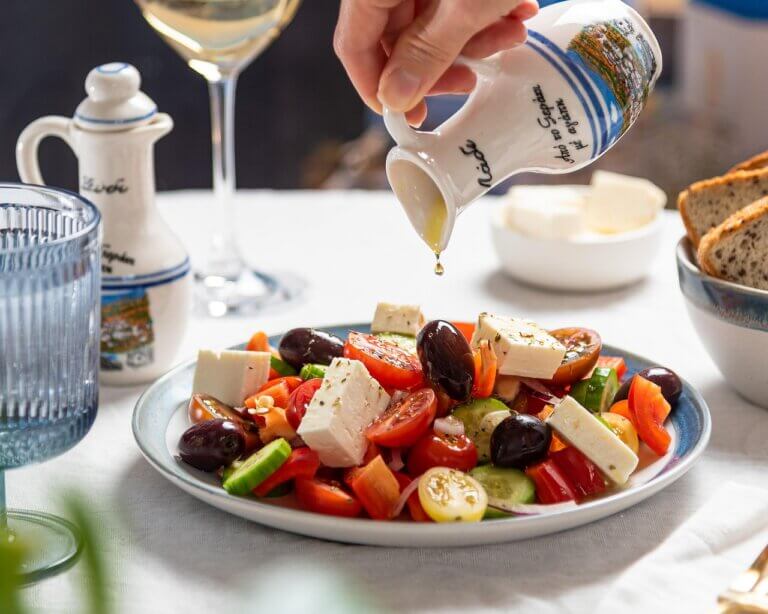
- Greece: Moussaka, Greek Salad, Tzatziki, and Dolmas
- Italy: Caprese Salad, Risotto, Pasta, and Frittata
- Morocco & North Africa: Couscous, Tagines, Harira Soup
Many Mediterranean restaurants worldwide aim to capture these authentic flavors, offering diners a journey across the region without leaving their city.
Mediterranean Restaurants: More Than Just Food
A true Mediterranean food experience goes beyond taste. It’s about community, sharing, and the joy of eating together. Many Mediterranean restaurants, especially in Spain and Italy, encourage family-style dining, where multiple dishes are shared at the table.
In Barcelona, for instance, restaurants like El Pintxo de Petritxol incorporate Mediterranean staples into tapas, while emphasizing fresh, local ingredients. The combination of traditional techniques with modern presentation highlights the versatility of Mediterranean cuisine.
Health Benefits of Mediterranean Dining
Mediterranean cuisine isn’t just delicious—it’s one of the healthiest diets in the world. Research shows it can:
- Reduce the risk of heart disease and stroke
- Improve brain function and longevity
- Support weight management
- Provide essential vitamins, minerals, and antioxidants
By focusing on fresh, seasonal ingredients and lean proteins, Mediterranean restaurants offer a culinary experience that is both indulgent and nourishing.
Experiencing Mediterranean Culture in Barcelona
If you’re exploring Mediterranean food in Barcelona, try dishes like:
- Paella de Marisco: Seafood paella with saffron and fresh shellfish
- Burrata Salad: Creamy burrata with ripe tomatoes and olive oil
- Rabo de Toro: Slow-cooked oxtail stew with rich, robust flavors
Pair your meal with a glass of Cava or local Rioja wine to complete the experience.
Conclusion
Mediterranean food culture is about more than just olive oil—it’s a celebration of flavor, history, health, and communal dining. From fresh vegetables and aromatic herbs to seafood, cheese, and legumes, Mediterranean cuisine embodies a lifestyle of balance, tradition, and enjoyment. Whether at a traditional restaurant in Barcelona or preparing dishes at home, exploring the Mediterranean palate offers a delicious journey through history, culture, and taste.