5 Delicious Ways to Cook Spanish Peppers: Roasted, Sweet, and Full of Flavor
Spanish cuisine is a celebration of vibrant colors, bold flavors, and simple ingredients elevated to perfection. Among its most beloved staples are Spanish peppers, versatile, flavorful, and a cornerstone of traditional dishes from tapas to stews. Whether roasted, grilled, or stuffed, peppers bring a naturally sweet and smoky depth that’s hard to resist. Today, we’ll explore how to cook Spanish peppers at home, highlighting techniques, tips, and serving ideas that bring the authentic taste of Spain straight to your kitchen.
What Makes Spanish Peppers So Special?
Spanish peppers are not just ordinary bell peppers—they are prized for their sweetness, tender flesh, and aromatic depth. Common varieties include red, green, and yellow bell peppers, along with smaller regional types like padrón peppers and ñoras. Roasting or grilling Spanish peppers enhances their natural sugars, giving them a smoky, caramelized flavor that elevates any dish.
In southern Spain, peppers are a key part of everyday meals, from tapas bars in Andalusia to family kitchens in Valencia. Their versatility means they can shine on their own or complement proteins like secreto ibérico a la plancha, fish, or seafood. The beauty of Spanish peppers lies in their ability to adapt to different cooking styles while maintaining a sweet, fragrant profile.
Ingredients for Perfect Spanish Peppers
To prepare authentic Spanish peppers, you’ll need just a few simple ingredients:
- 6–8 fresh Spanish peppers (red, yellow, or green)
- 2–3 tablespoons extra virgin olive oil
- Sea salt to taste
- Freshly ground black pepper
- Optional: garlic cloves, smoked paprika, fresh parsley
Choosing the right peppers is crucial. Look for firm, brightly colored peppers with smooth, unblemished skin. The quality of the peppers directly impacts flavor, especially when using minimal seasoning.
Step-by-Step Guide to Cooking Spanish Peppers
1. Preparation
Wash the peppers thoroughly, removing stems, seeds, and membranes. Depending on your recipe, you can leave them whole, slice into strips, or halve them. For smaller varieties like padrón peppers, simply wash and dry them.
2. Roasting Method
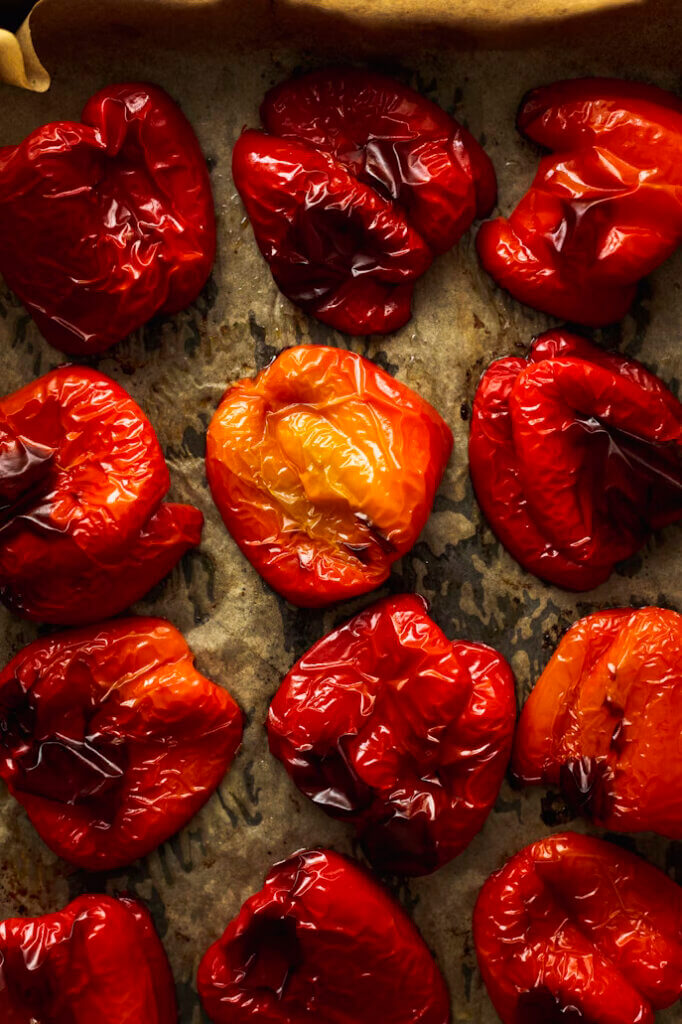
Preheat your oven to 220°C (430°F) or prepare a hot grill. Toss the peppers with olive oil, sea salt, and black pepper. Arrange them on a baking sheet or grill tray. Roast for 20–25 minutes, turning occasionally, until the skin blisters and the flesh becomes tender. Roasting develops the smoky, caramelized notes that make Spanish peppers irresistible. For a slightly charred flavor reminiscent of traditional Spanish tapas bars, you can broil them for the last 3–5 minutes.
3. Flavor Enhancements
While the natural flavor of the peppers is remarkable on its own, you can elevate it with simple additions. Tossing in garlic cloves, sprinkling smoked paprika, or finishing with fresh parsley adds aromatic complexity without overpowering the peppers’ sweetness.
Popular Ways to Serve Spanish Peppers
- As a Tapa
One of the simplest ways to enjoy Spanish peppers is as a tapa. Serve roasted pepper strips on crusty bread with a drizzle of olive oil and a sprinkle of sea salt. Add a few roasted garlic cloves for extra depth. This presentation captures the essence of Spanish cuisine: fresh, simple, and full of flavor.
- Stuffed Peppers
Larger Spanish peppers are perfect for stuffing. Fill them with rice, vegetables, or spiced meats, then bake until tender. This method highlights the peppers’ natural sweetness while adding savory layers for a satisfying main course.
- Paired with Meat or Seafood
Spanish peppers complement grilled proteins beautifully. They pair especially well with secreto ibérico a la plancha, roasted chicken, or seafood like Andalusian-style squid. Toss roasted peppers alongside the meat or slice them as a colorful, flavorful garnish.
- In Spanish Stews and Salads
Chopped roasted peppers can also be incorporated into classic Spanish dishes, from hearty stews like pisto manchego to refreshing summer salads. Their vibrant color and natural sweetness enhance both flavor and presentation.
Tips for Perfect Spanish Peppers
- Choose fresh peppers: Look for bright, firm, unblemished skin.
- High heat is key: Roast or grill peppers at a high temperature to develop natural sugars and smoky notes.
- Don’t overcook: Peppers should be tender yet still hold their shape.
- Keep seasoning simple: Olive oil, salt, and pepper let the natural flavor shine.
- Peel if desired: After roasting, remove the skin for a smoother texture, especially for stuffed or finely chopped dishes.
Why Spanish Peppers Are a Must-Have in Your Kitchen
Spanish peppers are more than just a side dish—they’re a versatile ingredient that elevates any meal. Their combination of sweetness, tenderness, and aroma makes them a staple in Spanish gastronomy. By mastering simple roasting techniques, you can create dishes that are visually stunning, flavorful, and authentically Spanish. Whether you’re enjoying them as a tapa, pairing them with secreto ibérico a la plancha, or adding them to a salad or stew, Spanish peppers bring both color and taste to your table. Their simplicity allows them to complement a wide range of dishes, making them indispensable for anyone looking to explore the flavors of Spain.
Conclusion
Cooking Spanish peppers at home is simple, rewarding, and a delicious way to bring a taste of Spain into your kitchen. Their natural sweetness, smoky aroma, and tender texture make them a versatile addition to any meal. Whether roasted, grilled, or stuffed, Spanish peppers capture the essence of Spanish cuisine—fresh, flavorful, and irresistible. Bring out the vibrant colors, savor the natural flavors, and enjoy the authentic taste of Spanish peppers in every bite.