7 Secrets of Beef Aged: How to Get Juicy, Flavorful Cuts Every Time
For meat lovers, few culinary experiences rival the richness and tenderness of perfectly aged beef. Known for its deep flavor, succulent texture, and melt-in-your-mouth quality, beef aged represents the pinnacle of premium meat preparation. Whether enjoyed in a fine dining restaurant or prepared at home, understanding the art and science behind aging beef can transform an ordinary cut into an extraordinary culinary delight.
What Does “Beef Aged” Mean?
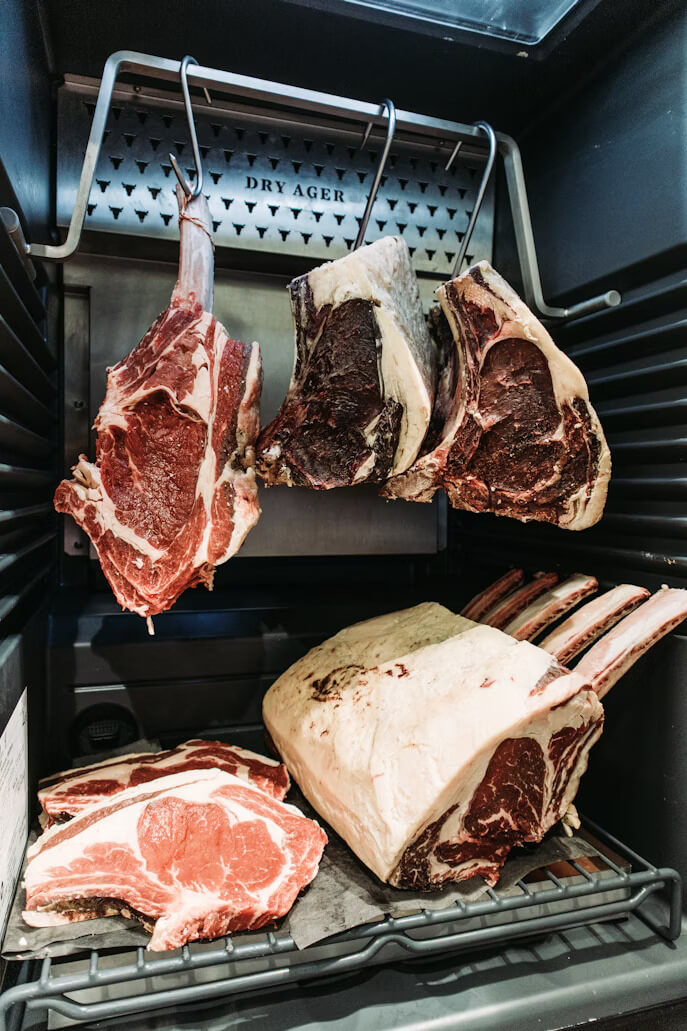
Beef aged refers to the controlled process of allowing meat to rest under specific conditions before consumption. During aging, natural enzymes break down muscle fibers and connective tissue, enhancing tenderness and intensifying flavor. There are two primary methods: dry-aging and wet-aging.
- Dry-aged beef: Stored in a temperature- and humidity-controlled environment, typically for several weeks. The process develops a concentrated, nutty flavor and a firm yet tender texture.
- Wet-aged beef: Vacuum-sealed and refrigerated, usually for a shorter period. While slightly less intense in flavor than dry-aged beef, it remains juicy and tender, making it more accessible for everyday cooking.
The aging process is crucial because it transforms ordinary cuts into a luxurious experience, bringing out flavors and textures that cannot be achieved through standard meat preparation.
Why Aged Beef Is So Flavorful
The magic of beef aged lies in enzymatic action and moisture control. As the meat rests:
- Enzymes break down proteins and collagen, resulting in a tender, velvety texture.
- Moisture evaporation in dry-aging concentrates flavor, producing a rich, beefy taste.
- Fat marbling interacts with enzymes, enhancing juiciness and adding a buttery mouthfeel.
This careful balance of science and craftsmanship is why aged beef is so highly prized among chefs and home cooks alike. Every bite delivers a depth of flavor and texture that standard, unaged cuts simply cannot match.
Selecting the Best Aged Beef
Choosing the right cut is essential for maximizing the benefits of aging. While almost any beef can be aged, certain cuts excel:
- Ribeye: Rich marbling and natural fat content make it ideal for dry-aging.
- Sirloin: Offers a robust flavor that improves with aging.
- Striploin (New York Strip): Tender yet flavorful, perfect for both dry and wet aging.
- Tenderloin: Extremely tender; subtle aging enhances texture without overpowering flavor.
Look for beef with visible marbling, firm texture, and deep red color. These qualities ensure the aging process enhances flavor and tenderness effectively.
Cooking Aged Beef
Cooking beef aged requires attention to detail to preserve its unique characteristics:
1. Preparing the Meat
Remove the beef from the refrigerator about 30–60 minutes before cooking to reach room temperature. Pat it dry to ensure a proper sear. Avoid over-seasoning; high-quality aged beef shines with just salt and pepper.
2. Searing for Flavor
Sear aged beef over high heat to develop a caramelized crust, locking in juices. Use a cast-iron skillet or grill for the best results. Avoid overcrowding the pan to maintain consistent temperature.
3. Resting the Meat
After cooking, let the beef rest for 5–10 minutes. This step allows juices to redistribute, ensuring each slice is tender, juicy, and full of flavor.
4. Serving Suggestions
Serve beef aged simply to highlight its natural taste. Pair with roasted vegetables, creamy mashed potatoes, or a fresh salad. For a more indulgent experience, drizzle with a red wine reduction or a light herb butter.
Tips for Enjoying Aged Beef
- Start with high-quality meat: Marbling and freshness are key.
- Mind the aging duration: Dry-aged beef develops richer flavors over 21–60 days.
- Cook to medium-rare or medium: Overcooking can mask the delicate flavors developed during aging.
- Rest before slicing: Retains juices and improves tenderness.
- Pair wisely: Red wines, such as Rioja or Cabernet Sauvignon, enhance the richness of aged beef.
Why Chefs Love Aged Beef
Professional chefs favor beef aged because it provides predictable tenderness and exceptional flavor. The controlled aging process allows restaurants to serve cuts with a consistent, premium quality that elevates the dining experience. Dry-aged beef, in particular, is celebrated for its nutty, concentrated flavor that complements sauces, wines, and sides without being overpowering.
At home, recreating this experience may require sourcing from specialty butchers or high-quality meat suppliers, but the payoff is undeniable: aged beef transforms a simple dinner into a gourmet feast.
Aged Beef and Culinary Pairings
Aged beef pairs wonderfully with a variety of sides and accompaniments:
- Potatoes: Roasted, mashed, or in the form of patatas bravas for a Spanish twist
- Vegetables: Roasted Spanish peppers, sautéed mushrooms, or grilled asparagus.
- Sauces: Simple pan jus, red wine reduction, or a touch of herbed butter.
- Beverages: Full-bodied red wines like Rioja, Tempranillo, or Cabernet Sauvignon complement the rich flavors of aged beef.
These pairings highlight the meat’s flavor while creating a well-rounded, memorable meal.
Conclusion
Beef aged is more than just a cut of meat—it’s a culinary experience that combines science, tradition, and artistry. From its tender texture and rich flavor to its versatility in cooking, aged beef transforms an ordinary meal into a gourmet indulgence. Whether dry-aged for deep, nutty flavor or wet-aged for tender juiciness, every slice showcases the magic of patience, quality ingredients, and careful preparation.
For meat lovers and home cooks alike, understanding and appreciating beef aged opens the door to a world of flavor, texture, and satisfaction. Treat yourself to the ultimate indulgence and discover why aged beef is revered across kitchens and dining tables worldwide.