Scrambled Eggs: 7 Irresistible Spanish-Style Recipes for Creamy Perfection
Few dishes are as universally loved, versatile, and comforting as scrambled eggs. In Spain, these humble eggs are elevated beyond the ordinary breakfast fare into a culinary delight that showcases simplicity, technique, and bold flavors. Whether served for breakfast, brunch, or as a tapa in the evening, Spanish-style scrambled eggs demonstrate how even the simplest ingredients can become spectacular when prepared with care and tradition.
The Spanish Take on Scrambled Eggs
While scrambled eggs are a global favorite, Spain offers its own unique twist. Known as huevos revueltos, Spanish scrambled eggs often include olive oil instead of butter, and may be enriched with fresh herbs, sautéed vegetables, or flavorful additions like jamón ibérico, chorizo, or Spanish cheese.
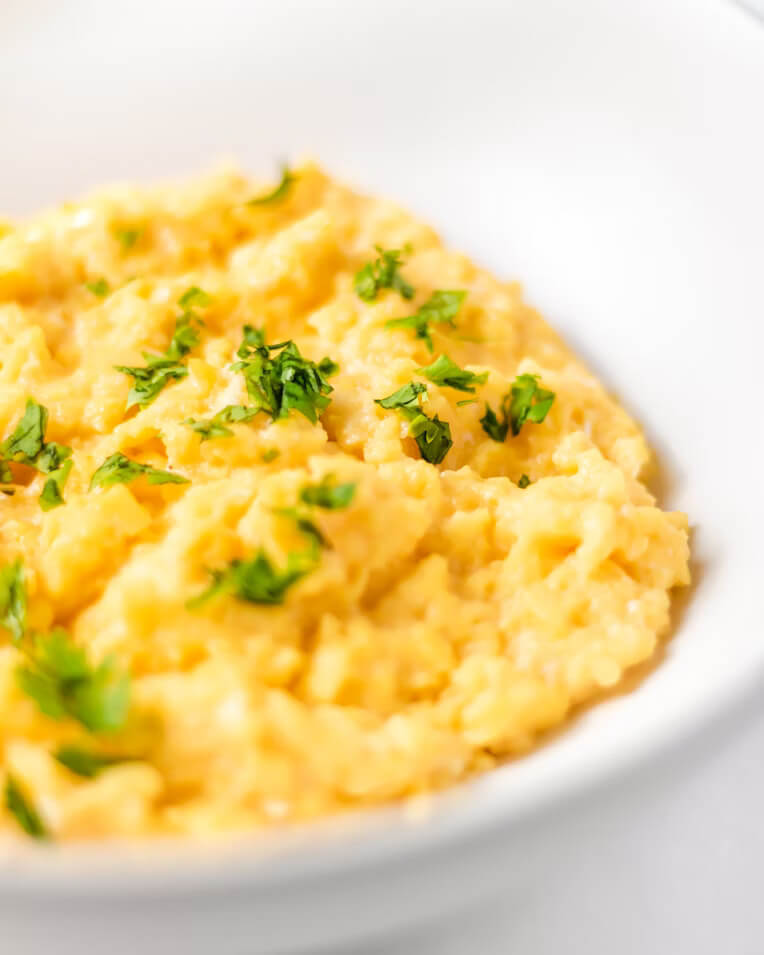
Spanish scrambled eggs are typically cooked over gentle heat, resulting in a creamy, tender texture rather than the dry, rubbery consistency sometimes found in rushed preparations. This careful technique highlights the eggs’ natural flavor while incorporating local ingredients that make the dish distinctly Spanish.
Ingredients That Make Spanish Scrambled Eggs Special
Creating authentic scrambled eggs Spanish-style is all about high-quality, fresh ingredients:
- 4 large eggs (preferably free-range)
- 2 tablespoons extra virgin olive oil
- 1 clove garlic, minced (optional)
- 50g jamón ibérico or chorizo, diced (optional)
- Salt and freshly ground black pepper to taste
- Fresh herbs like parsley or chives for garnish
- Optional: sautéed vegetables such as tomatoes, bell peppers, or mushrooms
The magic of scrambled eggs in Spanish cuisine comes from balancing simplicity with flavor. Even without added meats or vegetables, a careful cooking method and quality olive oil transform ordinary eggs into a decadent dish.
Step-by-Step Technique for Perfect Spanish Scrambled Eggs
The following recipe ensure perfect spanish scrambled eggs.
1. Prepare Ingredients
Start by cracking your eggs into a bowl and gently whisking them with a pinch of salt and pepper. If you plan to include toppings like jamón, chorizo, or vegetables, have them prepped and ready. Spanish scrambled eggs are cooked quickly, so preparation is key.
2. Heat Olive Oil
In a non-stick skillet, heat olive oil over medium-low heat. Olive oil adds a subtle richness and helps create the creamy texture that sets Spanish-style scrambled eggs apart. Optional: lightly sauté garlic or onions first for an aromatic base.
3. Cook Slowly and Gently
Pour in the beaten eggs and allow them to begin setting at the edges. Using a spatula, gently stir the eggs, pushing them from the edges toward the center. This slow, low-heat cooking ensures the eggs remain soft and creamy rather than firm and dry.
4. Add Flavor Enhancements
If using jamón ibérico, chorizo, or vegetables, fold them into the eggs just before they finish cooking. The residual heat will warm the ingredients without overcooking the eggs. Some Spanish cooks finish with a drizzle of olive oil or a sprinkle of fresh herbs to elevate the dish further.
5. Serve Immediately
Spanish scrambled eggs are best enjoyed hot from the pan. Serve them on toasted bread for a hearty breakfast, in small portions as a tapa, or alongside other traditional dishes like Spanish peppers or patatas bravas. The creamy texture, combined with flavorful additions, makes each bite indulgent and satisfying.
Tips for Spectacular Scrambled Eggs Spanish-Style
- Use fresh eggs: Quality eggs make a noticeable difference in taste and texture.
- Cook over low heat: Slow cooking prevents dryness and preserves creaminess.
- Stir gently: Avoid over-stirring, which can break the eggs into tiny pieces.
- Enhance with local ingredients: Jamón ibérico, chorizo, or Manchego cheese add depth.
- Serve immediately: Eggs continue cooking off heat, so plate them as soon as they reach the desired texture.
Variations to Explore
Spanish cuisine offers many ways to enjoy scrambled eggs, making them suitable for any meal or occasion:
- Huevos revueltos con jamón: Classic Spanish scrambled eggs with finely diced jamón ibérico.
- Huevos revueltos con setas: Sautéed mushrooms folded into creamy eggs for earthy richness.
- Huevos revueltos con pimientos: Bell peppers add sweetness and color, perfect with a sprinkle of smoked paprika.
- Huevos a la flamenca: A more elaborate dish with vegetables, chorizo, and tomato sauce baked with eggs.
These variations demonstrate the versatility of scrambled eggs in Spanish cuisine, showing how a simple base can adapt to different flavors, textures, and occasions.
Pairing Spanish Scrambled Eggs
Spanish scrambled eggs are wonderfully versatile when it comes to pairing:
- Bread or toast: Perfect for breakfast or brunch, especially rustic Spanish bread.
- Tapas spreads: Serve alongside patatas bravas, Spanish peppers, or secreto ibérico a la plancha for an authentic tapas experience.
- Beverages: A glass of fresh orange juice for breakfast, or a light Spanish white wine or cava for brunch or dinner tapas.
By pairing thoughtfully, scrambled eggs can shine in any context, from casual mornings to festive gatherings.
Why Scrambled Eggs Remain a Spanish Favorite
The charm of scrambled eggs lies in their simplicity and adaptability. They can be a humble weekday breakfast or a centerpiece of a lavish tapas spread. Spanish cooks elevate this everyday ingredient through careful technique, high-quality olive oil, and locally sourced enhancements.
Whether you enjoy them plain or enriched with jamón, vegetables, or cheese, scrambled eggs represent the essence of Spanish comfort food: flavorful, satisfying, and easy to prepare.
Conclusion
Scrambled eggs in Spanish cuisine go far beyond a simple breakfast. Their creamy texture, rich flavor, and adaptability make them a standout dish in any meal. From classic huevos revueltos to creative variations with local meats and vegetables, Spanish scrambled eggs exemplify how simple ingredients, when treated with care, can become spectacular.
Next time you crave a comforting, flavorful dish, turn to scrambled eggs—soft, creamy, and full of Spanish culinary charm. With a few thoughtful techniques and high-quality ingredients, you can transform a basic staple into a delicious, authentic taste of Spain.