Iberian Pork: 7 Delicious Cuts Every Food Lover Must Try
Spain’s culinary world is full of treasures — and few shine brighter than Iberian pork. Known for its incredible marbling, buttery texture, and deep, nutty flavor, it’s the crown jewel of Spanish gastronomy. But beyond the famous jamón ibérico, there’s an entire world of cuts that transform the humble pig into a fine dining experience.
Names like secreto ibérico, pluma ibérica, and presa ibérica might sound mysterious, but each represents a unique part of the animal — and each offers its own story of flavor, tenderness, and tradition. So, what exactly makes Iberian pork so special, and how do these distinct cuts differ? Let’s dive into Spain’s most celebrated meat and uncover the secrets behind every bite.
What Makes Iberian Pork So Special?
Iberian pork comes from the cerdo ibérico, a native pig breed found mainly in southwestern Spain and parts of Portugal. Unlike industrially farmed pigs, these animals live freely in oak-dotted meadows known as dehesas, feasting on acorns, herbs, and grasses.
This natural diet and active lifestyle give the meat its legendary qualities:
- Rich marbling – Fat that melts into the meat during cooking, creating buttery tenderness.
- Distinct flavor – Nutty, earthy, and slightly sweet, thanks to the acorn-rich diet (bellota).
- Juicy texture – A perfect balance between fat and lean muscle.
In Spain, Iberian pork is prized as a delicacy — not just for jamón ibérico, but also for its fresh cuts, each with its own culinary character.
The Star Cuts of Iberian Pork
Let’s explore the three most beloved cuts that define the art of Spanish pork cookery — secreto, pluma, and presa ibérica.
1. Secreto Ibérico — “The Butcher’s Secret”
Where it comes from: Hidden between the shoulder blade and the loin, the secreto is thin, marbled, and hard to find — hence its name, which literally means “secret.”
Flavor profile:
The secreto ibérico is incredibly juicy and flavorful, often called the “Wagyu of pork.” Its thin streaks of intramuscular fat render beautifully, giving the meat a silky texture and deep, savory richness. Traditionally, it’s grilled over high heat (a la plancha or a la brasa) to caramelize the fat while keeping the interior tender. A sprinkle of sea salt and a drizzle of olive oil are all it needs.
A glass of Ribera del Duero red or a bold Priorat Garnacha — both enhance the meat’s smoky, nutty notes. If you find secreto ibérico on a Barcelona restaurant menu, order it rare to medium — overcooking dulls its melt-in-your-mouth magic.
2. Pluma Ibérica — The Feather of Flavor
Where it comes from: Located at the end of the loin near the neck, pluma ibérica translates to “feather” — a nod to its triangular, lightweight shape.
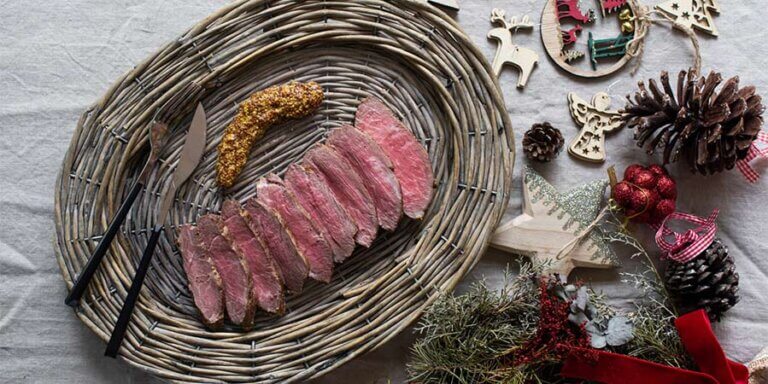
Tender yet meaty, pluma offers the perfect balance of fat and lean meat. It’s slightly firmer than secreto but still remarkably juicy, with a mild sweetness that makes it ideal for both grilling and pan-searing. Pluma ibérica shines on the grill — a quick sear locks in its natural juices while the fat crisps to perfection. It’s also delicious roasted slowly with rosemary, garlic, and a splash of white wine.
Pluma ibérica shines on the grill — a quick sear locks in its natural juices while the fat crisps to perfection. It’s also delicious roasted slowly with rosemary, garlic, and a splash of white wine. Slice it thinly across the grain and serve with a drizzle of picual olive oil and flaky salt — simple, elegant, unforgettable.
3. Presa Ibérica — The Powerhouse Cut
Where it comes from: Found near the shoulder, the presa ibérica is thicker and more muscular than secreto or pluma. It’s marbled, robust, and intensely flavorful — the ultimate steak cut of Iberian pork.
Deep, beef-like umami with a hint of sweetness. The presa’s fat content gives it a luxurious texture that melts on the tongue, while its depth of flavor makes it a favorite among Spanish chefs.
Because it’s thicker, presa ibérica benefits from gentle cooking — seared, then finished in the oven, or slow-grilled over charcoal. It’s often served medium-rare, sliced like a fine steak.
A glass of Tempranillo or Montsant red accentuates its rich, smoky flavor. Serve with a side of romesco sauce or roasted padrón peppers for a true Catalan experience.
Beyond the Big Three: Other Iberian Pork Delights
While secreto, pluma, and presa steal the spotlight, there are more cuts worth discovering:
- Lagarto Ibérico: Thin strips between the ribs — perfect for quick grilling.
- Abanico Ibérico: A fan-shaped cut around the ribs, rich in flavor and ideal for barbecues.
- Solomillo Ibérico (Tenderloin): Leaner but still succulent, often cooked whole and sliced.
Each showcases a different expression of the Iberian pork magic — tenderness, juiciness, and that signature nutty aroma.
The Dehesa Connection: Nature’s Influence on Flavor
You can’t talk about Iberian pork without mentioning the dehesa — Spain’s vast oak forests where the pigs roam freely. These landscapes, particularly in Extremadura, Andalusia, and Salamanca, are the secret behind the meat’s world-famous quality.
During the montanera season (October to March), the pigs feast on acorns (bellotas), which are rich in oleic acid — the same healthy fat found in olive oil. This diet infuses the meat with a buttery texture and a complex, nutty taste. It’s no exaggeration to say that every bite of Iberian pork carries the essence of Spanish nature — the soil, the sun, and the oaks that define the Iberian Peninsula.
Cooking Tips for Home Chefs
If you’re lucky enough to find Iberian pork at your local butcher or market, here’s how to make the most of it:
- Bring to room temperature before cooking for even searing.
- No heavy marinades — olive oil, salt, and heat are enough.
- Rest the meat after cooking to let the juices redistribute.
- Slice thinly across the grain for tenderness.
Simplicity is key. The flavor of Iberian pork speaks for itself.
Why Iberian Pork Is More Than Just Meat
In Spain, food isn’t just about eating — it’s about connection. Iberian pork embodies that philosophy. It represents centuries of craftsmanship, respect for nature, and an understanding that flavor takes time.
Every bite tells a story — of oak trees and open fields, of farmers and family traditions, of a culture that values authenticity over speed. So whether you’re savoring a grilled secreto ibérico in a bustling Barcelona tapas bar or cooking presa ibérica at home, remember — you’re tasting one of Spain’s greatest culinary legacies.
Final Bite: The Essence of Iberian Pork
Tender, rich, and full of soul — Iberian pork isn’t just another ingredient; it’s an experience.
From the delicate pluma to the powerful presa, each cut celebrates the beauty of balance — between fat and muscle, nature and nurture, simplicity and sophistication. Next time you’re exploring Spanish cuisine, look beyond jamón ibérico. Discover the fresh cuts, cook them with care, and savor the story of the Iberian pig — one bite at a time.