7 Beloved Spanish Navidad Food Traditions That Are Truly Unforgettable
In Spain, navidad is not defined by shopping lists or decorations, but by long meals shared across generations. It is a season rooted in ritual, memory, and food prepared with intention. While restaurants and markets may offer festive menus, the true heart of Spanish navidad is found at home, where families gather around tables set with dishes that appear only once a year.
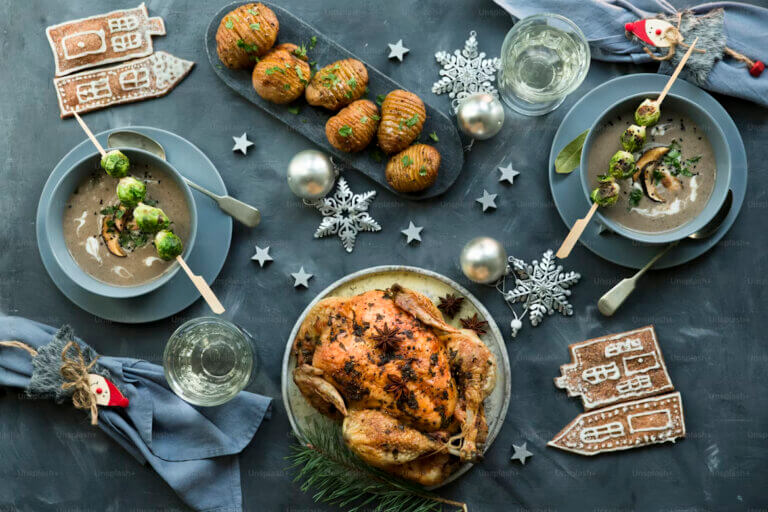
Spanish Christmas food traditions vary by region, but they share a common thread: respect for seasonality, time-honored recipes, and the belief that navidad meals are meant to be unhurried. These are not everyday dishes. They are foods tied to childhood, grandparents, and the rhythm of the holiday calendar. To understand what navidad really tastes like in Spain, you have to step into a family kitchen.
Navidad Begins in the Kitchen, Not the Dining Room
Preparation for navidad often begins days before the main celebrations. Families plan menus carefully, source the best ingredients, and return to recipes that may not have been cooked since the previous year. In many homes, the kitchen becomes a shared space where multiple generations contribute.
Broths are simmered slowly, desserts are prepared in batches, and meats are marinated or stuffed well in advance. This process is part of the celebration itself. In Spanish culture, navidad food is not about efficiency; it is about care. The time invested in cooking reflects the importance of the moment.
Nochebuena: The Most Important Meal of Navidad
For most Spanish families, the most significant meal of navidad is dinner on Nochebuena, Christmas Eve. This is when extended families come together and the table becomes the focal point of the evening.
Menus vary by region, but they are almost always abundant. Starters may include seafood such as prawns, clams, or langostinos, served simply to highlight freshness. In inland areas, soups and consommés often open the meal, providing warmth and comfort. Main dishes are typically celebratory but familiar. Roasted meats, slow-cooked fish, or traditional stews appear year after year, creating a sense of continuity that defines navidad at home.
Navidad Day: Comfort, Leftovers, and Family Time
While Nochebuena carries a sense of ceremony, Navidad Day itself is often more relaxed. Lunch is usually eaten at home with close family, and the menu tends to lean toward comfort.
Leftovers from Christmas Eve are common, but they are often transformed into new dishes. Broths may become soups, roasted meats are repurposed into croquettes, and desserts reappear throughout the day. This reuse is not seen as casual or secondary; it is a practical and cherished part of navidad food culture. The focus on Navidad Day is less about formality and more about spending time together, lingering at the table, and allowing meals to stretch into long conversations.
Traditional Savory Dishes at Spanish Navidad Tables
Although there is no single national menu, certain dishes are strongly associated with navidad across Spain. Many families serve roasted lamb, suckling pig, or stuffed poultry, depending on regional customs and family preference.
Seafood plays a central role, especially in coastal regions. Baked fish, seafood stews, and shellfish platters are common, reflecting Spain’s strong maritime heritage. In some households, dishes such as cannelloni or slow-cooked beef appear, particularly in regions influenced by historic trade and migration. What unites these dishes is their celebratory nature. They are rarely cooked outside of navidad, which gives them emotional weight and symbolic value.
The Role of Sweets in Navidad Celebrations
Desserts are where navidad truly asserts its identity. Unlike everyday sweets, Christmas desserts in Spain are deeply traditional and largely non-negotiable. Families may argue over main courses, but certain navidad sweets are considered essential.
Desserts are where navidad truly asserts its identity. Unlike everyday sweets, Christmas desserts in Spain are deeply traditional and largely non-negotiable. Families may argue over main courses, but certain navidad sweets are considered essential.
Turrón, made from almonds and honey, is the most iconic. Polvorones and mantecados, crumbly shortbread-style biscuits, are equally important and often homemade or sourced from trusted local bakeries. Mazapán, particularly popular in central Spain, appears in decorative shapes and carries strong historical roots. These sweets are not limited to a single meal. During navidad, they remain on the table throughout the season, offered to guests and enjoyed after meals with coffee or liqueur.
Navidad Drinks: What Families Really Pour
Drinks served during navidad are chosen to complement the food rather than dominate the occasion. Wine is always present, often selected with care and saved specifically for the holidays. Cava, Spain’s sparkling wine, is traditionally opened for toasts, especially at the end of the meal.
After dessert, families may serve sweet liqueurs such as anís or herbal spirits, sipped slowly as conversation continues. These drinks mark the transition from eating to storytelling, a rhythm that is central to navidad evenings.
Regional Differences in Navidad Food Traditions
One of the most fascinating aspects of navidad in Spain is how differently it is expressed from region to region. In Catalonia, escudella i carn d’olla often takes center stage, while in Galicia, seafood and fish dominate the table. Andalusian households may lean toward roasted meats and rich stews, while in the Basque Country, refined seafood preparations are common.
Despite these differences, the spirit of navidad remains consistent. Meals are family-oriented, rooted in tradition, and built around dishes that hold personal meaning rather than culinary trends.
Why Navidad Food at Home Still Matters
In a time when restaurant dining and convenience foods are increasingly common, the persistence of home-cooked navidad meals speaks to their cultural importance. These traditions survive because they are tied to identity, memory, and belonging.
For Spanish families, navidad food is a way of honoring the past while bringing everyone together in the present. Recipes are repeated not out of habit, but out of respect—for those who cooked them before and for those who will remember them in years to come.
Final Thoughts: The True Taste of Navidad in Spain
The true flavor of navidad in Spain is not found in tourist menus or festive displays, but in family kitchens where time slows down and food becomes a form of care. It is tasted in broths simmered patiently, desserts unwrapped one by one, and meals that stretch late into the night.
Spanish navidad food traditions endure because they are deeply human. They remind people that celebration does not require novelty—only presence, intention, and a table shared with those who matter most.