Merluza: 5 Authentic & Essential Spanish Cooking Secrets
In Spanish coastal cuisine, merluza holds a respected position as one of the most versatile white fish available. Its mild flavor, flaky texture, and adaptability to different preparations make it a staple in both home kitchens and traditional seafood restaurants.
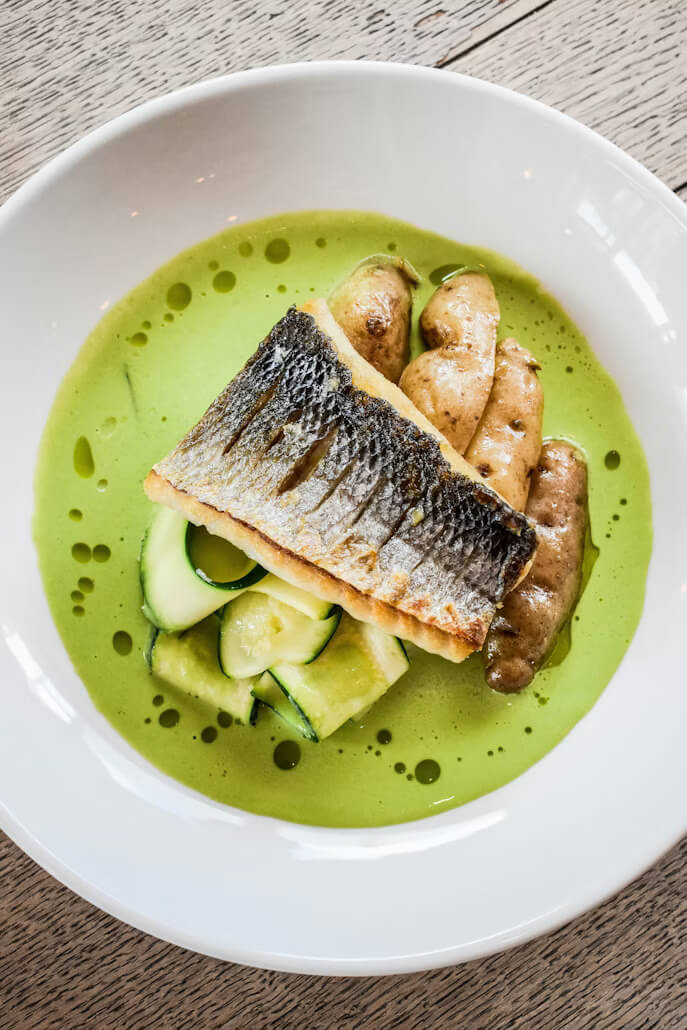
Cooking merluza the traditional Spanish way is not about complexity. It is about respecting the fish’s delicate structure, using simple ingredients, and applying techniques that enhance rather than overpower its natural character. From northern coastal towns to inland markets, merluza appears in classic dishes that reflect regional identity and culinary heritage.
Understanding Merluza Before Cooking
Merluza refers to hake, a white fish commonly caught in Atlantic waters near Spain and Portugal. It has :
- Soft, flaky flesh
- Mild ocean flavor
- Low fat content
- Quick cooking time
Because the fish is lean, it can dry out easily if overcooked. Traditional Spanish methods focus on moisture retention and gentle heat control. Freshness plays a major role. High-quality merluza should smell clean, not overly fishy, and have firm flesh that springs back when touched.
The Most Traditional Preparation: Merluza a la Gallega
One of the most iconic ways to cook merluza is in the style of Galicia. In this preparation, the fish is gently boiled or poached and served with boiled potatoes, paprika, olive oil, and sometimes a touch of garlic.
The process highlights simplicity:
The merluza is cooked in lightly salted water or a light broth until just done. Meanwhile, potatoes are boiled separately. Once plated, olive oil is drizzled over the fish and potatoes, and sweet or smoked paprika is sprinkled on top. The result is clean flavor with subtle warmth from the paprika and richness from the oil. This dish is common in northern Spain, especially in coastal communities where fresh fish arrives daily from the Atlantic.
Key Technique: Poaching Merluza Properly
Poaching is one of the safest traditional methods for cooking merluza.
The steps involve:
- Heating water or light stock with salt
- Adding aromatics such as bay leaf or garlic (optional)
- Gently submerging the fish
- Cooking at low simmer rather than boiling
Strong boiling water breaks apart the delicate flesh. Gentle heat ensures even cooking and prevents the fish from becoming rubbery. Timing is essential — merluza typically cooks within minutes depending on thickness. Once the flesh turns opaque and flakes easily, it is ready.
Merluza in Sauce: A Popular Traditional Approach
Another classic method involves cooking merluza in a light sauce.
Common Spanish sauces include:
- Green sauce made with parsley, garlic, and white wine
- Seafood broth reductions
- Tomato-based sauces with peppers
In these preparations, the fish is simmered gently inside the sauce so it absorbs flavor while maintaining its structure. For example, in many coastal kitchens, merluza is cooked with clams or mussels in a light white wine sauce. The seafood juices enrich the liquid, creating depth without overwhelming the fish. The key principle remains consistent — low heat and controlled cooking.
Pan-Seared Merluza with Olive Oil
Some traditional households prefer lightly pan-searing merluza rather than boiling it.
The technique involves:
- Drying the fish thoroughly
- Seasoning with salt
- Heating high-quality olive oil in a pan
- Searing the fish briefly on each side
The goal is to create a light golden crust while keeping the interior tender. Because merluza contains little fat, excessive heat or long cooking times can cause dryness. Quick searing preserves moisture and enhances texture. In regions like Madrid, this simple preparation often appears in traditional taverns served with vegetables or potatoes.
Common Mistakes When Cooking Merluza
Despite its simplicity, several errors frequently occur. Overcooking is the most common issue. Because merluza is lean, even a few extra minutes under heat can dry it out.
Another mistake is using overly strong seasoning. Heavy spices or intense marinades mask the natural flavor rather than enhancing it. Finally, cooking at high boiling temperatures instead of gentle simmering damages texture. Traditional methods succeed because they respect restraint.
Regional Importance of Merluza
Merluza is especially important in northern Spain, where fishing traditions remain central to culinary culture. In seafood markets across the country, fresh merluza often arrives daily from Atlantic waters. Its accessibility and versatility make it a reliable choice for both home cooks and professional chefs.
Restaurants highlight merluza as proof of ingredient quality — if the fish is fresh, even minimal preparation produces impressive results.
Final Thoughts
Learning how to cook merluza the traditional Spanish way means understanding heat control, timing, and ingredient respect.
Whether prepared as merluza a la gallega, simmered in a light sauce, or gently pan-seared, the goal remains the same — preserve its delicate structure while enhancing its subtle taste. In Spanish cuisine, merluza represents everyday seafood done right. Simple. Fresh. Balanced.