Gambas: 5 Authentic, Irresistible & Foolproof Secrets Behind Spain’s Iconic Garlic Shrimp
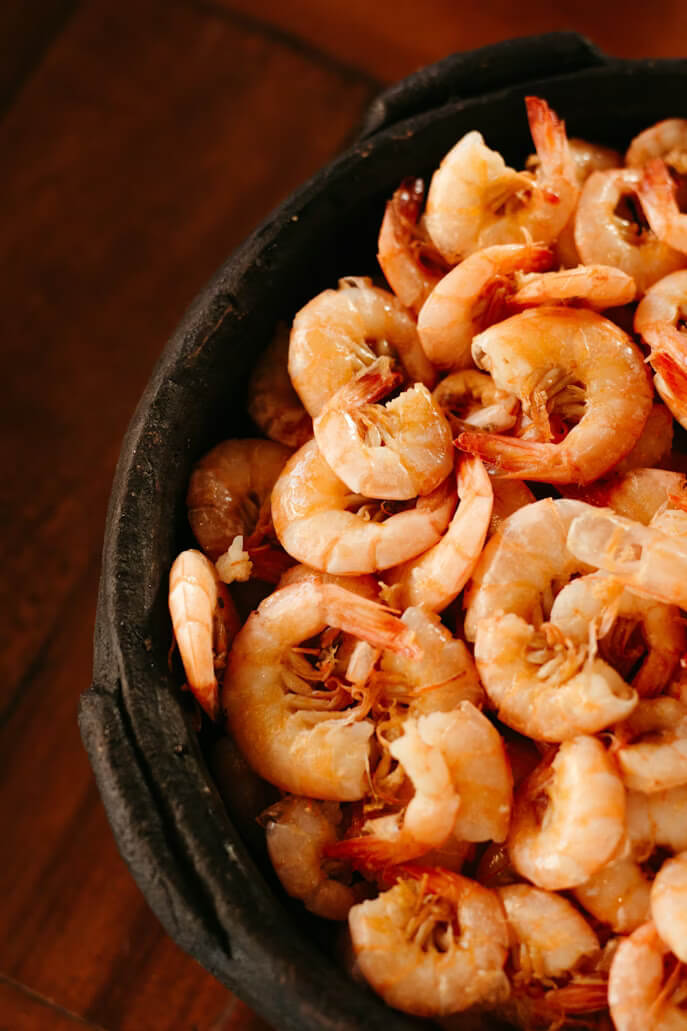
Few tapas dishes capture the essence of Spanish flavor more directly than gambas al ajillo. Simple in ingredients yet bold in execution, this dish highlights the power of high-quality shrimp, aromatic garlic, and olive oil combined over steady heat.
Found across traditional tapas bars and seafood restaurants, gambas al ajillo represents casual dining at its most flavorful. It requires no complex preparation — only precision and timing. From coastal taverns to urban eateries, it remains one of Spain’s most recognizable seafood plates.
What Is Gambas al Ajillo?
The name translates directly to “shrimp with garlic.” The concept is straightforward: shrimp are cooked in olive oil infused with sliced garlic and often a touch of chili.
Despite its simplicity, the technique defines the result.
Key components typically include:
- Fresh shrimp or prawns
- High-quality olive oil
- Thinly sliced garlic
- Dried chili or red pepper flakes
- Salt and sometimes parsley
The dish relies on gentle frying rather than boiling or heavy sauce preparation. When done correctly, the oil absorbs garlic aroma and lightly coats the shrimp, creating deep flavor without overpowering the seafood.
Why Quality Gambas Matter
Because the ingredient list is minimal, shrimp quality becomes critical. Good gambas should have:
- Firm flesh
- Clean marine aroma
- Bright shell color
- No excessive water retention
Fresh or properly thawed shrimp perform best. If shrimp contain too much moisture, they steam instead of fry, reducing flavor development. In many Spanish markets, shrimp are sold fresh with shells intact to preserve natural juices during cooking.
The Cooking Technique Behind Authentic Flavor
Traditional preparation follows a clear process:
First, olive oil is heated in a shallow pan. Garlic slices are added and gently sautéed until they release aroma and turn lightly golden — not burnt. Burnt garlic introduces bitterness, so temperature control is essential.
Next, shrimp are added quickly to the hot oil. They cook within minutes and turn pink as their proteins firm. Chili flakes or small dried peppers are often introduced during the oil infusion stage to create subtle heat.
Once the shrimp are done, the dish is typically finished with fresh parsley and sometimes a squeeze of lemon. The oil becomes a flavorful base that diners often use to soak bread.
Texture and Flavor Profile
What makes gambas al ajillo special is its contrast. The shrimp remain tender and slightly juicy. The garlic becomes aromatic and lightly crisped. The olive oil carries combined flavors and adds richness. The chili provides gentle spice without overwhelming the sweetness of the shrimp. The result is:
- Savory depth
- Balanced heat
- Subtle sweetness
- Strong garlic aroma
Why It Became a Tapas Icon
Several factors contributed to the dish’s enduring status:
- Fast preparation
- Low ingredient complexity
- Strong flavor impact
- High profitability for restaurants
- Compatibility with social dining
Tapas culture emphasizes sharing small plates while enjoying conversation. Gambas al ajillo fits that format perfectly.
Why Gambas al Ajillo Remains Relevant
In a culinary landscape that often favors innovation, this dish proves that simplicity can generate lasting appeal. It highlights:
- Ingredient respect
- Controlled heat
- Flavor concentration
- Minimal intervention
Rather than relying on elaborate sauces or heavy seasoning, it showcases seafood at its best. That authenticity keeps it popular across generations.
Final Thoughts
Gambas al ajillo embodies classic Spanish tapas philosophy — straightforward ingredients prepared with precision over heat. Its appeal lies in balance: tender shrimp, fragrant garlic, and rich olive oil combined into a dish that feels both rustic and refined.
Whether enjoyed in a traditional tavern or prepared at home, it remains one of Spain’s most iconic seafood expressions.