Charcoal Grilled Beef Ribs: 7 Proven Secrets for Incredibly Smoky, Tender Perfection
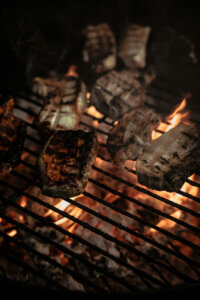
Few dishes capture the essence of live-fire cooking like charcoal grilled beef ribs. The combination of intense heat, slow fat rendering, and natural smoke transforms a tough cut of meat into something deeply flavorful and remarkably tender.
Across steakhouses, traditional parrillas, and modern grill-focused restaurants, charcoal grilled beef ribs represent technique meeting texture. When executed correctly, they deliver a crusted exterior, juicy interior, and unmistakable smoky depth. Understanding why this preparation works begins with the cut itself and the role of charcoal in building flavor.
What Are Beef Ribs and Why Do They Work So Well on Charcoal?
Beef ribs come from the rib section of the cow and typically contain significant connective tissue and intramuscular fat. These elements require controlled, prolonged heat to break down properly.
Unlike lean cuts that cook quickly, ribs benefit from slow exposure to heat. This allows collagen to convert into gelatin, which creates tenderness and moisture retention. When cooked over charcoal, the ribs gain an additional dimension: smoke infusion and surface charring. The high radiant heat of burning charcoal promotes strong caramelization, forming a crust that locks in juices while amplifying flavor.
This interaction between fat, collagen, and live fire is what makes charcoal grilled beef ribs exceptional.
Why Charcoal Makes a Difference
Charcoal does more than generate heat — it introduces combustion-driven smoke compounds that interact with the meat’s surface.
As fat drips onto hot coals, it vaporizes and rises back into the ribs as aromatic smoke. This process contributes layers of flavor that cannot be replicated in a standard oven. The key advantages include:
- Intense radiant heat for strong searing
- Natural smoke development from dripping fat
- Controlled temperature zones for slow cooking
- Distinct char marks and crust formation
Temperature management is crucial. Too much direct heat will burn the exterior before the interior softens. Proper technique uses both direct and indirect heat zones to achieve balance.
Choosing the Right Beef Ribs
Not all beef ribs are identical. The cut selection significantly influences the final result. Two common options include:
- Short ribs (bone-in or boneless)
- Back ribs
Short ribs generally contain more connective tissue and marbling, making them ideal for slow charcoal cooking. Back ribs tend to be leaner but still respond well to steady heat and smoke. When selecting ribs for charcoal grilling, look for:
- Even fat distribution
- Bright red meat color
- Thick meat coverage over the bone
- Minimal surface drying
Quality sourcing improves texture and flavor before cooking even begins.
Preparing Beef Ribs for the Grill
Preparation should enhance, not overpower, the natural flavor of the meat. Most traditional approaches to charcoal grilled beef ribs rely on simple seasoning. A basic combination often includes:
- Coarse salt
- Black pepper
- Optional garlic or paprika
Some grill masters apply a dry rub and allow the ribs to rest for several hours so the seasoning penetrates the surface. Before placing them on the grill:
- Bring ribs to room temperature
- Ensure the charcoal bed has stabilized
- Create separate heat zones for controlled cooking
This preparation stage sets the foundation for proper heat management.
The Grilling Process: Heat Control Is Everything
Successful charcoal grilled beef ribs depend on balancing direct and indirect heat. Start by searing the ribs briefly over direct charcoal heat to develop an initial crust. This activates the Maillard reaction, creating deep browned flavors.
After searing, move the ribs to an indirect heat zone. Close the grill lid to trap heat and smoke. Maintain a moderate temperature so the internal collagen gradually breaks down without drying the exterior. Cooking time varies depending on thickness, but patience is essential. Ribs are done when:
- The meat pulls back slightly from the bone
- A probe slides through with minimal resistance
- The interior reaches a tender, juicy consistency
Avoid rushing the process with excessive heat. Slow cooking yields superior texture.
Serving Suggestions
Proper presentation enhances the experience of eating charcoal grilled beef ribs. Common accompaniments include:
- Grilled vegetables
- Roasted potatoes
- Simple salads with citrus dressing
- Charred bread for absorbing juices
Red wines with structure and tannin complement the richness of the ribs. Robust varieties often pair best with the smoky profile. Serving ribs directly from the grill ensures the crust remains intact and the aroma stays concentrated.
Why Charcoal Grilled Beef Ribs Remain Popular
The appeal lies in authenticity. Cooking over charcoal connects modern diners to traditional open-fire techniques used for centuries. Unlike fast cooking methods, this approach requires attention, timing, and control. The visible flames, the smell of smoke, and the sound of sizzling fat create an immersive culinary experience.
For meat lovers, charcoal grilled beef ribs offer:
- Deep smoky flavor
- Tender texture from slow collagen breakdown
- Textural contrast between crust and interior
- Visual impact on the plate
It is both technical and sensory — which explains its enduring popularity in steak-focused kitchens.
Final Thoughts
Mastering charcoal grilled beef ribs means understanding fire behavior, fat rendering, and temperature balance. When executed correctly, the result is meat that carries bold smoke notes, caramelized edges, and a tender bite that falls off the bone without losing structure.
The simplicity of ingredients contrasts with the precision required to cook them well. For anyone exploring serious grill culture, this dish represents one of the most satisfying expressions of live-fire cooking.