Bacalao: 7 Must-Try Authentic Spanish Dishes That Will Impress You
In Spanish cuisine, bacalao is far more than salted cod — it is a culinary tradition that connects preservation techniques, regional identity, and coastal heritage. From northern seafood markets to traditional taverns in inland cities, bacalao appears in countless interpretations that reflect local ingredients and cooking styles.
For travelers exploring Spain through food, tasting the best bacalao dishes offers insight into how regions transform a preserved fish into signature plates.
Why Bacalao Became Central to Spanish Cuisine
Historically, salted cod allowed inland communities to access seafood long before refrigeration and modern logistics existed. Through careful desalination and preparation, bacalao became a reliable protein source across Spain. Over time, different regions developed their own characteristic recipes. These variations highlight local produce, cooking techniques, and flavor preferences.
Today, bacalao remains a staple on restaurant menus — especially in traditional establishments that preserve heritage cooking methods.
Bacalao al Pil Pil – A Basque Masterpiece
One of the most celebrated preparations comes from the Basque Country.
Bacalao al pil pil relies on gentle heat and constant motion to create an emulsion from the fish’s natural gelatin and olive oil. The result is a silky sauce that forms without cream or flour. The technique requires precision:
- Desalted bacalao is cooked skin-side down in olive oil
- The pan is moved in small circular motions
- Gelatin released from the fish binds with oil to form a creamy texture
The dish showcases technical skill rather than heavy seasoning. In cities like Bilbao, many traditional restaurants specialize in perfecting this preparation. Visitors often seek out local eateries known for authentic execution rather than modern reinterpretations.
Bacalao a la Vizcaína – Rich Pepper-Based Flavor
Another iconic Basque dish is bacalao a la vizcaína. In this preparation, the fish is served with a deep red sauce made from choricero peppers, onions, garlic, and olive oil. The sauce is slow-cooked to develop sweetness and depth before being combined with the cod. Unlike pil pil, which emphasizes emulsification, this version focuses on layered flavor from vegetables and spices.
The contrast between tender bacalao and the slightly sweet pepper sauce makes it one of the most recognizable regional dishes. It frequently appears on menus across northern Spain, especially in seafood-focused restaurants that honor traditional recipes.
Bacalao with Potatoes – Simple but Authentic
In many regions, particularly inland communities, bacalao is prepared in straightforward combinations with potatoes. This dish often involves:
- Poaching the fish gently
- Cooking potatoes separately
- Combining them with garlic, paprika, and olive oil
The simplicity reflects rural cooking traditions where ingredients were accessible and techniques practical. Although understated, this preparation highlights the natural flavor of properly desalted bacalao. It remains common in family-run restaurants and local taverns.
Bacalao Croquettes – Popular Tapas Version
On tapas menus throughout Spain, bacalao appears in croquette form.
These small fried bites combine shredded salted cod with béchamel sauce, shaped into portions and coated before frying. The exterior becomes golden and crisp, while the interior remains creamy and savory. Bacalao croquettes are especially popular in bars where shared plates encourage social dining.
They offer an approachable introduction to salted cod for travelers who may not yet be familiar with traditional main-course preparations.
Bacalao in Madrid Style Cooking
Although bacalao has strong coastal associations, it also plays an important role in inland cuisine.
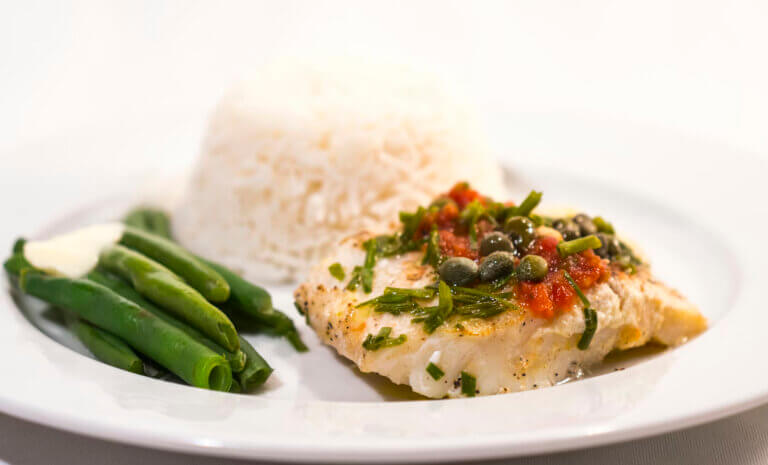
In Madrid, traditional restaurants serve bacalao in tomato-based sauces or baked preparations that reflect Castilian cooking influences. Because Madrid is not a coastal city, historical reliance on preserved fish made bacalao a valuable ingredient. Today, classic taverns still feature it prominently on their menus.
Visitors seeking authentic experiences often find that older establishments preserve recipes passed down through generations.
What Makes a Great Bacalao Dish?
Quality bacalao preparation depends on several factors:
- Fresh desalination ensures balanced seasoning. If the fish retains too much salt or becomes overly soaked, texture suffers.
- Controlled heat prevents dryness. Bacalao can become tough if cooked aggressively.
- Minimal but thoughtful seasoning allows the natural umami of the cod to remain central.
When executed correctly, the dish delivers soft flakes, subtle brininess, and harmonious sauce integration.
Why Bacalao Remains a Must-Try Dish
Bacalao represents more than preserved seafood — it reflects trade history, regional adaptation, and culinary resilience. Each variation tells a story about local ingredients and cooking philosophy. From emulsified sauces in the north to simple potato-based plates inland, the diversity of preparation demonstrates Spain’s rich gastronomic landscape.
For food travelers, tasting different bacalao dishes across regions reveals how one ingredient can evolve into multiple identities.
Final Thoughts
Exploring the best bacalao dishes in Spain means experiencing tradition through flavor and technique.
Whether enjoying bacalao al pil pil in the Basque Country, savoring bacalao a la vizcaína, or sampling tapas-style croquettes, each preparation offers insight into regional culinary culture. Authentic restaurants that respect time-honored methods remain the best places to appreciate this iconic ingredient.