Pluma Ibérica: 7 Powerful Reasons It’s Spain’s Ultimate Pork Cut
Among premium Spanish pork cuts, pluma ibérica stands out for its balance of marbling, tenderness, and depth of flavor. It is not the most widely known cut outside Spain, yet within Iberian gastronomy it holds a respected position among chefs and traditional grill masters.
For visitors exploring Spanish cuisine — and for locals who appreciate quality meat — tasting pluma ibérica often becomes a defining culinary moment.
What Makes Pluma Ibérica Special?
Pluma ibérica comes from the shoulder area of the Iberian pig, specifically from a small muscle located near the loin. The cut is relatively thin and triangular in shape, which contributes to its name — “pluma,” meaning feather.
Iberian pigs are typically raised in dehesa landscapes and often fed on acorns during the montanera season. This diet significantly influences fat composition and flavor development. The intramuscular fat in pluma ibérica is finely distributed, creating natural marbling that melts during cooking.
Unlike lean commercial pork, this cut offers:
- Rich umami depth
- Soft, buttery texture
- Balanced fat-to-meat ratio
- Subtle uttiness from the pig’s diet
The quality of the breed and feeding process directly shapes the final experience.
Texture: Why It Feels Different From Other Pork Cuts
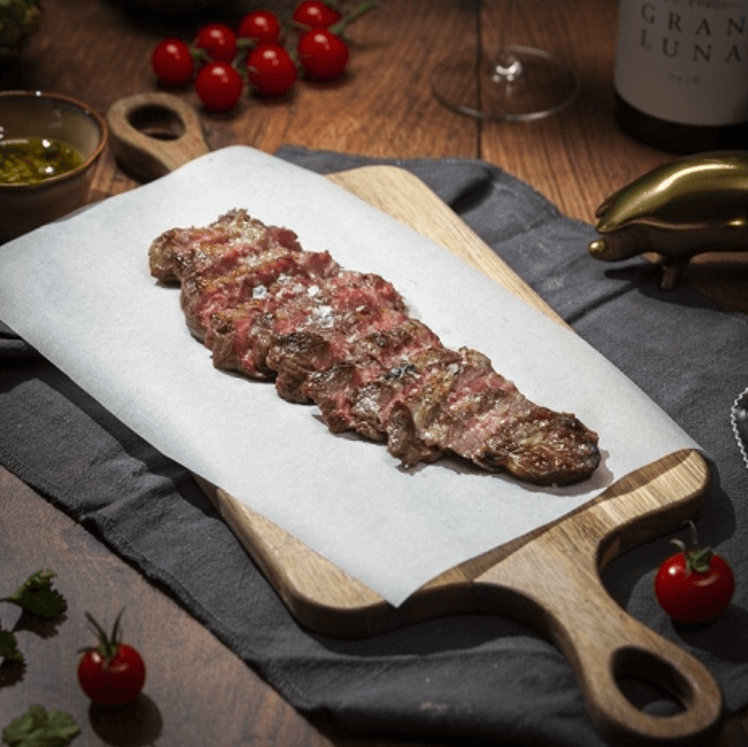
When cooked properly, pluma ibérica achieves a texture that sits between steak and tender roast pork. The marbling renders slowly under moderate heat, creating juiciness without heaviness. Because the muscle fibers are not heavily worked, the cut remains naturally tender.
High heat sears the exterior and locks in juices, while internal fat melts and bastes the meat from within. The result is a crisp outer layer and a soft interior that slices cleanly. For meat lovers, this contrast is what makes the dish memorable.
The Best Way to Cook Pluma Ibérica
Traditional preparation emphasizes simplicity. The goal is to enhance the natural flavor rather than overpower it.
Most Spanish kitchens cook pluma ibérica on a hot grill or in a heavy skillet with minimal additions — usually just salt and occasionally a drizzle of olive oil. Key principles include:
- Bring the meat to room temperature before cooking
- Sear quickly over high heat to create a golden crust
- Reduce heat to finish cooking gently
- Avoid overcooking — medium to medium-rare preserves juiciness
- Allow the meat to rest before slicing
Resting is crucial because it redistributes internal juices and prevents moisture loss when cutting. Many chefs finish the dish with coarse sea salt flakes to enhance flavor without masking the natural taste.
Flavor Profile: What to Expect
The first bite of pluma ibérica delivers a combination of savory depth and subtle sweetness.
The fat melts gently, carrying flavor across the palate. There is a nutty undertone often attributed to the acorn-based diet of premium Iberian pigs. The finish is smooth rather than greasy. Unlike heavily marinated meats, this cut allows the quality of the animal and the cooking technique to define the outcome.
For those who appreciate clean yet intense meat flavors, it is an exceptional experience.
Why Meat Lovers Appreciate Pluma Ibérica
Several qualities make pluma ibérica particularly appealing to dedicated carnivores:
- It offers premium texture without being overly heavy
- It showcases authentic Iberian breeding traditions
- It requires minimal preparation to shine
- It adapts well to grilling, pan-searing, or charcoal cooking
Its versatility also makes it suitable for both casual dining and fine dining contexts. Because the cut is smaller and less common than standard pork chops, it often feels exclusive — adding to its appeal.
Pluma Ibérica and Spanish Culinary Identity
Iberian pork plays a central role in Spanish food culture. From cured jamón to grilled cuts like pluma, the pig is utilized comprehensively and respectfully. The popularity of pluma ibérica reflects Spain’s commitment to maximizing quality from heritage livestock breeds. It demonstrates how traditional farming practices and modern culinary execution intersect.
In regions where Iberian pigs are raised, the cut symbolizes agricultural tradition and gastronomic pride.
Final Thoughts
For anyone exploring premium Spanish meat, pluma ibérica is a cut that deserves attention. Its combination of marbling, tenderness, and flavor depth sets it apart from standard pork preparations. Cooked with restraint and served simply, it highlights the excellence of Iberian pig farming and traditional grilling techniques.
Whether experienced in a local grill house or prepared carefully at home, pluma ibérica offers a refined yet robust meat experience that resonates with true food lovers.