Chipirones: 7 Essential Reasons They’re Spain’s Irresistible Seafood Favorite
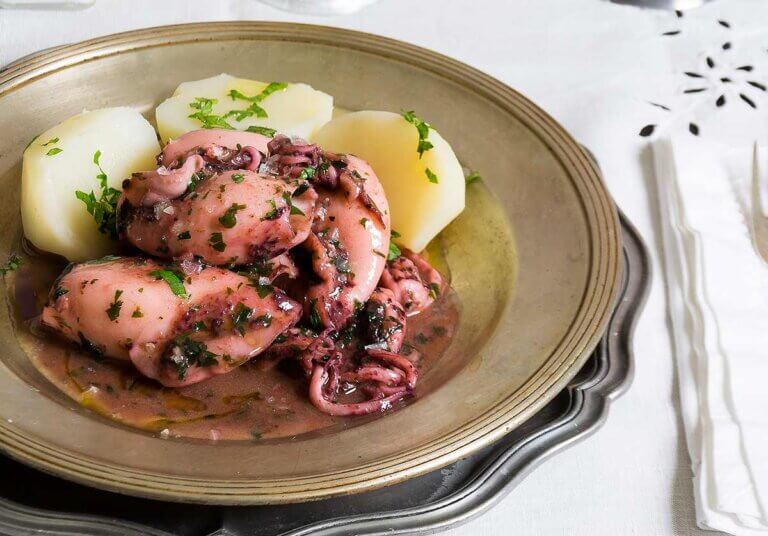
In Spanish seafood culture, few ingredients appear as frequently on tapas menus as chipirones. These small squid are prized for their tender texture, subtle sweetness, and versatility in the kitchen. Whether grilled, stuffed, or lightly fried, chipirones represent a refined yet approachable expression of coastal cooking.
Across seaside cities and traditional taverns — including places like Barcelona — chipirones remain a staple that bridges everyday dining and elevated gastronomy. Understanding why they hold such importance requires looking at what they are, how they differ from larger squid, and why preparation technique matters.
What Exactly Are Chipirones?
Chipirones are small squid, typically harvested at a young stage before reaching full size. Their reduced dimensions distinguish them from larger squid varieties commonly used for rings or stuffed preparations.
Because they are younger and smaller:
- The flesh is naturally more tender
- The flavor is slightly sweeter
- The texture responds well to quick cooking methods
In Spanish markets, chipirones are often sold whole with cleaned interiors, ready for grilling or frying. Their size makes them ideal for tapas-style portions. The key advantage lies in balance — they cook quickly without losing moisture when handled correctly.
Why Size Matters in Seafood Cooking
The physical structure of squid changes as it grows. Larger squid develop thicker muscle fibers and stronger connective tissue, which can make them tougher if not cooked properly.
Chipirones, by contrast, have:
- Thin, delicate muscle walls
- Less developed tissue structure
- Faster heat penetration during cooking
This allows chefs to expose them briefly to high heat without creating chewiness. The small size also encourages even seasoning distribution and consistent texture throughout the dish.
Flavor Profile: Subtle Yet Distinct
Chipirones do not overpower the palate with strong marine intensity. Instead, they deliver a clean seafood taste with gentle sweetness and light brininess. When cooked over charcoal or a hot grill, natural sugars on the surface caramelize slightly, enhancing flavor depth. If fried, they absorb seasoning and oil in a way that adds richness without heaviness.
The beauty of chipirones lies in restraint. Minimal seasoning often produces the best results. Common flavor additions include:
- Fresh lemon juice
- Garlic
- Parsley
- High-quality olive oil
These simple ingredients complement rather than mask the seafood character.
Popular Ways to Cook Chipirones
Chipirones a la Plancha
One of the most traditional preparations involves grilling chipirones on a hot surface with minimal oil. The cooking process is fast. The goal is to:
- Sear the exterior
- Create light grill marks
- Preserve internal moisture
Overcooking leads to rubbery texture, so timing is critical. When executed properly, the result is tender squid with subtle smoky notes.
Fried Chipirones
Another popular version involves light frying. The chipirones are often dusted with flour or a thin batter before being submerged briefly in hot oil. The coating creates a crisp outer layer while protecting the delicate interior. Fried chipirones are frequently served as tapas, paired with:
- Aioli
- Lemon wedges
- Cold beer or crisp white wine
The crunch contrasts beautifully with the soft interior.
Stuffed Chipirones
Some traditional recipes fill chipirones with mixtures such as:
- Their own tentacles chopped with garlic and herbs
- Rice or vegetables
- Minced seafood or pork
After stuffing, they are gently simmered in sauce or baked. This method transforms chipirones into a more substantial dish while preserving their tender structure.
Cooking Mistakes to Avoid
Despite their simplicity, chipirones can become tough if handled incorrectly. Common mistakes include:
- Overcrowding the pan
- Cooking at excessively low heat
- Overexposing them to heat for too long
- Skipping proper drying before grilling
Moisture control is essential for achieving proper searing. Patting them dry before cooking helps prevent steaming instead of grilling. Timing often determines success more than complex technique.
The Cooking Technique Behind Authentic Flavor
Chipirones maintain popularity because they offer:
- Quick cooking time
- High versatility
- Strong presence on tapas menus
- Affordable luxury compared to larger seafood cuts
They showcase the principle that small ingredients, when treated carefully, deliver impactful flavor. Their adaptability makes them suitable for both home cooks and professional chefs.
Final Thoughts
Chipirones represent a cornerstone of Spanish seafood cuisine. Their small size, tender texture, and adaptability allow them to shine in grilled, fried, or stuffed preparations. Whether enjoyed in a seaside restaurant or prepared at home with olive oil and lemon, chipirones demonstrate how simplicity and freshness create memorable dishes.
In coastal dining culture — particularly in cities like Barcelona — they remain a reliable favorite for locals and visitors alike.