Albondigas: 7 Irresistible & Authentic Ways Spaniards Enjoy These Flavorful Meatballs
Spanish cuisine is full of comforting, flavor-packed dishes that tell stories of tradition, culture, and family kitchens. Among them, albondigas stand out as one of the most beloved staples of Spanish gastronomy. These tender, savory meatballs appear everywhere in Spain—from cozy neighborhood taverns to elegant tapas restaurants—and each region has its own twist on the classic recipe. Whether served simmering in rich tomato sauce, tucked into tapas menus, or enjoyed at Sunday family meals, albondigas perfectly capture the warmth and soul of Spanish cooking. If you’ve ever explored tapas culture or dined in a traditional Spanish restaurant, chances are you’ve encountered a plate of steaming albondigas.
But what makes this humble dish so special? The answer lies in the many authentic ways Spaniards prepare and enjoy it. Let’s explore seven traditional ways albondigas are enjoyed across Spain, and why these flavorful meatballs continue to win the hearts of food lovers around the world.
The Origins of Albondigas in Spanish Cuisine
Before diving into the different styles, it’s worth understanding where albondigas come from. The word itself comes from the Arabic “al-bunduq,” meaning “little round thing,” reflecting the strong culinary influence that Moorish culture had on Spanish gastronomy centuries ago. Over time, Spanish cooks adapted the dish to local ingredients and tastes. Today, albondigas are typically made from a mixture of minced beef and pork, seasoned with garlic, parsley, breadcrumbs, and eggs. The meatballs are lightly fried and then simmered in sauce, allowing them to absorb rich flavors.
What makes albondigas especially fascinating is that they can be found across Spain in countless variations—from rustic home cooking to refined tapas plates.
1. Albondigas en Salsa de Tomate – The Classic Favorite
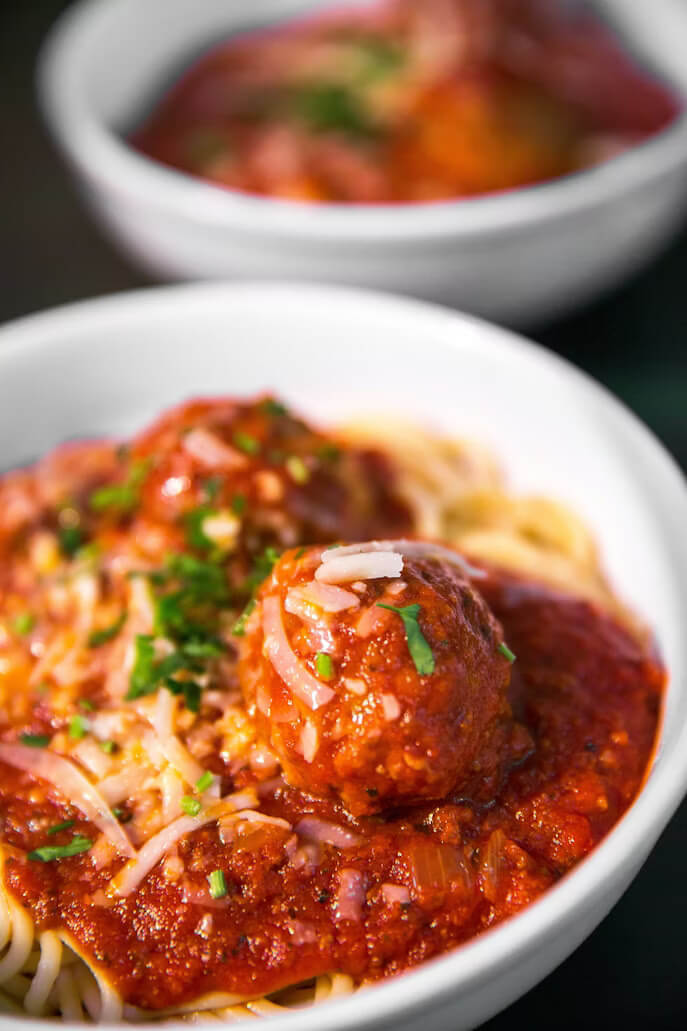
One of the most common ways Spaniards enjoy albondigas is in a rich tomato sauce. Known as albondigas en salsa de tomate, this version is a staple in many Spanish homes and tapas bars.
The meatballs are first browned in olive oil and then gently simmered in a sauce made with tomatoes, onions, garlic, and sometimes a splash of red wine. As the sauce reduces, it becomes thick, savory, and deeply comforting. The meatballs are first browned in olive oil and then gently simmered in a sauce made with tomatoes, onions, garlic, and sometimes a splash of red wine. As the sauce reduces, it becomes thick, savory, and deeply comforting.
2. Albondigas en Salsa Española – A Rich and Savory Classic
Another authentic preparation is albondigas en salsa española, where the meatballs are served in a darker, more savory sauce made from beef stock, onions, and sometimes sherry. This style of albondigas is common in traditional Spanish restaurants and offers a deeper, more robust flavor profile compared to tomato-based versions.
The sauce coats each meatball beautifully, creating a hearty dish that feels both rustic and elegant.
3. Albondigas as a Tapas Favorite
If you visit a tapas bar anywhere in Spain, you’ll likely see albondigas listed on the menu. As tapas, the meatballs are served in small portions, usually in sauce, allowing diners to enjoy them alongside other classic Spanish bites. Tapas-style albondigas are especially popular in lively food cities like Barcelona and Madrid. They’re often paired with olives, patatas bravas, or jamón while friends share plates over drinks.
This social dining style perfectly reflects Spain’s love for communal meals and relaxed gatherings.
4. Albondigas in Homemade Family Recipes
For many Spaniards, albondigas are deeply tied to childhood memories and family traditions. Almost every household has its own recipe passed down through generations. Some families add grated onion to the meat mixture for extra moisture, while others include paprika or nutmeg for subtle warmth. These small variations create unique versions of albondigas that reflect personal tastes and regional influences.
Sunday lunches featuring homemade albondigas are still common across Spain, bringing families together around comforting, familiar flavors.
5. Albondigas with Regional Twists
Spain’s regional diversity also shapes how albondigas are prepared. Different areas incorporate local ingredients or cooking styles that give the dish a distinct character.
For example, some coastal regions prepare albondigas with seafood elements, while other regions might include almonds or saffron in the sauce for a richer flavor profile. These regional variations highlight the adaptability of albondigas, proving that even a simple dish can evolve in fascinating ways across the country.
6. Albondigas Paired with Spanish Wines
Food in Spain is rarely enjoyed without a good drink, and albondigas pair wonderfully with Spanish wines. A glass of Tempranillo or Rioja complements the savory richness of the meatballs, while lighter reds work beautifully with tomato-based sauces. In tapas bars, you’ll often see diners enjoying albondigas alongside a small glass of wine or vermouth.
The combination enhances the flavors of the dish and transforms a simple plate of albondigas into a full culinary experience.
7. Albondigas in Modern Spanish Restaurants
While albondigas are deeply rooted in tradition, many modern chefs are reimagining the dish with creative techniques and presentation. Some restaurants experiment with gourmet sauces, alternative meats, or refined plating styles. Despite these innovations, the essence of albondigas remains the same—tender meatballs bursting with flavor and comfort.
This blend of tradition and creativity ensures that albondigas continue to evolve while staying true to their cultural roots.
Why Albondigas Remain a Spanish Culinary Icon
There’s a reason albondigas have stood the test of time in Spanish cuisine. They are simple yet deeply flavorful, versatile yet comforting, and adaptable to countless cooking styles.
Whether served in a rustic tomato sauce, enjoyed as tapas, or prepared in family kitchens, albondigas represent the heart of Spanish food culture. They bring people together around the table and celebrate the joy of sharing good food.
For visitors exploring Spanish gastronomy, tasting authentic albondigas is an essential experience. Each bite tells a story of history, tradition, and the rich culinary heritage that makes Spain one of the world’s most exciting food destinations.
Final Thoughts
From traditional home kitchens to bustling tapas bars, albondigas remain one of Spain’s most cherished dishes. Their rich flavors, comforting textures, and cultural significance make them far more than just meatballs—they are a symbol of Spanish culinary identity. Whether you’re discovering albondigas for the first time or revisiting a beloved classic, these flavorful meatballs offer a delicious glimpse into the soul of Spanish cuisine.
And if you ever find yourself exploring the vibrant food scene of Barcelona, don’t miss the chance to try authentic albondigas in a traditional tapas setting. It’s one of the most satisfying ways to experience the warmth and flavor of Spain’s culinary traditions.