Chuletón de Ávila: 5 Powerful Reasons This Legendary Steak Defines Spanish Culinary Pride
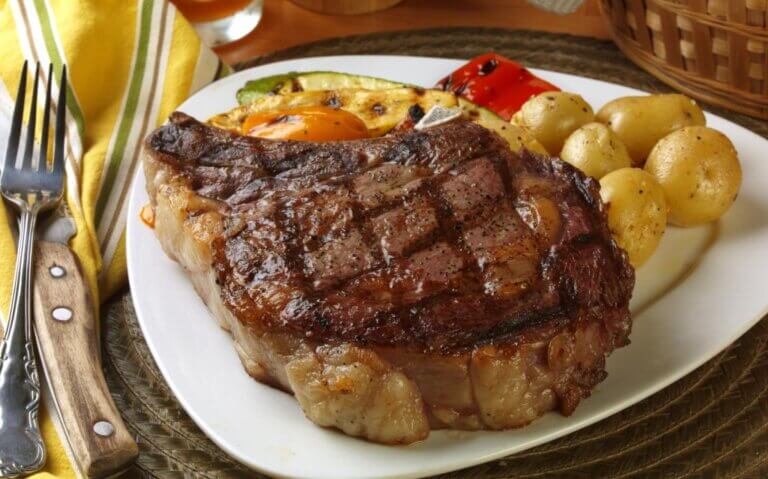
Spain is home to many iconic culinary treasures, but few dishes evoke the country’s gastronomic heritage quite like the chuletón de Ávila. Hailing from the province of Ávila, this legendary beef cut is more than just a steak—it is a symbol of tradition, quality, and Spanish culinary pride. Its reputation is built on centuries of careful breeding, traditional farming practices, and meticulous preparation that has made it famous both nationally and internationally.
Whether you are a meat lover, a culinary traveler, or simply curious about Spanish cuisine, understanding the significance of chuletón de Ávila reveals why this steak holds a special place in Spain’s gastronomic identity.
The Origins of Chuletón de Ávila
The story of chuletón de Ávila begins with the region’s rugged terrain and rich agricultural history. Ávila, located in Castile and León, is known for its high plateaus and cold winters, which contribute to the distinctive flavor and texture of local cattle.
The primary breed used for this steak is Morucha, a native Spanish cattle known for its resilience and high-quality meat. Farmers in Ávila have carefully preserved this breed for generations, maintaining traditional grazing methods that allow the cattle to feed on natural pastures, herbs, and grasses. This diet, combined with slow growth, gives chuletón de Ávila its tender, marbled texture and rich flavor.
What Makes Chuletón de Ávila Special
Several factors contribute to the steak’s legendary status:
- Breed and Grazing: Morucha cattle are native to the region, and their free-range lifestyle ensures flavorful, high-quality meat.
- Aging Pocess: The beef is traditionally dry-aged for 20–30 days, intensifying flavor and tenderness.
- Cut Size: A chuletón de Ávila is typically thick and bone-in, offering a hearty portion ideal for sharing.
- Marbling and Fat Distribution: The meat’s natural marbling ensures juiciness and a buttery texture when cooked properly.
These elements, combined, make chuletón de Ávila not just a meal, but a culinary experience that embodies the essence of Spanish gastronomy.
Traditional Preparation Methods
The traditional preparation of chuletón de Ávila is straightforward yet precise. In Spain, simplicity is key:
- The steak is usually seasoned only with coarse salt to highlight the natural flavor.
- It is grilled over oak or charcoal fires, a technique that imparts a subtle smokiness without overwhelming the meat.
- The goal is a perfectly seared exterior with a tender, juicy interior.
This minimalist approach respects the quality of the beef, allowing the flavors of the Morucha breed to shine. In restaurants across Ávila and cities like Madrid, chefs emphasize patience and precise timing to ensure an unforgettable dining experience.
Cultural Significance
Beyond its taste, chuletón de Ávila holds deep cultural value. In Spain, sharing a chuletón is more than a meal—it is a celebration of community, family, and tradition.
- It is often enjoyed during festive occasions, local fairs, and family gatherings.
- Restaurants in Ávila frequently serve the steak in communal settings, where diners savor it alongside roasted peppers, rustic bread, and a robust Spanish wine.
- The steak has become a symbol of regional pride, representing Ávila’s agricultural heritage and culinary expertise.
This cultural connection elevates chuletón de Ávila from a simple dish to a point of identity for locals and a must-try for visitors.
Pairing Chuletón de Ávila
To fully appreciate chuletón de Ávila, pairing it with the right accompaniments is essential:
- Red Wine: Bold Spanish reds, such as Ribera del Duero or Rioja, complement the meat’s richness.
- Sides: Grilled vegetables, roasted potatoes, or pimientos de padrón are traditional accompaniments.
- Simplicity: Minimal seasoning and high-quality olive oil preserve the steak’s natural flavor.
The combination of meat, wine, and simple sides creates a quintessential Spanish dining experience that highlights regional flavors.
Why Chuletón de Ávila Represents Spanish Culinary Pride
Chuletón de Ávila is emblematic of Spain’s dedication to quality, tradition, and culinary authenticity. Its reputation stems from a deep respect for ingredients, artisanal techniques, and the local environment. Every bite tells a story: of centuries-old farming practices, regional identity, and the art of cooking meat to perfection.
For locals, it is a source of pride; for travelers, it is an unforgettable gastronomic experience. The steak embodies everything that makes Spanish cuisine celebrated worldwide: simplicity, flavor, and cultural heritage.
Final Thoughts
From its origin in the high plains of Ávila to tables across Spain and beyond, chuletón de Ávila is much more than a cut of beef—it is a symbol of Spanish culinary pride. Its history, preparation, and cultural significance make it a dish that transcends the ordinary, offering a true taste of Spain’s gastronomic tradition.
Whether enjoyed in a rustic tavern, a modern steakhouse, or cooked at home with care, chuletón de Ávila is a must-try for anyone seeking to experience the heart of Spanish cuisine.