Arroz y Pollo: 7 Powerful Differences Between This Comfort Classic and Paella
At first glance, arroz y pollo and paella may appear similar. Both revolve around rice, both often include protein, and both are deeply rooted in Spanish culinary tradition. However, the distinction between them lies in origin, structure, ingredients, and technique.
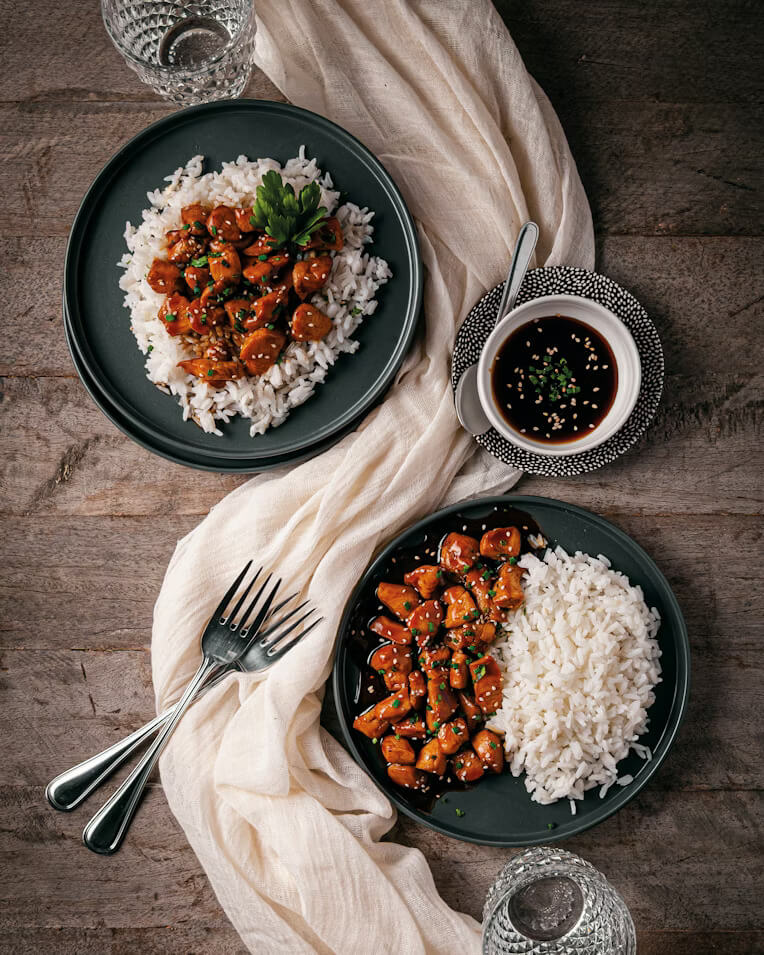
Understanding the difference is important for anyone exploring Spanish rice dishes — especially when dining in traditional restaurants where terminology reflects authenticity. While paella is internationally recognized, arroz y pollo represents a broader, more flexible home-style preparation that emphasizes simplicity and regional adaptation.
Origins and Cultural Context
Paella originates from the Valencia region on Spain’s eastern coast. It developed as a communal dish cooked over open fire, traditionally using local ingredients such as rabbit, chicken, beans, and sometimes seafood.
Its identity is strongly tied to the specific pan used — the wide, shallow paellera — and to its regional heritage. Arroz y pollo, on the other hand, translates directly to “rice and chicken.” It is less defined by a specific region and more by method. It appears in home kitchens and local eateries across Spain and Latin America as a practical and comforting meal. Where paella has strict traditional associations, arroz y pollo allows greater flexibility.
Key Ingredient Differences
Although both dishes may contain rice and chicken, ingredient composition often differs.
Paella typically includes:
- Short-grain rice
- Saffron
- Proteins such as chicken, rabbit, or seafood
- Green beans or other regional vegetables
- Smoked paprika
- Olive oil
The ingredient list reflects a structured recipe tied to Valencian tradition.
Arroz y pollo usually includes:
- Rice
- Chicken pieces
- Sofrito (tomato, onion, garlic base)
- Broth
- Simple vegetables or spices
It often excludes saffron and specialty regional ingredients unless adapted by the cook. The flavor profile of arroz y pollo tends to focus more on chicken broth richness and tomato-based depth, whereas paella emphasizes saffron aroma and layered components.
Cooking Technique: Pan Structure vs Pot Simplicity
One major distinction lies in cooking equipment. Paella is traditionally prepared in a wide, shallow pan over open flame. The pan shape promotes even rice distribution and the formation of “socarrat” — the crispy caramelized layer at the bottom of the dish.
That crispy layer is considered a hallmark of authentic paella. Arroz y pollo is frequently cooked in a standard pot or deep skillet. While some cooks use wide pans, the dish does not require the specialized paella pan. Because it is often prepared as a one-pot meal, it prioritizes convenience over achieving a crusted bottom layer. The presence of socarrat usually signals paella rather than arroz y pollo.
Flavor Profile Comparison
Paella offers complexity built around saffron, seafood stock, and multiple proteins depending on variation. Its flavor layers are distinct yet harmonious. Arroz y pollo delivers a comforting and cohesive taste. The chicken infuses the rice with savory richness, while the sofrito creates a balanced base.
In terms of intensity:
- Paella often feels more aromatic and ingredient-diverse
- Arroz y pollo feels homier and broth-forward
Both are satisfying, but they evoke slightly different dining experiences.
Regional Interpretations
In regions like Valencia, paella remains a cultural symbol deeply connected to local identity. Authentic preparation in Valencia follows strict traditional guidelines that protect its heritage.
Arroz y pollo, however, appears across Spain in varied forms. Some versions include peppers, olives, or additional vegetables depending on household preference. Because it is adaptable, it reflects everyday cooking rather than ceremonial tradition.
When Each Dish Is Served
Paella often appears during gatherings, celebrations, or restaurant dining experiences. Its presentation in a large pan encourages sharing and social interaction. Arroz y pollo is commonly prepared as a practical family meal. It is economical, efficient, and easy to scale for larger households.
While paella may be reserved for weekend cooking or special occasions, arroz y pollo fits seamlessly into routine dining.
Common Misconceptions
Many people assume that any rice dish with chicken qualifies as paella. However, the absence of key structural elements — such as saffron, specific regional ingredients, or the use of a paellera — usually indicates that the dish is closer to arroz y pollo.
Another misconception is that arroz y pollo is simply an inferior version of paella. In reality, it represents a separate culinary category with its own identity.
Why Understanding the Difference Matters
For travelers and food enthusiasts, recognizing the distinction enhances dining awareness. Ordering paella in a restaurant expecting arroz y pollo — or vice versa — can lead to different flavor experiences. In authentic culinary settings, especially near regions like Valencia, terminology reflects tradition and technique.
Knowing the difference allows you to appreciate how Spanish rice culture evolved into multiple expressions rather than a single recipe.
Final Thoughts
Although arroz y pollo and paella share ingredients and cultural roots, they differ in identity, preparation, and presentation. Paella represents regional heritage and structured technique. Arroz y pollo represents versatility and everyday comfort.
Both remain essential parts of Spanish gastronomy — each serving its own purpose on the table.