8 Remarkable Basque Wine Styles That Make the Region Truly Unique
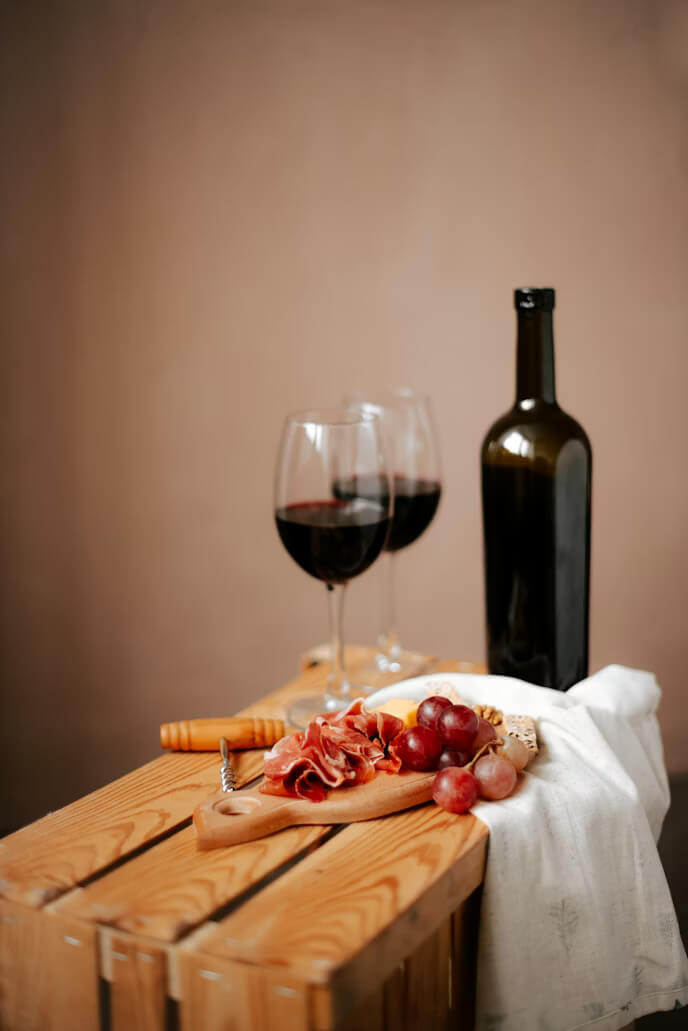
The Basque Country is a land of rugged coastlines, lush valleys, and a rich culinary heritage. Among its many treasures, Basque wine stands out as a unique expression of the region’s terroir, history, and culture. From crisp white Txakoli to elegant reds of Rioja Alavesa, Basque wines offer travelers and wine enthusiasts a taste of the area’s identity in every sip. Understanding these wines provides a deeper appreciation of Basque gastronomy and the traditions that shape this distinctive corner of Spain.
Whether you are pairing wine with pintxos, exploring vineyards, or attending a local tasting, discovering Basque wine is an essential part of any culinary journey in northern Spain.
The Landscape of Basque Wine
Basque Country’s wine regions are small but diverse, benefiting from Atlantic influences, mountainous terrain, and fertile soils. The main areas include:
- Getariako Txakolina (Getaria): Famous for its crisp, slightly sparkling white wines made from the Hondarrabi Zuri grape.
- Bizkaiko Txakolina (Bizkaia): Known for both white and some red Txakoli, offering a light, refreshing style perfect for seafood.
- Arabako Txakolina (Álava): Produces whites with more body and minerality, reflecting the inland climate.
- Rioja Alavesa: While part of the larger Rioja DOCa, this sub-region produces elegant reds with subtle oak influence, often from Tempranillo and Garnacha grapes.
This variety allows travelers to explore a spectrum of wines, from bright and zesty whites to refined, structured reds, all deeply connected to the Basque landscape.
Key Varietals of Basque Wine
The distinctiveness of Basque wine comes from its indigenous grapes:
- Hondarrabi Zuri: A white grape native to the Basque coast, producing crisp, acidic wines with green apple, citrus, and mineral notes. The slight effervescence typical of Txakoli enhances freshness and pairs beautifully with seafood.
- Hondarrabi Beltza: The red counterpart, used in small quantities to create delicate, fruity reds or rosés. Notes include red berries, subtle spice, and light tannins.
- Tempranillo: In Rioja Alavesa, this grape forms the backbone of elegant reds, often aged in oak for structure and depth.
- Garnacha and Graciano: Complement Tempranillo in blends, adding fruitiness, acidity, and aromatic complexity.
These varietals reflect the region’s maritime climate and hilly terrain, resulting in wines that are fresh, vibrant, and expressive of the Basque terroir.
Basque Winemaking Traditions
Basque winemaking balances tradition with modern techniques. Key aspects include:
- Txakoli Production: Txakoli wines are traditionally fermented at cool temperatures to preserve acidity and aromatic freshness. Light effervescence is achieved naturally through careful bottling methods.
- Minimal Intervention: Many Basque winemakers prioritize natural expression, allowing grapes to convey the characteristics of the soil and microclimate.
- Oak Aging in Rioja Alavesa: Red wines often see short to moderate oak aging to enhance structure without masking fruit and minerality.
- Harvest Practices: Hand-harvesting is common, particularly for hillside vineyards, ensuring quality and minimizing damage to delicate grapes.
These practices reflect a commitment to both quality and regional identity, making Basque wine distinctive among Spain’s wine regions.
Pairing Basque Wine with Regional Cuisine
A true Basque wine experience extends beyond the glass and into the kitchen. Pairing wines with local dishes enhances both flavors:
- Txakoli Whites: Perfect with seafood, shellfish, grilled fish, and pintxos like anchovies or cod. The wine’s acidity and slight effervescence cleanse the palate between bites.
- Hondarrabi Beltza Reds: Complement roasted vegetables, mild meats, or cured charcuterie without overpowering delicate flavors.
- Rioja Alavesa Reds: Ideal for slow-cooked meats, lamb, or richer stews such as rabo de toro, balancing depth and acidity.
These pairings highlight the synergy between Basque gastronomy and its wines, creating harmonious tasting experiences for travelers and food lovers.
Experiencing Basque Wine as a Traveler
For visitors, immersing in Basque wine culture can be both educational and memorable:
- Vineyard Tours: Explore terraces in Getaria or Rioja Alavesa to understand grape cultivation, terroir, and production techniques.
- Tasting Rooms: Sample Txakoli and Rioja Alavesa wines while learning about varietals, vinification, and local history.
- Food and Wine Pairing Experiences: Enjoy guided tastings with traditional pintxos or seafood dishes to fully appreciate flavor harmony.
- Festivals and Events: Participate in harvest festivals, wine fairs, or local celebrations to witness Basque wine culture in action.
These experiences allow travelers to connect directly with winemakers, ingredients, and culinary traditions, deepening their appreciation of Spanish gastronomy.
Why Basque Wine Stands Out
Basque wine is celebrated for its:
- Freshness and Vibrancy: Particularly in whites, with a natural minerality and light effervescence.
- Regional Identity: Reflects the unique maritime climate, hilly vineyards, and coastal influence.
- Food Compatibility: Highly versatile, pairing beautifully with seafood, pintxos, and traditional dishes.
- Cultural Heritage: Winemaking traditions in the Basque Country preserve centuries of knowledge while embracing modern techniques.
These qualities make Basque wine both accessible and sophisticated, appealing to casual wine drinkers and connoisseurs alike.
Final Thoughts: Savoring Basque Wine on Your Journey
Exploring Basque wine offers travelers a gateway into the region’s culinary identity. From crisp coastal Txakoli to structured Rioja Alavesa reds, each glass tells a story of terroir, tradition, and artisanal craftsmanship. Pairing these wines with local cuisine, visiting vineyards, and engaging with winemakers transforms a simple tasting into a culturally immersive experience.
For food lovers and wine enthusiasts, Basque wine is not just a beverage—it is a reflection of Spain’s rich gastronomy, offering flavors that are vibrant, unique, and unforgettable.