Calamari in Spain: 7 Irresistible Ways This Iconic Seafood Dish Is Served
Few ingredients are as universally loved in Spanish cuisine as calamari. Whether served as a simple tapa in a bustling bar or plated elegantly in a modern fine dining restaurant, squid has secured its place as one of Spain’s most iconic seafood staples. Its versatility, affordability, and ability to absorb Mediterranean flavors make it a cornerstone of coastal gastronomy.
Here are 7 delicious ways calamari is served in Spain, each showcasing why this humble seafood has become a national favorite.
1. Calamares a la Romana: Spain’s Most Famous Fried Calamari
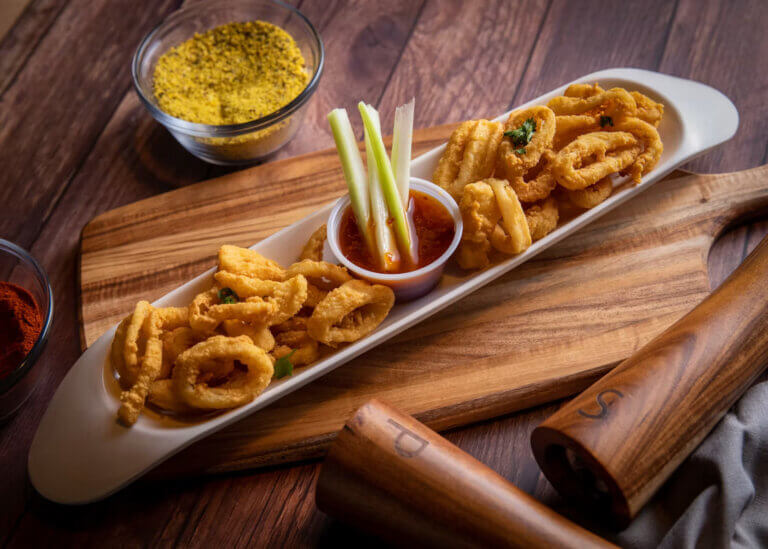
When most people think of calamari in Spain, they imagine calamares a la romana—golden, crispy rings of squid coated in a light batter and fried to perfection. This dish is a staple in tapas bars across the country, especially in Madrid and coastal cities. The key to its popularity lies in its simplicity: fresh squid, a delicate batter, and hot olive oil.
Served with lemon wedges or aioli, calamares a la romana is crunchy on the outside, tender on the inside, and deeply satisfying. It is often enjoyed alongside a cold beer or a glass of crisp white wine.
2. Calamares a la Andaluza: Southern Spain’s Crispy Variation
In Andalusia, calamari takes on a slightly different identity. Known as calamares a la andaluza, this version is lighter and often uses a finer flour coating rather than a thick batter. The result is a more delicate crispness that allows the natural flavor of the squid to shine through. This dish is especially popular in seaside towns such as Cádiz and Málaga, where seafood is a daily tradition.
This variation of calamari in Spain reflects the southern preference for simplicity and freshness in cooking.
3. Grilled Calamari: A Lighter Mediterranean Approach
For those seeking a healthier alternative, grilled calamari is a popular option in coastal restaurants across Spain. The squid is typically seasoned with olive oil, garlic, parsley, and sea salt before being quickly grilled over high heat. This method preserves the natural sweetness of the seafood while adding a subtle smoky flavor.
Grilled calamari is often served with fresh salads or roasted vegetables, making it a common choice in modern Mediterranean dining.
4. Stuffed Calamari (Calamares Rellenos): A Traditional Classic
One of the most traditional and flavorful preparations of calamari in Spain is calamares rellenos, or stuffed squid. In this dish, whole squid tubes are filled with a mixture that may include their own tentacles, minced meat, breadcrumbs, herbs, boiled egg, and spices. The squid is then slow-cooked in a tomato-based sauce or seafood broth.
The result is a rich, hearty dish that reflects Spain’s home-style coastal cooking traditions. It is especially popular in Catalonia and Valencia, where slow-cooked seafood dishes are highly valued.
5. Squid Ink Calamari: A Bold Fine Dining Favorite
In modern Spanish gastronomy, squid ink has become a signature ingredient. Calamares en su tinta features squid cooked in its own black ink sauce, creating a deep, savory flavor and dramatic presentation. This dish is often served with rice or bread to absorb the rich sauce. The ink enhances the seafood’s natural umami, resulting in a complex and slightly briny taste.
In fine dining restaurants, squid ink is also used in pasta, risottos, and contemporary plated dishes, showing how calamari in Spain continues to evolve.
6. Fried Baby Squid (Chopitos or Puntillitas)
Along Spain’s southern coast, especially in Andalusia, baby squid known as puntillitas or chopitos are a popular tapas item. These tiny squid are fried whole, creating an incredibly tender texture with a delicate crunch. Unlike larger calamari rings, these are eaten whole and are often considered more flavorful due to their freshness and size.
Served with lemon and enjoyed as a shared tapa, this version of calamari in Spain is a favorite in beachside bars.
7. Calamari in Rice Dishes and Stews
Beyond tapas, squid plays an important role in Spanish rice dishes and stews. It is commonly paired with seafood rice (arroz con calamares) or mixed into paella-style dishes. In these preparations, calamari absorbs the rich flavors of saffron, seafood stock, garlic, and paprika. The result is a deeply aromatic dish where squid contributes both texture and oceanic depth.
This style of cooking highlights the versatility of calamari in Spain, extending far beyond fried tapas culture.
Why Calamari Is So Popular in Spain
The popularity of calamari in Spain comes down to three key factors:
- Spain’s extensive coastline provides access to incredibly fresh squid year-round.
- Squid is highly versatile, adapting to frying, grilling, stuffing, and stewing.
- It fits perfectly into Spain’s tapas culture, where shared plates and social dining are central to the experience.
Whether enjoyed in a rustic bar or a Michelin-starred restaurant, calamari represents the essence of Spanish coastal cuisine.
Final Thoughts
Calamari in Spain is far more than a single dish—it is a culinary tradition that spans regions, techniques, and generations. From crispy fried rings to sophisticated squid ink creations, its versatility reflects the creativity and depth of Spanish gastronomy.
For visitors exploring Spain’s food scene, calamari is often one of the most accessible yet memorable introductions to local cuisine. Simple, flavorful, and endlessly adaptable, it remains one of the country’s most beloved seafood staples.