Carne Asada: 7 Powerful Reasons It Defines Spanish Grill Culture
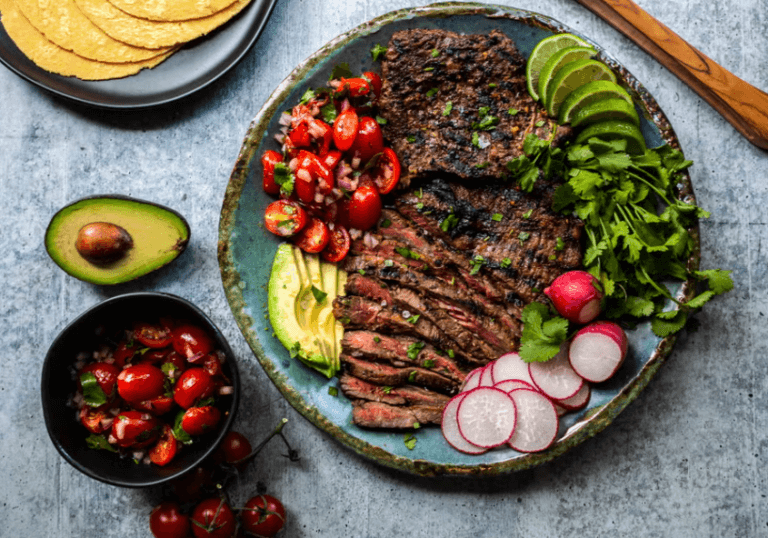
Grilling meat over open fire is deeply embedded in Spanish culinary tradition, and carne asada stands at the center of that practice. It represents more than simply grilled beef — it reflects social gathering, regional identity, and mastery of fire.
Across traditional asadores and countryside celebrations, carne asada symbolizes communal dining. The aroma of meat searing over charcoal signals more than cooking; it marks shared time around the grill. Understanding its cultural importance reveals why it remains foundational in Spanish grill culture.
What Carne Asada Means in Spain
In Spanish culinary context, carne asada translates directly to “grilled meat.” However, in practice, it usually refers to carefully selected beef cuts cooked over charcoal or wood fire with minimal seasoning.
Unlike heavily marinated barbecue traditions elsewhere, Spanish carne asada emphasizes:
- Quality meat selection
- Controlled grilling technique
- Simple seasoning such as salt and olive oil
- Focus on natural flavor
The goal is not to mask the beef but to enhance it through direct heat and proper timing.
The Role of Open Fire in Tradition
Fire has always played a central role in Spanish cooking. Before modern kitchens, meat was prepared over wood flames or glowing embers. This method remains alive today in grill-focused restaurants and rural gatherings.
Charcoal or wood fire contributes:
- Intense radiant heat
- Natural smoke infusion
- Strong surface caramelization
- Distinctive aroma
As fat drips onto hot coals, it creates smoke that rises back into the meat, reinforcing flavor depth. This interaction between fire and fat defines authentic carne asada preparation. The visible flames and glowing embers also add a theatrical dimension to the dining experience.
Preferred Cuts for Carne Asada
The quality of carne asada depends heavily on cut selection.
Popular choices include:
- Ribeye for marbling and tenderness
- Entrecot for balanced fat distribution
- Sirloin for leaner texture
- Short rib cuts for stronger flavor
Spanish grill chefs often select cuts with visible intramuscular fat because fat enhances juiciness during high-heat cooking. The marbling melts slowly, keeping the meat moist while forming a flavorful crust. Proper sourcing ensures better results than excessive seasoning ever could.
Technique: Mastering Heat and Timing
Successful carne asada requires precise heat control. The process typically involves:
- Preheating charcoal until it forms steady embers
- Placing meat on a hot grill for quick searing
- Flipping at the right moment to develop crust
- Allowing meat to rest after removal from heat
Resting is crucial because it redistributes internal juices and prevents moisture loss when slicing. Overcooking is the most common mistake. Spanish tradition often favors medium or medium-rare doneness to preserve texture and flavor. The emphasis remains on controlled exposure to heat rather than prolonged cooking.
Carne Asada in Traditional Restaurants
Many traditional grill houses emphasize authenticity through open-fire cooking. The grill is often visible from the dining area, reinforcing transparency and craftsmanship. In cities like Madrid, classic asadores maintain long-standing techniques while attracting locals and visitors seeking genuine grilled flavor.
These establishments highlight:
- High-quality beef sourcing
- Minimal intervention
- Strong charcoal presence
- Simple plating that focuses on the meat itself
Rather than elaborate presentations, the dish speaks through texture and aroma.
Why It Remains Central to Spanish Grill Identity
Carne asada endures because it embodies core values of Spanish grilling:
- Respect for high-quality meat
- Mastery of fire control
- Social dining tradition
- Minimal but precise seasoning
It does not depend on complexity. Instead, it highlights craftsmanship. Modern cooking trends may introduce new techniques, but open-fire grilling remains foundational. Carne asada preserves that connection between past and present.
Final Thoughts
Carne asada represents more than grilled beef — it reflects Spanish culture, communal dining, and technical skill over open flame. Its appeal lies in authenticity. Simple ingredients. Controlled heat. Strong flavor from natural fat and smoke.
In traditional grill houses and family gatherings alike, carne asada continues to define the essence of Spanish grill culture. For anyone exploring Spain through its food, experiencing properly prepared carne asada is essential.