Carnivorous Restaurant: 7 Powerful Reasons Meat-Focused Dining Is Thriving
A carnivorous restaurant centers its identity around meat as the primary focus of the menu. Rather than offering a broad mix of proteins and plant-based options, this concept emphasizes high-quality cuts, precise cooking techniques, and a dining experience built around beef, pork, lamb, and other animal-based products.
In many cases, the philosophy extends beyond menu structure. It reflects sourcing transparency, fire-based cooking methods, and a commitment to showcasing meat in its most refined form. As grill culture and premium steak dining continue to expand globally, carnivorous restaurants have become a clear category within modern gastronomy.
Defining the Concept
At its core, a carnivorous restaurant prioritizes:
- Meat as the main attraction
- Minimal emphasis on vegetarian dishes
- Specialized preparation techniques
- Strong sourcing standards
Unlike general restaurants that include diverse menu categories, this model concentrates resources on mastering protein quality and cooking precision. Many establishments build their brand around open-fire grilling, dry aging, or butchery expertise. The identity is usually visible immediately through menu design and kitchen layout.
What Makes It Different From a Traditional Steakhouse?
Although similar, a carnivorous restaurant often differs from a classic steakhouse in scope and philosophy.
A steakhouse typically focuses on beef cuts but may include seafood, salads, and broader side selections. Its menu structure remains somewhat balanced. A carnivorous restaurant goes further by:
- Expanding meat variety beyond beef
- Highlighting different animal cuts
- Emphasizing whole-animal utilization
- Reducing non-meat dishes to secondary status
The experience becomes immersive rather than supplementary.
Core Menu Components
Most carnivorous restaurants structure their menus around several key elements:
Premium Beef Cuts
Ribeye, sirloin, tenderloin, and specialty cuts often dominate. Some establishments showcase aged beef to enhance tenderness and flavor concentration.
Iberian Pork and Specialty Meats
In regions influenced by Spanish tradition, cuts such as pluma or secreto ibérico frequently appear. These products emphasize breed quality and fat marbling.
Lamb and Game
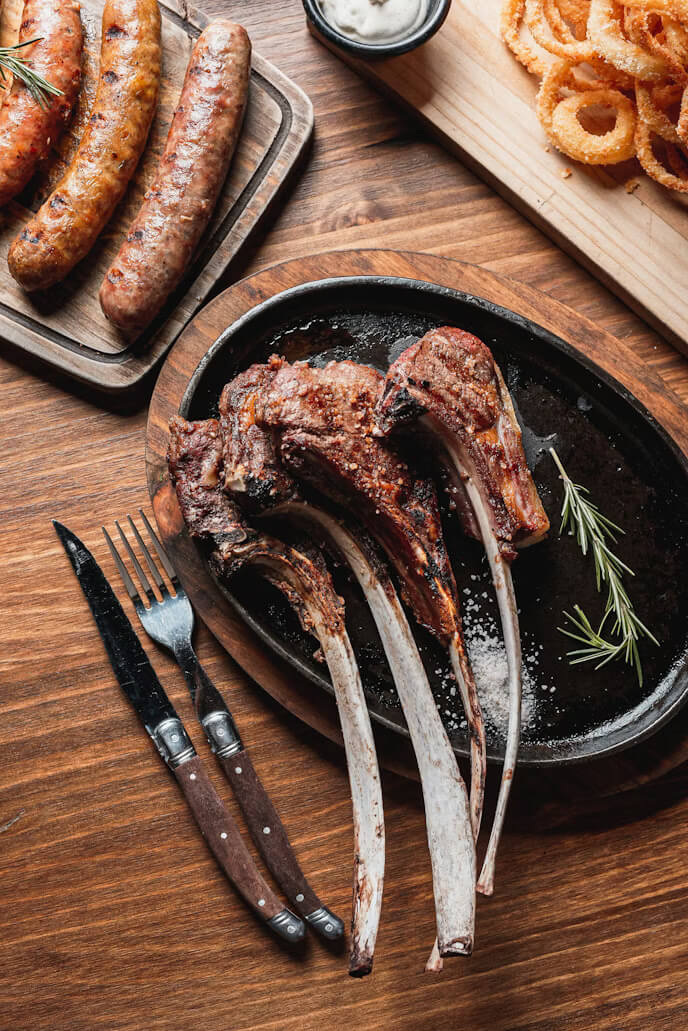
Certain restaurants incorporate lamb chops or regional game meats to diversify protein offerings while maintaining the core concept.
Open-Fire or Charcoal Grilling
Cooking over live fire is common because it enhances flavor through smoke and caramelization. The visual presence of a grill often becomes part of the restaurant’s atmosphere. The menu typically avoids dilution with complex vegetarian dishes, focusing instead on depth within meat preparation.
Why Open-Fire Cooking Is Central
Fire-based cooking defines many successful carnivorous restaurants. Charcoal or wood grilling contributes:
- Strong surface crust formation
- Natural smoke infusion
- Fat rendering that enhances aroma
- Visible cooking performance for guests
The connection between heat and meat becomes part of the dining spectacle. In cities like Madrid, open-grill concepts have gained popularity because they combine traditional technique with modern presentation. Guests often appreciate seeing chefs manage flames and control temperature in real time.
Sourcing and Quality Standards
A strong carnivorous restaurant depends heavily on sourcing transparency. Key priorities include:
- Verified breed origin
- Ethical farming practices
- Proper aging processes
- Clear cut classification
Some establishments display meat aging chambers or butcher preparation areas to reinforce credibility. Quality sourcing directly influences flavor consistency. Because the menu relies heavily on protein, any compromise in raw materials becomes immediately noticeable.
The Dining Experience
The experience inside a carnivorous restaurant usually emphasizes:
- Bold aromas from the grill
- Visible meat preparation
- Simple but refined plating
- Focused service explaining cuts and origins
Rather than overwhelming guests with complex dishes, the environment highlights craftsmanship.
Advantages of the Concept
Carnivorous restaurants benefit from several strengths:
- Specialization allows deeper expertise in meat preparation.
- Clear branding differentiates the restaurant from multi-category dining establishments.
- Operational focus simplifies ingredient management and kitchen workflow.
- Additionally, strong visual appeal — especially with open-fire cooking — enhances social media presence.
The model aligns well with culinary trends that celebrate authentic ingredient sourcing.
Final Thoughts
A carnivorous restaurant represents focused expertise in meat-centered dining. By concentrating on premium cuts, open-fire cooking, and ingredient transparency, it creates a clear and compelling experience. Its strength lies in specialization. When executed correctly, the concept transforms simple grilled meat into a refined culinary statement.
For diners who appreciate bold flavors and technical precision, this model offers a consistent and immersive experience.