Escalivada: 7 Irresistible Ways Catalonia’s Roasted Vegetable Dish Shines
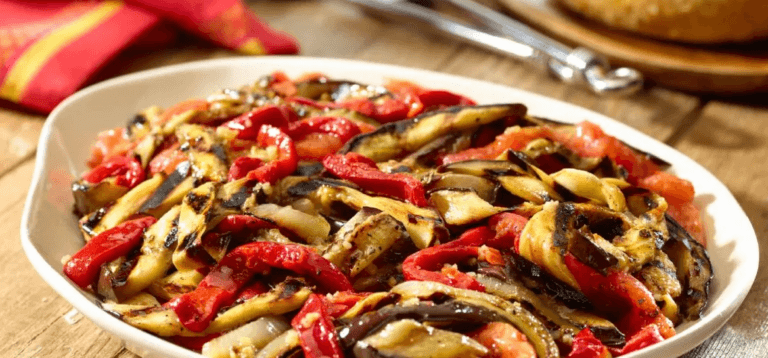
Catalonia is a region rich in culinary tradition, and few dishes capture its essence like escalivada. This humble yet flavorful roasted vegetable dish embodies the simplicity, seasonality, and authenticity that define Catalan cuisine. Unlike more complex recipes, escalivada relies on a few fresh ingredients—eggplants, red peppers, onions, tomatoes, olive oil, and salt—transformed by fire and tradition into a dish celebrated across the region. But escalivada is more than just food. It’s a reflection of Catalonia’s history, culture, and connection to the Mediterranean lifestyle. To truly appreciate this dish, it helps to explore its origins, evolution, and enduring presence in both everyday meals and festive occasions.
Origins of Escalivada
The name “escalivada” comes from the Catalan verb escalivar, meaning “to cook in embers” or “to roast over ashes.” Historically, Catalan families would roast vegetables directly on wood embers or in clay ovens, infusing them with a smoky flavor that became the dish’s signature characteristic.
This cooking method emerged from a rural, agrarian society where resources were simple, and techniques focused on maximizing natural flavors. It was a dish born out of necessity but elevated by patience, skill, and respect for seasonal produce.
Escalivada and Catalan Identity
Escalivada is closely tied to Catalonia’s cultural and culinary identity. It’s a dish that celebrates the region’s Mediterranean climate, fertile soil, and abundance of vegetables. Traditionally served in homes as a side dish or appetizer, escalivada exemplifies the Catalan philosophy of simplicity, freshness, and balance.
Over centuries, it became more than a home-cooked staple. Escalivada is now a fixture on restaurant menus, from rustic taverns to fine dining establishments in cities like Barcelona and Girona, where chefs honor tradition while experimenting with modern twists.
Key Ingredients and Their Significance
The ingredients of escalivada reflect Catalonia’s agricultural heritage:
- Eggplant (aubergine): Introduced to Spain through Mediterranean trade, it absorbs smoky flavors beautifully.
- Red peppers: Roasted to caramelized perfection, adding sweetness and depth.
- Onions and tomatoes: Local produce that forms the backbone of Catalan cuisine.
- Olive oil: A staple of the Mediterranean diet, adding richness and enhancing flavor.
Each vegetable is chosen not only for its taste but also for its availability and seasonality. Traditionally, escalivada is a summer dish, highlighting the peak flavors of freshly harvested produce.
Escalivada Through the Ages
While the basic ingredients have remained consistent, escalivada has evolved in subtle ways:
- Home Cooking: Originally prepared over open flames in rural households, often served alongside grilled fish, cured meats, or rustic bread.
- Urban Adaptation: In cities, ovens replaced embers, allowing for more precise roasting while maintaining the smoky essence.
- Modern Cuisine: Contemporary chefs experiment with variations, adding anchovies, tuna, or marinated olives, while keeping the dish’s soul intact.
Despite these adaptations, the essence of escalivada—simple roasted vegetables enhanced by high-quality olive oil—remains unchanged.
Escalivada in Catalan Festivals and Traditions
Escalivada is not only a daily dish but also part of Catalan culinary celebrations. It often appears in family gatherings, holiday meals, and local festivals, serving as a symbol of hospitality and regional pride.
In many towns, it is paired with botifarra or grilled meats, reflecting Catalonia’s love for communal dining and shared meals. Its presence at celebrations underscores how food in Catalonia is intertwined with culture, memory, and social connection.
Why Escalivada Endures
The enduring popularity of escalivada lies in its versatility and timeless appeal. It can be served warm or cold, as a side dish, tapa, or even a main course when combined with grains or protein. Its smoky flavor, simplicity, and reliance on seasonal ingredients resonate with both traditionalists and modern food enthusiasts.
Moreover, escalivada embodies the Mediterranean philosophy of enjoying fresh, local ingredients in their purest form, a principle that continues to inspire chefs and home cooks alike.
Experiencing Escalivada Today eading Text Here
For visitors to Catalonia, tasting escalivada offers a glimpse into the region’s culinary soul. Restaurants in Tarragona, Lleida, and Barcelona serve it as a tapa, side, or centerpiece, often paired with local wines or cured meats.
At home, the traditional approach—roasting vegetables over an open flame or in a broiler—remains the gold standard for capturing authentic flavors. Whether enjoyed in a rustic kitchen or a modern dining room, escalivada connects diners with centuries of Catalan culinary tradition.
Final Thoughts
Escalivada is more than roasted vegetables; it’s a story of Catalonia itself. From its origins over embers in rural villages to modern interpretations on gourmet menus, this dish embodies simplicity, authenticity, and the flavors of the Mediterranean.
Understanding escalivada means appreciating Catalan history, culture, and gastronomy. Every bite tells a story of tradition, resourcefulness, and the enduring love for fresh, local ingredients. For anyone exploring Spanish cuisine, escalivada is an essential dish that captures the spirit of Catalonia in the most delicious way possible.