Fine Dining Etiquette: 7 Essential Rules Every First-Time Guest Must Know for a Luxury Experience
Fine dining is not just about eating at an expensive restaurant—it is a structured culinary experience built on precision, timing, service etiquette, and attention to detail. For first-time guests, the environment can feel intimidating, especially when navigating tasting menus, wine pairings, and formal service standards.
Understanding fine dining etiquette helps you enjoy the experience fully, avoid common mistakes, and appreciate the craftsmanship behind every course. Whether you’re dining in a Michelin-star restaurant in Barcelona or a modern tasting-menu venue in Madrid, these rules will elevate your experience.
1. Dress Appropriately for the Experience
One of the most important aspects of fine dining etiquette is understanding the dress code. While modern restaurants are more flexible than in the past, presentation still matters. Most fine dining venues expect smart casual to formal attire, depending on the restaurant’s positioning. Jackets, tailored outfits, and clean, elegant footwear are generally preferred. Overly casual clothing such as sportswear, flip-flops, or beach attire is usually discouraged.
Dressing appropriately shows respect for the space, the chefs, and the overall dining experience.
2. Punctuality Is Non-Negotiable
In fine dining, timing is carefully orchestrated. Kitchens prepare tasting menus in sequence, and service teams coordinate multiple tables simultaneously. Hence, arriving late can disrupt the entire flow of service, especially in restaurants offering multi-course tasting menus.
If you arrive early, wait until your reservation time before being seated unless otherwise instructed. If you are running late, always notify the restaurant in advance.
3. Understand the Tasting Menu Structure
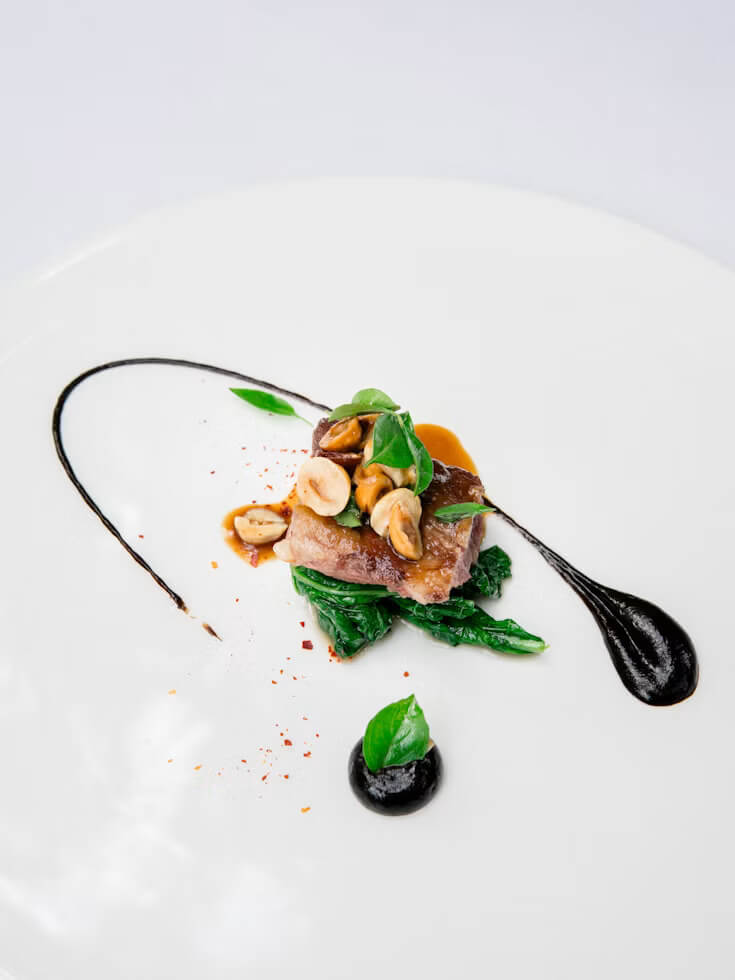
Many fine dining restaurants do not offer traditional à la carte menus. Instead, they present curated tasting menus designed by the chef. These menus are structured experiences where each dish builds on the previous one in flavor, intensity, and presentation. Courses are often small but highly detailed.
Guests should avoid trying to rush or reorder courses. Trusting the chef’s sequence is essential to appreciating the full culinary narrative. Wine pairings, if selected, are also designed to complement each stage of the meal.
4. Respect the Service Flow
Fine dining service operates with precision timing. Waitstaff are trained to deliver dishes at specific moments, often synchronized across multiple tables. Avoid interrupting service unnecessarily or calling staff repeatedly for minor requests. Instead, wait for natural service checkpoints.
If you need something, subtle eye contact or a small gesture is usually sufficient. This respectful interaction allows the service team to maintain rhythm and ensures that every guest receives a seamless experience.
5. Use Tableware Correctly and Observe Dining Structure
Fine dining settings often include multiple utensils, glasses, and plates arranged in a specific order. A simple rule: work from the outside in when using cutlery for each course. Each item has a purpose, and nothing is placed randomly.
Bread plates, wine glasses, and water glasses each serve distinct roles. Avoid rearranging table settings or using incorrect glassware for beverages. Even if you are unsure, observing other guests or following staff guidance is perfectly acceptable.
6. Be Mindful of Wine and Beverage Etiquette
Wine service is a major component of fine dining, especially in Spain where regional pairings are highly valued. If a sommelier is present, they may recommend pairings based on the menu. It is acceptable to ask questions, but avoid rushing decisions or dismissing recommendations without consideration.
When tasting wine, a small sip is typically offered before pouring is continued. This is not a formality; it ensures quality and allows you to approve the selection. Holding your glass by the stem (for white or sparkling wines) is also considered proper etiquette.
7. Understand Tipping and Payment Expectations
Tipping culture varies depending on the country, but in Spain and much of Europe, service charges are often included in the bill. In fine dining restaurants, leaving a small additional tip is appreciated but not always required. The focus is more on respectful acknowledgment of service quality rather than strict percentage rules.
Payment is usually handled discreetly at the table or at a designated payment area. Splitting bills should be requested politely and ideally mentioned in advance for larger groups.
Final Thoughts
Fine dining is not about rigid rules designed to intimidate guests but is about creating a shared experience where food, service, and atmosphere work in harmony. By understanding these fine dining etiquette principles, first-time guests can feel confident navigating even the most sophisticated restaurants. From dressing appropriately to respecting service flow and understanding tasting menus, each rule enhances your ability to enjoy the experience fully.
Whether you are exploring Michelin-starred cuisine in Barcelona or discovering modern Spanish gastronomy, these etiquette fundamentals ensure that you not only dine well but dine correctly.