La Diada: 7 Amazing Things to See & Experience
Every year on 11 September, Barcelona celebrates La Diada, the National Day of Catalonia. It is a day filled with history, Catalan traditions, cultural activities and public events across the city.
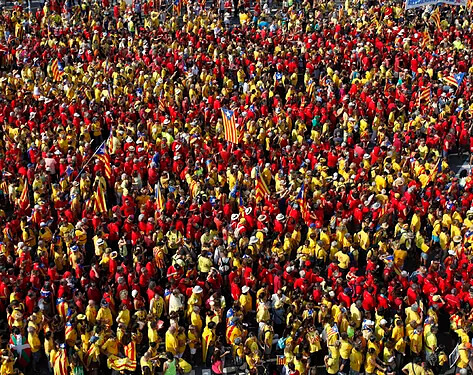
For visitors, La Diada offers an opportunity to experience Barcelona from a different perspective. Streets and public spaces become places of commemoration, Catalan flags appear throughout the city, and important historic sites take on particular significance.
1. Visit the Rafael Casanova Monument
One of the most important places to visit during La Diada in Barcelona is the monument dedicated to Rafael Casanova. Casanova was Conseller en Cap of Barcelona during the final defence of the city in 1714 and was wounded during the fighting on 11 September. Today, the monument is one of the main locations for the traditional commemorations of La Diada.
The annual ceremony includes speeches, readings and floral offerings made by institutions and organisations. Even outside the official ceremonies, the area provides an opportunity to understand the historical significance behind the celebration.
2. Explore the Born and the historic centre
Barcelona’s historic centre is particularly interesting to explore around La Diada because many locations are connected to the events of 1714.
The El Born area played an important role during the final stages of the siege. Barcelona’s defenders fought in and around the city walls and nearby areas during the final assault. Today, visitors can walk through the historic streets and imagine how dramatically different Barcelona looked more than 300 years ago. The Born area is also an excellent place to combine history with gastronomy. After exploring the neighbourhood, you can stop for a coffee, tapas or a traditional Spanish lunch.
3. Visit the Fossar de les Moreres
Another significant historical site is the Fossar de les Moreres, close to the Basilica of Santa Maria del Mar. The site is traditionally associated with those who died defending Barcelona during the War of the Spanish Succession. It has become one of the important locations for remembering the events commemorated by La Diada.
Historical tourism resources from the Catalan government specifically identify the Fossar de les Moreres as a place where those who fell defending Catalan institutions and liberties are remembered on 11 September.
4. Look out for the Catalan flag
During La Diada, the Catalan flag, the Senyera, becomes especially visible throughout Barcelona. You may see flags displayed from balconies, public buildings, shops and private homes. The flag has become one of the most recognisable symbols associated with Catalan identity.
5. Experience Catalan culture and public events
La Diada includes much more than historical ceremonies. Depending on the year, Barcelona hosts institutional events, cultural activities, public performances and other commemorations. The Generalitat also highlights open days at different iconic buildings and spaces around Catalonia as part of the National Day celebrations.
For anyone interested in Catalan culture, this can be an excellent opportunity to discover traditions that might not be as visible during a standard Barcelona sightseeing trip. It is worth checking the official programme before visiting because individual events and schedules can change from year to year.
6. Enjoy traditional Catalan and Spanish food
No visit to Barcelona is complete without experiencing its food culture, and La Diada is another opportunity to enjoy the city’s gastronomy. If you are exploring the city throughout the day, choose dishes that are easy to share. Tapas and small plates are ideal for taking a break between cultural activities. Some dishes and products worth trying include:
- Pa amb tomàquet – bread rubbed with tomato, olive oil and salt.
- Escalivada – roasted vegetables, often including peppers and aubergine.
- Croquetes – crisp croquettes with a creamy filling.
- Tortilla de patatas – a Spanish classic made with potato and egg.
- Pintxos – small bites inspired by Basque culinary tradition.
- Jamón ibérico – one of Spain’s most famous cured products.
- Gambas al ajillo – prawns cooked with garlic and olive oil.
- Crema catalana – a traditional Catalan dessert.
Sharing several dishes is a particularly good way to experience the variety of Spanish gastronomy while continuing to explore the city.
7. Finish the day around a table
After walking through Barcelona, visiting historic locations and experiencing the atmosphere of La Diada, one of the simplest ways to finish the day is with a relaxed meal. A restaurant in or around the historic centre can be a convenient choice if you have spent the day exploring areas such as the Gothic Quarter, El Born or nearby parts of Ciutat Vella.
You can choose a selection of tapas and pintxos for the table or sit down for a longer Spanish meal. The atmosphere of La Diada makes it a good day to slow down and enjoy the social side of Barcelona. Food is not necessarily the main focus of the celebration, but it naturally becomes part of the experience when people spend the day together.
What is La Diada actually celebrating?
La Diada commemorates the fall of Barcelona on 11 September 1714, at the end of the siege during the War of the Spanish Succession.
Following the defeat, Catalan institutions were abolished and the political system was reorganised under the Bourbon monarchy. The Decree of Nueva Planta was subsequently introduced in Catalonia in 1716. The National Day was officially established by the Parliament of Catalonia in 1980. The legislation recognised 11 September as Catalonia’s National Holiday. Understanding this history makes the sights and ceremonies associated with La Diada much more meaningful.
Is La Diada a good time to visit Barcelona?
Absolutely, especially if you are interested in history and culture. However, visitors should be aware that La Diada is a significant public day with ceremonies, demonstrations and large gatherings. Some central areas can become particularly busy, and transport or access around specific events may be affected.
Experience Barcelona through La Diada
La Diada in Barcelona is an important date in the city’s calendar. It connects historical sites, Catalan traditions, public ceremonies and contemporary cultural life. From the Rafael Casanova monument and Fossar de les Moreres to the streets of El Born, there are plenty of places where visitors can learn more about Barcelona’s past.
And between the historical stops, there is always time to enjoy the city’s food culture. A plate of tapas, a few pintxos or a relaxed Spanish meal can turn a day of exploring into a complete Barcelona experience. If you are in the city on 11 September, take the opportunity to look beyond the usual tourist attractions. Walk through the historic centre, discover the stories behind the monuments, experience the local atmosphere and sit down for a meal.
La Diada is ultimately about remembering history, experiencing culture and seeing another side of Barcelona.