Premium Spanish Beef: 6 Irresistible Steak Cuts Every Visitor to Spain Must Try
Spain is often celebrated for its tapas, seafood, and world-famous cured ham, but the country’s beef culture deserves equal recognition. Across Spain, chefs and cattle producers have spent generations perfecting the art of raising and preparing exceptional beef. From the lush pastures of Galicia to the expansive dehesa landscapes of the southwest, premium Spanish beef has become a favorite among food lovers seeking authentic and memorable dining experiences.
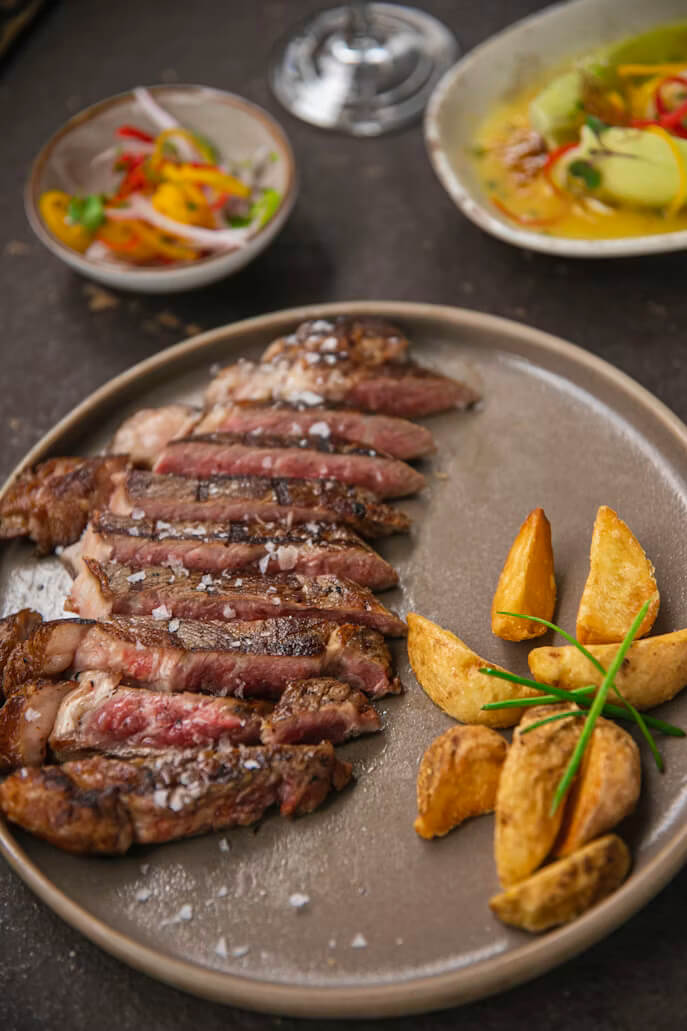
Whether you’re visiting Barcelona, Madrid, or the Basque Country, understanding the most popular steak cuts can help you navigate restaurant menus with confidence. Each cut offers a unique texture, flavor profile, and culinary tradition that reflects Spain’s rich gastronomic heritage. If you’re planning a culinary adventure, here are six delicious steak cuts that showcase the very best of premium Spanish beef.
What Makes Premium Spanish Beef Special?
Before exploring specific cuts, it’s worth understanding why premium Spanish beef has earned such a strong reputation.
Many Spanish cattle are raised using traditional grazing methods that emphasize animal welfare and natural diets. Regions such as Galicia, Castilla y León, Extremadura, and the Basque Country have become renowned for producing beef with exceptional flavor and quality.
Spanish chefs often prioritize:
- Natural grazing systems
- Long maturation periods
- Expert butchery
- Traditional cooking techniques
- Regional cattle breeds
The result is premium Spanish beef that combines rich flavor, excellent texture, and a strong connection to local culinary traditions.
1. Chuletón: Spain's Legendary Rib Steak
When discussing premium Spanish beef, no cut is more iconic than the chuletón. A chuletón is a large bone-in rib steak that is typically aged before being cooked over a charcoal grill. Known for its impressive size and deep flavor, it is often shared among diners and served sliced for the table.
What makes chuletón special is its balance of tenderness and robust beef flavor. The bone contributes additional richness during cooking, while the aging process intensifies the meat’s complexity. Visitors to Spain frequently discover that ordering a chuletón is more than a meal but is a social dining experience.
Best Pairing
- Aged Rioja Reserva por Ribera del Duero.
2. Entrecot: The Restaurant Favorite
Cut from the rib section, entrecot is prized for its tenderness and moderate marbling. It delivers a satisfying steak experience without the size and intensity of a chuletón. Many chefs prepare entrecot simply with olive oil, sea salt, and high heat, allowing the quality of the premium Spanish beef to take center stage.
Because it is approachable and versatile, entrecot is an excellent introduction to Spanish steak culture.
Best Pairing
- Tempranillo-based wines or young Rioja.
3. Solomillo: The Ultimate Tender Cut
Known internationally as tenderloin or filet, solomillo is one of the most delicate cuts available. Its lean structure creates a buttery texture that appeals to both seasoned steak enthusiasts and casual diners. Spanish chefs frequently serve solomillo with seasonal vegetables, roasted potatoes, or wine-based sauces that complement rather than overpower the meat.
While it may contain less fat than some other cuts, high-quality premium Spanish beef ensures that solomillo remains flavorful and satisfying.
Best Pairing
- Elegant Ribera del Duero or Priorat wines.
4. Lomo Alto: Rich Flavor and Beautiful Marbling
Lomo alto comes from the upper loin section and is highly regarded for its balance of tenderness and flavor. Many steak lovers appreciate lomo alto because it delivers more marbling than leaner cuts while maintaining a refined texture. This additional fat contributes to a richer taste and juicier eating experience.
In modern Spanish steakhouses, lomo alto is often grilled over open flames to create a flavorful crust while preserving the meat’s natural juices. For visitors exploring premium Spanish beef, lomo alto offers an excellent combination of intensity and elegance.
Best Pairing
- Toro or aged Rioja wines.
5. Lomo Bajo: A Classic Steakhouse Choice
Lomo bajo is cut from the lower loin and is closely associated with traditional steakhouse dining. This cut is known for its hearty texture and pronounced beef flavor. While slightly firmer than some premium alternatives, it rewards diners with a satisfying bite and rich character.
Chefs often recommend lomo bajo for guests seeking a more authentic and robust expression of premium Spanish beef. Its versatility makes it suitable for grilling, roasting, and various modern culinary presentations.
Best Pairing
- Bold red wines from Castilla y León.
6. Presa de Vaca: A Hidden Gem for Beef Lovers
While many visitors are familiar with pork presa, fewer have encountered presa de vaca. This lesser-known cut has gained popularity among chefs thanks to its exceptional marbling and concentrated flavor. Often sourced from mature cattle, it delivers an intense beef experience that surprises even experienced steak enthusiasts. Because it remains relatively uncommon outside Spain, trying presa de vaca can feel like discovering one of the country’s best-kept culinary secrets.
For adventurous diners seeking something beyond the usual steakhouse offerings, this cut provides a memorable introduction to the diversity of premium Spanish beef.
Best Pairing
- Structured red wines such as Priorat or Toro.
How Spanish Restaurants Prepare Premium Spanish Beef
One of the defining characteristics of premium Spanish beef is the emphasis on simplicity. Rather than relying on heavy marinades or complex seasonings, Spanish chefs typically allow the meat itself to shine. Common preparation methods include:
- Charcoal grilling
- Wood-fire cooking
- Dry-aging
- Sea salt seasoning
- Olive oil finishing
This minimalist approach highlights the natural quality of the beef while preserving its distinctive regional character.
Tips for Ordering Steak in Spain
If you’re dining in Spain for the first time, a few tips can enhance your experience. First, don’t be surprised if steaks are served slightly rarer than expected. Many chefs believe this best preserves the flavor and texture of premium Spanish beef.
Second, consider sharing larger cuts such as chuletón. These steaks are often designed for communal dining and allow guests to experience one of Spain’s most beloved culinary traditions. Finally, ask your server about the beef’s origin. Many restaurants proudly feature regional breeds and aging methods that add unique character to each dish.
Where to Enjoy Premium Spanish Beef in Barcelona
Barcelona’s dining scene offers countless opportunities to experience outstanding beef dishes. From traditional steakhouses to modern Spanish restaurants, visitors can explore a wide range of preparations that showcase the quality of premium Spanish beef.
Many local chefs pair expertly grilled steaks with regional wines, seasonal ingredients, and contemporary presentation techniques. Whether you’re seeking a classic chuletón or an innovative interpretation of a lesser-known cut, Barcelona provides plenty of opportunities to discover why Spanish beef is gaining international recognition.
Final Thoughts
Spain’s culinary reputation extends far beyond tapas and seafood. The country’s commitment to quality farming, expert butchery, and traditional cooking techniques has produced some of Europe’s most impressive beef.
From the legendary chuletón to the hidden gem that is presa de vaca, these six cuts demonstrate the diversity and excellence of premium Spanish beef. Each offers a different perspective on Spain’s rich gastronomic heritage while providing visitors with unforgettable dining experiences.