9 Delectable Lamb Dishes Across Spain You Absolutely Must Try
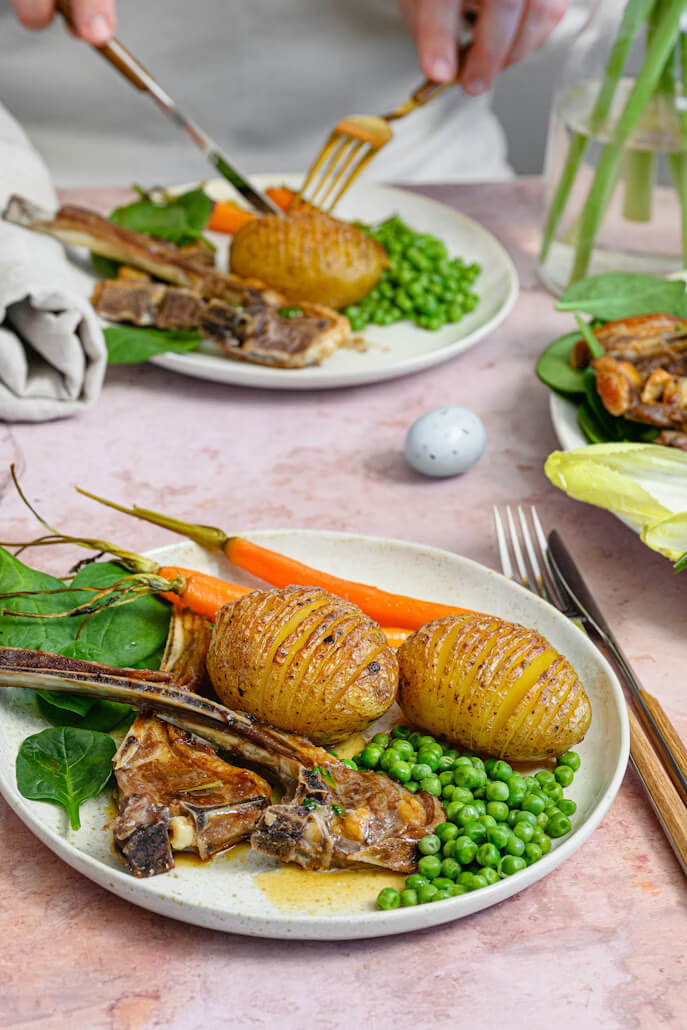
Spain’s culinary identity is deeply tied to its regions, each with unique ingredients, cooking styles, and traditions. Among its most celebrated offerings, lamb stands out as a versatile and culturally significant ingredient. From the mountainous north to the sun-soaked south, Spanish lamb dishes reflect local climate, heritage, and centuries-old cooking techniques. Exploring regional lamb specialties is not just a journey through flavor—it’s a journey through Spain itself.
Lamb occupies a special place in Spanish gastronomy. It appears in festive meals, family gatherings, and seasonal celebrations, often prepared in ways that have been passed down for generations. Whether roasted, stewed, or grilled, Spanish lamb dishes emphasize quality ingredients, simplicity, and respect for tradition.
Northern Spain: Mountainous Flavors and Hearty Preparations
In northern regions such as Asturias, León, and Cantabria, lamb is often prepared with robust, hearty flavors that match the cooler climate. One of the region’s classics is cordero al horno, roasted lamb seasoned with garlic, olive oil, and regional herbs. The slow roasting process ensures tender meat infused with earthy, aromatic notes.
In the Basque Country, lamb is frequently featured in stews like txilindrón de cordero, combining peppers, onions, and tomatoes to create a rich, comforting dish. These preparations highlight the northern emphasis on seasonal vegetables and slow cooking techniques that bring out deep flavors.
Central Spain: Rustic and Flavor-Forward Lamb
Central Spain, including Castilla y León and Castilla-La Mancha, is known for its rustic culinary style. Here, lamb is often roasted over a wood-fired oven or grilled, producing dishes with a smoky, robust flavor. Lechazo asado, a dish made with young lamb from the region, is especially iconic. Cooked with minimal seasoning—usually just salt, water, and a drizzle of local olive oil—it showcases the quality of the lamb itself.
In Madrid, lamb stews such as caldereta de cordero often appear during winter months and festive celebrations. These dishes combine lamb with potatoes, carrots, and regional spices, offering warmth and comfort while staying true to local ingredients.
Southern Spain: Aromatic and Mediterranean Influences
In Andalusia, lamb dishes embrace Mediterranean flavors with the use of olive oil, garlic, and local herbs. One popular preparation is cordero a la moruna, inspired by Moorish influences, where lamb is marinated with spices such as cumin, paprika, and cinnamon before being roasted or grilled. The result is a dish with complex aromas and a tender texture.
Andalusian lamb often features alongside seasonal vegetables and legumes, reflecting the region’s agricultural abundance. The combination of rich meat and vibrant produce creates a dish that is both celebratory and deeply rooted in local tradition.
Eastern Spain: Coastal and Festive Lamb Preparations
While coastal regions like Valencia are better known for seafood, lamb still holds a place in traditional celebratory dishes. Valencian families often prepare arroz con cordero, a festive rice dish where lamb is simmered with seasonal vegetables, saffron, and local spices. This variation on the classic paella demonstrates how lamb adapts to regional ingredients while remaining central to family celebrations.
In Catalonia, lamb appears in dishes such as xai rostit amb all i julivert—roasted lamb with garlic and parsley—a preparation that balances bold flavor with simplicity. These eastern specialties highlight the region’s attention to freshness and ingredient harmony.
The Cultural Significance of Lamb in Spanish Cuisine
Across Spain, lamb is more than just a dish—it is a cultural symbol. Often associated with religious festivals such as Easter and Christmas, lamb represents tradition, family, and celebration. The preparation of lamb dishes is a communal activity, bringing generations together in kitchens and around tables.
The emphasis on local ingredients and traditional techniques ensures that each regional lamb specialty carries the essence of its origin. From roasting in wood-fired ovens to slow stewing over low heat, Spanish lamb dishes celebrate both the meat itself and the culinary heritage of the region.
Why Spanish Lamb Dishes Remain Timeless
What makes regional lamb specialties so enduring is their simplicity and authenticity. Unlike modern culinary trends that often prioritize presentation over flavor, Spanish lamb dishes rely on quality meat, careful seasoning, and cooking methods refined over centuries. This focus on ingredient respect and tradition allows lamb dishes to remain a central part of Spanish gastronomy, from everyday meals to festive occasions.
Exploring Spain through its lamb dishes offers a unique perspective on the country’s regional diversity. Each preparation tells a story about local climate, agriculture, culture, and family traditions, making it a culinary journey as much as a gastronomic one.
Final Thoughts: A Culinary Journey Through Spain, One Lamb Dish at a Time
Spanish lamb is a testament to the country’s rich culinary heritage. From the mountains of the north to the sun-soaked plains of the south, lamb dishes reflect local ingredients, traditions, and flavors that have been cherished for generations. Experiencing regional lamb specialties is not just about tasting meat—it’s about connecting with the stories, history, and culture of Spain itself.
Whether roasted simply in Castilla y León, stewed with peppers in the Basque Country, or spiced with Mediterranean herbs in Andalusia, Spanish lamb remains a culinary constant—a dish that brings people together, honors tradition, and showcases the very best of regional Spanish cooking.