Roast Beef: 6 Expert & Foolproof Techniques for a Perfect Juicy Roast Every Time
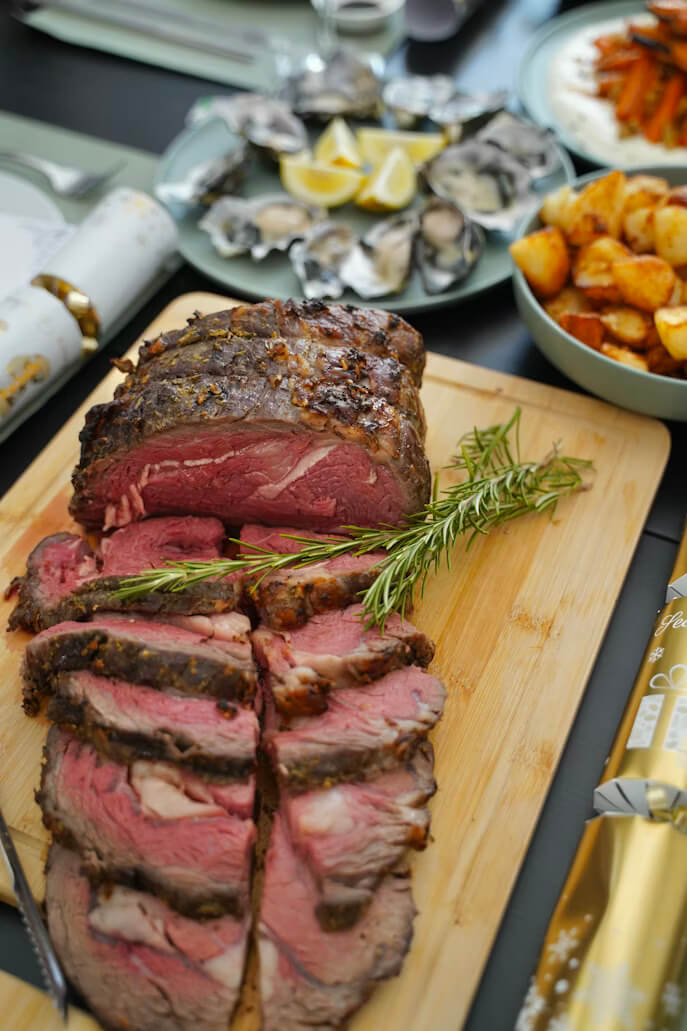
Roast beef is one of the world’s most iconic comfort foods, celebrated for its rich flavor, tender texture, and versatility at the table. Whether it’s the centerpiece of a Sunday lunch, a star in a gourmet sandwich, or part of a festive dinner, achieving the perfect roast beef can transform a meal into an unforgettable experience.
Despite its popularity, many home cooks struggle to get it just right. Too dry, unevenly cooked, or lacking flavor—these are common pitfalls. Luckily, mastering roast beef is about understanding a few key techniques that professional chefs swear by.
Here are six expert techniques to achieve the perfect juicy roast beef every time.
1. Choose the Right Cut
The first step to a perfect roast beef is selecting the right cut. Popular choices include:
- Rib Roast (Prime Rib): Richly marbled and tender, ideal for slow roasting.
- Sirloin: Leaner than rib roast but still flavorful.
- Top Round: Best for those who prefer a lean, economical option.
- Tenderloin: Extremely tender, often reserved for special occasions.
Marbling—the small streaks of fat within the meat—is crucial. Fat melts during roasting, keeping the beef juicy and adding flavor. Always look for cuts with even marbling for optimal results.
2. Bring the Beef to Room Temperature
One often-overlooked step is letting your beef rest at room temperature before roasting. A cold roast placed directly into the oven cooks unevenly, leading to dry edges and an undercooked center. Remove the beef from the refrigerator about 30–60 minutes before cooking, depending on its size. This ensures even cooking throughout and helps the meat retain its juices.
3. Season Generously and Let Flavors Penetrate
Flavor is key to a standout roast beef. Simple ingredients can elevate the meat:
- Kosher salt and freshly cracked black pepper: The foundation of seasoning.
- Garlic, rosemary, thyme, and olive oil: Add aroma and depth.
- Optional rubs or marinades: Can include mustard, Worcestershire sauce, or soy for extra complexity.
Season the beef generously on all sides, and let it rest for at least 15–30 minutes before roasting to allow the flavors to penetrate. For a more intense flavor, marinate overnight.
4. Use a High-Temperature Sear
Many chefs swear by starting the roast at a high temperature to create a flavorful crust. Searing at 220–230°C (425°F) for 15–20 minutes caramelizes the exterior, locking in juices and developing the rich, savory flavor that roast beef is known for.
After searing, reduce the oven temperature to 160–180°C (325–350°F) to cook the interior slowly and evenly. This two-step roasting method gives you a perfect contrast between the caramelized crust and tender, juicy center.
5. Monitor Internal Temperature
Cooking roast beef to the right internal temperature is the ultimate key to juiciness. Use a reliable meat thermometer to avoid overcooking:
- Rare: 50–52°C (120–125°F)
- Medium Rare: 55–57°C (130–135°F)
- Medium: 60–63°C (140–145°F)
- Medium Well: 65–68°C (150–155°F)
- Well Done: 70°C+ (160°F+)
Insert the thermometer into the thickest part of the meat, avoiding bones. Remember, the meat continues to cook for several minutes after being removed from the oven, so aim for a few degrees below your target temperature.
6. Rest Before Carving
Perhaps the most important step often skipped is resting the roast. Cutting too soon allows juices to escape, resulting in dry meat. Let the beef rest for 15–20 minutes, loosely covered with foil. This redistributes the juices throughout the meat, ensuring every slice is tender and moist.
Bonus Tips for Extra Flavor
- Pan Juices: Use the drippings to make a simple au jus or gravy.
- Oven Placement: Roast beef in the middle of the oven for even heat distribution.
- Vegetable Bed: Place root vegetables like carrots, onions, and potatoes beneath the beef to absorb flavors and make a ready-made side.
Why These Techniques Work
Perfect roast beef is about balancing flavor, texture, and juiciness. Choosing the right cut, seasoning thoughtfully, controlling temperature, and allowing the meat to rest all contribute to a professional-quality roast. By following these expert techniques, even home cooks can achieve results that rival top restaurants.
Final Thoughts
Roast beef is deceptively simple, yet mastering it requires attention to detail and respect for the meat. From selecting the perfect cut and searing for flavor to monitoring internal temperature and resting before slicing, these six techniques will ensure every roast is tender, juicy, and full of flavor.
Whether you’re preparing a Sunday family meal or hosting a festive gathering, applying these expert tips will make your roast beef unforgettable and a centerpiece worthy of any occasion.