5 Reasons Why the Best Seafood Paella Is Always Cooked Over Fire
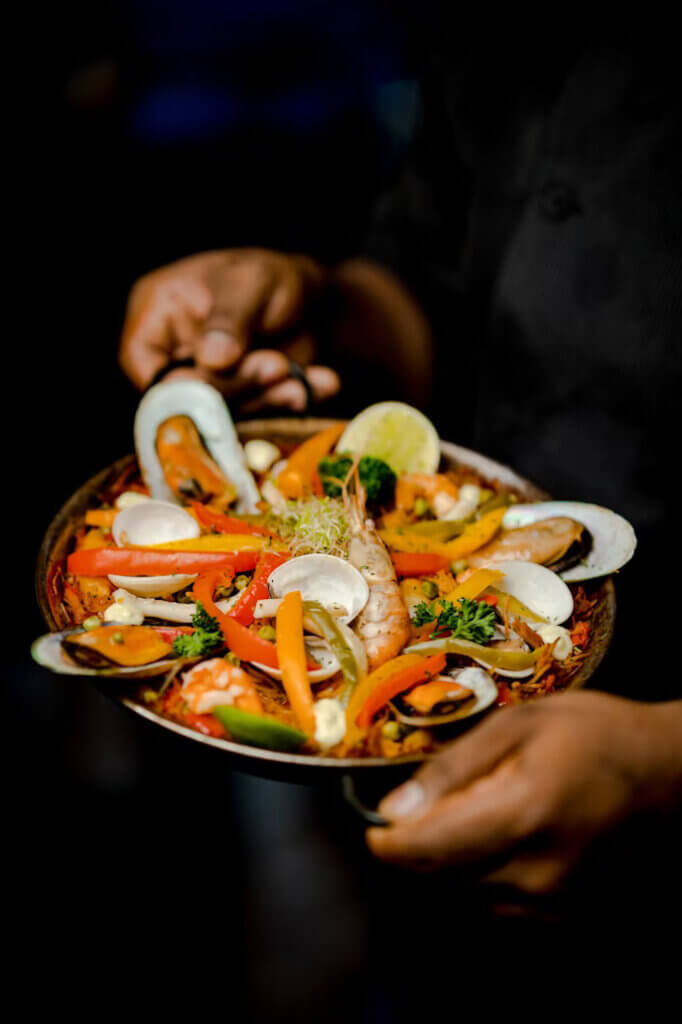
There’s nothing quite like the sizzle of a bubbling seafood paella as it cooks over open flames, the aroma of saffron and shellfish rising with the smoke. While it’s tempting to recreate this Spanish classic on your kitchen stove, true paella de marisco is meant for the fire—literally.
From traditional paelleros in Valencia to seaside cookouts in Barcelona, locals know that cooking seafood paella over wood or gas flames isn’t just about nostalgia. It’s a technique rooted in flavor, texture, and tradition. Let’s uncover why the fire matters—and how you can bring that authentic flair to your own paella party.
The History of Paella and the Fire Tradition
To understand why seafood paella is fire-cooked, we have to go back to its origins in the rice fields of Valencia. Farm workers would gather at midday, light a fire from vine cuttings or orange branches, and cook rice with whatever seafood or meat they had. No stovetops, no ovens—just the earth, the flame, and the pan.
The wide, shallow paella pan (or paellera) was specifically designed for even heat distribution across an open flame. That same design has lasted centuries because it works—with fire, that is.
Why Fire Creates the Perfect Socarrat
Ask any Spaniard: seafood paella isn’t perfect without the socarrat—that crispy, golden layer of rice at the bottom of the pan. Cooking over fire allows precise control and high, even heat from below, which is crucial for developing socarrat without burning the dish.
Stovetops, especially electric ones, tend to distribute heat unevenly. You risk mushy rice in the center and burnt edges. Over fire, you can shift the pan, rotate it, and adjust intensity—all key for that coveted crust.
Seafood Demands Gentle Yet Intense Heat
Seafood paella uses delicate proteins like shrimp, mussels, squid, and clams. These cook quickly and can become rubbery if the heat isn’t just right. Cooking over fire allows you to:
- Control temperature zones across the pan
- Steam shellfish evenly
- Avoid overcooking delicate seafood while keeping rice al dente
That balance is hard to strike on an indoor burner with a small flame.
Fire Adds Flavor (Yes, Even to Rice!)
Whether you’re using gas, wood, or charcoal, cooking seafood paella over open flames brings a subtle smokiness that transforms the dish. In traditional outdoor paella cookouts, orange or almond wood is burned, adding nuanced aromas that infuse every grain of rice..
This layered flavor is nearly impossible to recreate indoors—even with fancy stovetop grills or broilers. That earthy, smoky essence is what gives seafood paella its soul.
The Ritual: Cooking Paella Is a Communal Event
In Spain, cooking seafood paella over fire is more than a culinary choice—it’s a ritual. Families gather around the pan, wine is poured, and everyone takes turns tending the flames. It’s as much about social connection as it is about food.
Compare that to stirring rice in a cramped kitchen, and you’ll see why paella belongs outdoors. The fire invites community, storytelling, and the slow, satisfying rhythm of traditional cooking.
Can You Replicate Fire Cooking at Home?
If you don’t have a Valencian countryside at your disposal, don’t worry. There are ways to get closer to that authentic fire-cooked experience:
- Gas paella burners: Sold in Spain and online, these round burners are perfect for paelleras.
- Charcoal grill method: Set your paella pan directly over coals for that smoked flavor.
- Fire pit cooking: For the adventurous—use a tripod or bricks to suspend your pan above flames.
Just be sure to cook al aire libre—paella over fire is all about the fresh air and social vibe.
Where to Try Fire-Cooked Seafood Paella in Spain
Want the real deal? These spots are famous for wood-fired seafood paella:
- El Pintxo de Petritxol (Barcelona) – A rustic favorite near the Gothic Quarter, known for its traditional seafood paella made over flame with bold, smoky flavors.
- Casa Carmela (Valencia) – Paella cooked over orange wood, tableside socarrat included.
- Can Majó (Barcelona) – Beachfront views and open flame techniques.
- El Palmar (Albufera) – Paella cooked in the rice fields themselves, with local clams and prawns.
Final Thoughts: Let the Flames Lead
Cooking seafood paella over fire isn’t just about technique—it’s about honoring a tradition that stretches back generations. From the flavor to the atmosphere, everything improves when you take it outdoors and let the flames lead.
So next time you’re craving the magic of seafood paella, think beyond the stovetop. Light the fire, gather your friends, and experience the dish the way it was always meant to be enjoyed: under the sky, around the flame, with a glass of wine in hand.