Seafood Restaurant: 9 Local Tips to Avoid Tourist Traps and Eat Well
Choosing the right seafood restaurant while traveling can feel like navigating a culinary minefield. Every coastal city claims to serve the freshest fish, every menu boasts a “daily catch,” and every host promises an authentic experience. Yet seasoned locals know that not all seafood restaurants are created equal, and tourists often end up paying more for less.
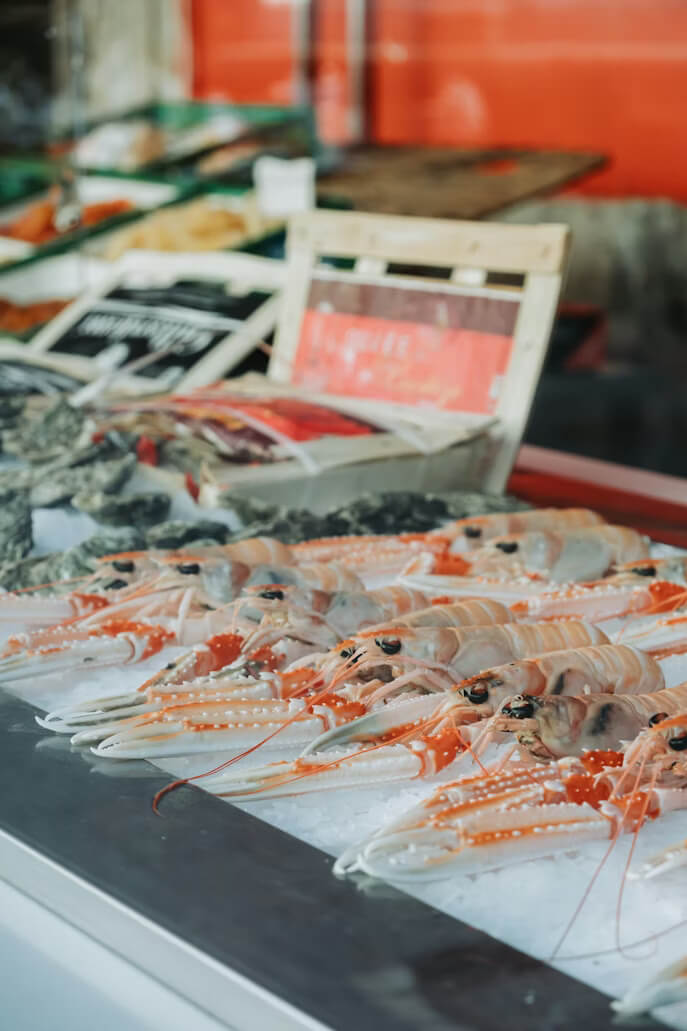
Whether you are visiting a Mediterranean food capital or exploring a seaside neighborhood for the first time, knowing how to distinguish a local favorite from a tourist trap can completely transform your dining experience. This guide explains how locals choose the right seafood restaurant and how you can do the same.
Why Tourists and Locals Have Very Different Seafood Experiences
Tourists often prioritize convenience, visibility, and online ratings when choosing a seafood restaurant. Locals focus on freshness, consistency, and long-standing reputation. A busy seafood restaurant in a main square may look appealing, but locals are usually eating a few streets away, where quality matters more than foot traffic.
Tourist-oriented seafood restaurants are designed to attract passersby. Local seafood restaurants are built around daily deliveries, seasonal menus, and returning customers.
Location Matters More Than You Think
One of the first things locals consider when choosing a seafood restaurant is its location. Restaurants positioned directly next to major attractions often depend on constant tourist turnover, while better seafood restaurants tend to sit slightly outside the busiest areas.
Common signs of tourist-focused locations include:
- Prime spots beside landmarks
- Aggressive front-of-house promotion
- Menus displayed prominently outside
Locals usually prefer seafood restaurants near residential neighborhoods, ports, or fish markets, where quality is more important than visibility.
A Smaller Menu Signals Better Seafood
A trustworthy seafood restaurant does not need an extensive menu. Fresh seafood depends on weather, seasonality, and daily market availability, which naturally limits what can be offered.
Locals look for menus that highlight:
- A fish of the day
- Seasonal shellfish
- Simple cooking methods that respect the ingredient
Large, all-purpose menus are often one of the strongest warning signs.
Freshness Is Non-Negotiable
Locals are trained to recognize freshness instantly when evaluating a seafood restaurant. Truly fresh seafood smells clean and briny, not strong or overpowering.
Key freshness indicators include:
- Firm, glossy fish flesh
- Shellfish that is clearly labeled or kept alive
- Light seasoning that enhances flavor rather than masking it
Many respected seafood restaurants openly display whole fish, reinforcing transparency and trust.
Timing Separates Locals from Tourists
Locals rarely eat early, particularly in coastal food cultures where meals follow a later rhythm. Visiting a seafood restaurant at the right time can dramatically change the experience. Lunch is typically eaten after 2:00 pm, while dinner usually starts after 8:30 pm. Restaurants filled with locals during these hours are often a dependable sign of quality.
Staff Knowledge Reveals Restaurant Quality
A strong seafood restaurant is defined by how well the staff understands the product. When servers can explain what arrived fresh that day, where it was sourced, and how it will be prepared, it signals professionalism and close relationships with suppliers. Generic or rehearsed explanations often suggest a tourist-oriented operation rather than a serious kitchen.
Pricing Patterns Tell the Truth
Seafood is rarely inexpensive, but locals recognize fair pricing. Reputable restaurants adjust prices according to seasonality and daily availability instead of maintaining fixed rates all year. Identical prices regardless of season, no mention of market availability, or premium pricing for basic or frozen fish are common warning signs. Transparency in pricing is often a quiet indicator of quality.
Watch the Diners, Not the Décor
Before choosing a seafood restaurant, locals pay more attention to the dining room than the design. Regular customers who appear familiar with the staff, confident ordering without studying the menu, and tables filled outside peak tourist hours all suggest genuine local loyalty. In the end, loyal diners say more about a restaurant than stylish décor.
How Locals Read Online Reviews
Locals use online reviews selectively, focusing on context rather than star ratings. They pay particular attention to mentions of seasonal fish, changing menus, limited availability, and reviews written in the local language. Complaints about simplicity or small menus are often interpreted as positive signs.
Final Thoughts: Choose Like a Local
The best seafood restaurant is not the loudest, the most advertised, or the closest to a landmark. It is the one that values freshness, simplicity, and seasonality.
By paying attention to location, menu size, timing, staff knowledge, pricing, and the people dining inside, you can confidently choose a seafood restaurant that delivers an authentic and memorable experience.