Semana Santa: 6 Powerful & Unforgettable Experiences You Must See in Spain
Every spring, Spain transforms into a place of deep emotion, devotion, and cultural beauty during Semana Santa. Known in English as Holy Week, Semana Santa is one of the most important religious and cultural celebrations in the country. Streets fill with candlelit processions, solemn music, traditional foods, and centuries-old rituals that bring communities together.
For locals, Semana Santa is far more than a religious event. It is a moment when history, faith, art, and tradition merge into a powerful cultural experience. Visitors often describe the atmosphere during Semana Santa as unforgettable, whether they witness grand processions in historic cities or simply enjoy the quiet reverence of the week. From dramatic parades to delicious seasonal dishes, here are six meaningful experiences that make Semana Santa in Spain so special.
The History and Significance of Semana Santa
Before exploring the experiences, it helps to understand the meaning behind Semana Santa. The celebration commemorates the final days of Jesus Christ’s life, including the Passion, Crucifixion, and Resurrection. In Spain, the traditions of Semana Santa date back centuries. Many of the processions and rituals originated during the Middle Ages and were organized by religious brotherhoods known as cofradías. These groups still play a central role in the celebrations today.
1. Witnessing the Majestic Processions
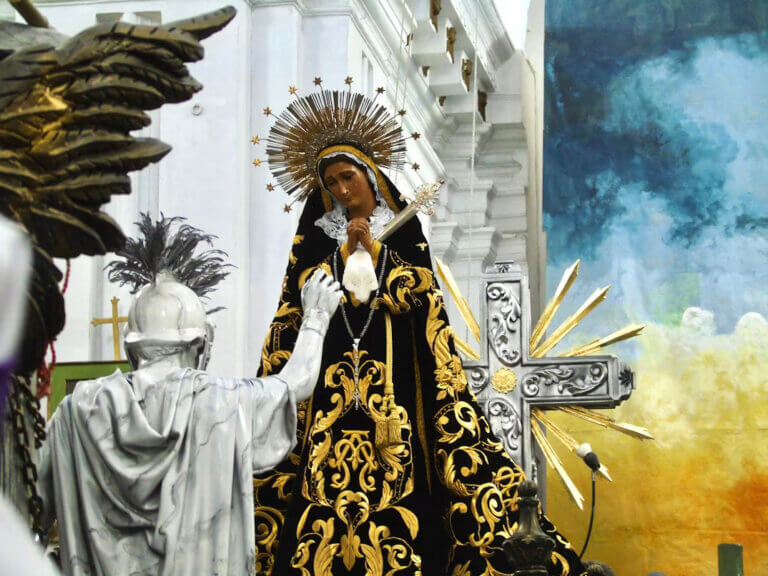
The most iconic experience during Semana Santa is witnessing the famous religious processions. Throughout the week, elaborate floats called pasos are carried through the streets by members of religious brotherhoods. These floats often feature beautifully sculpted statues depicting scenes from the Passion of Christ. The statues are decorated with candles, flowers, and intricate details that make each procession visually striking.
Participants wearing traditional robes and pointed hoods slowly walk alongside the floats, creating a powerful and solemn atmosphere. The slow rhythm of drums and religious music adds emotional depth to the experience. For many visitors, seeing a Semana Santa procession for the first time is both moving and unforgettable.
2. Experiencing the Atmosphere in Historic Spanish Cities
Although Semana Santa is celebrated across Spain, some cities are especially famous for their grand celebrations. Cities such as Seville, Málaga, Valladolid, and Granada attract thousands of visitors each year who come to experience the unique atmosphere of Holy Week. In these historic locations, the narrow streets, ancient churches, and candlelit processions create a dramatic setting that feels almost timeless.
Even outside the main processions, the spirit of Semana Santa can be felt everywhere—from church bells ringing to crowds gathering quietly along the streets as the parades pass by.
3. Listening to the Emotional Saetas
One of the most powerful moments during Semana Santa is hearing a saeta. A saeta is a spontaneous flamenco-style religious song sung from balconies or street corners as a procession passes. These songs are deeply emotional and often performed without musical accompaniment. The singer’s voice echoes through the silent crowd, creating a moving moment of devotion and artistry.
The tradition of the saeta adds a unique cultural dimension to Semana Santa, combining Spain’s musical heritage with its religious traditions.
4. Tasting Traditional Semana Santa Foods
Like many Spanish celebrations, Semana Santa also comes with special seasonal foods that reflect the traditions of the week. One of the most popular dishes enjoyed during Semana Santa is torrijas. Often compared to French toast, torrijas are slices of bread soaked in milk or wine, coated in egg, fried, and then topped with sugar, cinnamon, or honey.
Another classic is potaje de vigilia, a hearty stew made with chickpeas, spinach, and cod. This dish became popular because traditional religious customs encouraged avoiding meat on certain days of Holy Week. These comforting recipes have become an essential culinary part of Semana Santa, bringing families together around the table.
5. Admiring the Artistic Floats and Religious Sculptures
The artistic craftsmanship behind Semana Santa floats is remarkable. Many of the statues carried during the processions are centuries old and considered masterpieces of religious art. These sculptures are often created by renowned artists and carefully preserved by the religious brotherhoods that maintain them. Some statues are so famous that they have become symbols of their cities.
The floats themselves are also intricately designed, often covered with gold decorations, velvet fabrics, and elaborate candle arrangements. Because of this artistic detail, Semana Santa is not only a religious celebration but also an important showcase of Spanish cultural heritage.
6. Feeling the Deep Sense of Community
Perhaps the most meaningful aspect of Semana Santa is the strong sense of community it creates. Families, neighbors, and entire cities come together to organize and participate in the celebrations. Many people spend months preparing their traditional garments, rehearsing music, or helping decorate the floats. Others gather with friends and relatives to watch the processions and share meals.
This shared dedication keeps the traditions of Semana Santa alive generation after generation. For visitors, witnessing this sense of unity offers a deeper understanding of Spanish culture and values.
Why Semana Santa Remains One of Spain’s Most Important Celebrations
There are many festivals throughout Spain, but Semana Santa holds a particularly special place in the country’s cultural identity. The combination of devotion, artistry, music, and food creates an experience that is both powerful and unforgettable. For some, Semana Santa is a time of reflection and faith. For others, it is a chance to connect with history and tradition. Either way, the week brings a unique atmosphere that transforms Spanish cities into living cultural stages.
Final Thoughts
Whether you are drawn by the emotional processions, the traditional foods, or the incredible artistic displays, Semana Santa offers one of the most meaningful cultural experiences in Spain. The beauty of Semana Santa lies in its ability to unite history, religion, and community in a celebration that has endured for centuries. Every procession, every song, and every shared meal contributes to the rich tapestry of Spanish heritage.
For anyone visiting Spain in spring, experiencing Semana Santa is truly unforgettable. It is a moment when the country’s traditions come alive, offering a powerful glimpse into the soul of Spanish culture.