Spanish Seafood Rice: 7 Irresistible Tips for Perfect Coastal Flavors
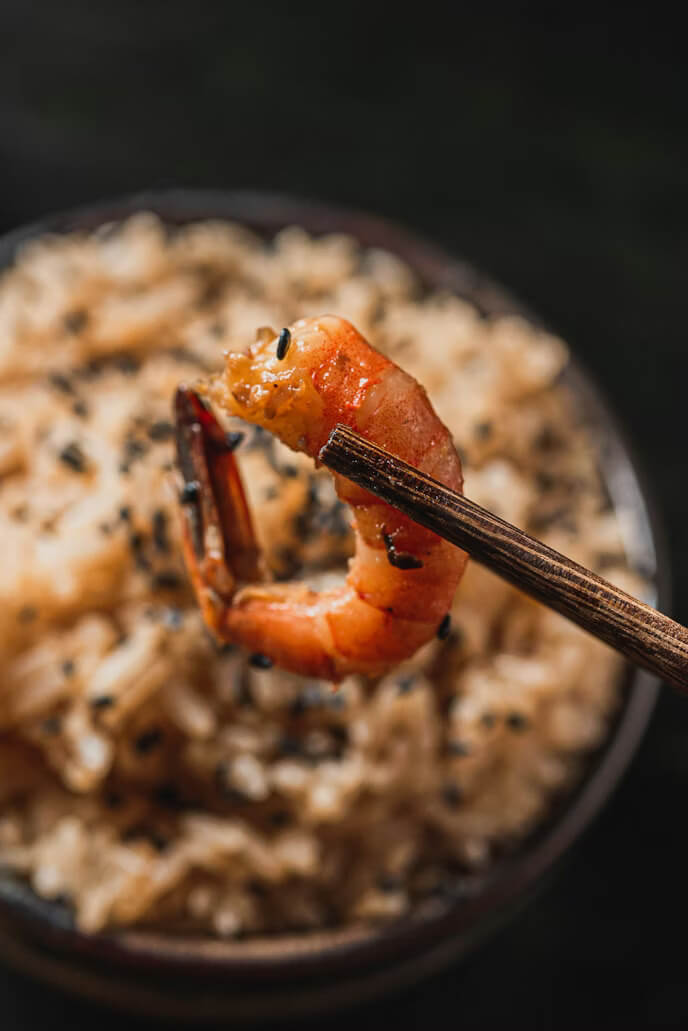
Spanish seafood rice is one of the most celebrated dishes in coastal Spain, combining the freshness of the sea with the heartiness of perfectly cooked rice. Unlike quick weeknight meals, this dish is an experience—one that brings family and friends together in the kitchen and around the table. Making seafood rice at home may seem intimidating, but with the right ingredients, techniques, and timing, it’s entirely achievable while maintaining authenticity.
From the Valencian coast to Galicia, variations exist, but the essence remains the same: quality seafood, aromatic sofrito, and rice cooked to perfection. This guide will walk you through everything you need to know to prepare traditional Spanish seafood rice in your own kitchen.
Understanding the Ingredients for Seafood Rice
The foundation of great seafood rice is simple: high-quality, fresh ingredients. Choosing the right components will determine the dish’s flavor and authenticity.
- Seafood: A combination of shellfish and fish works best. Common choices include prawns, clams, mussels, squid, and firm white fish. Freshness is key—if fresh seafood isn’t available, frozen can work, but make sure it is well-drained and properly thawed.
- Rice: Short-grain rice, such as Bomba or Calasparra, absorbs flavor without becoming mushy. It allows the dish to develop a rich, cohesive texture.
- Sofrito: This aromatic base combines finely chopped onions, garlic, tomatoes, and sometimes bell peppers. Sautéed in olive oil, the sofrito is the heart of flavor for your seafood rice.
- Broth: Seafood or fish stock is essential for depth. Homemade is ideal, but quality store-bought stock is acceptable. The broth should be hot before adding it to the rice.
- Seasoning: Saffron is traditional, lending both color and a subtle earthy flavor. Smoked paprika adds warmth, while salt and freshly ground pepper balance the dish.
- Optional herbs: Fresh parsley or a squeeze of lemon can enhance freshness at the end.
Step 1: Preparing Your Seafood
Proper preparation ensures that seafood cooks evenly and maintains its texture.
- Clean shellfish thoroughly—discard any broken shells and scrub clams and mussels.
- Peel and devein prawns if necessary.
- Cut fish into uniform chunks to ensure even cooking.
- Lightly season with salt and a little olive oil, then set aside.
This stage is crucial, as seafood will be added later in the cooking process to prevent overcooking.
Step 2: Creating the Sofrito
The sofrito forms the flavor base for authentic seafood rice:
- Heat olive oil in a wide, shallow pan over medium heat.
- Sauté finely chopped onions until translucent.
- Add garlic and cook until fragrant.
- Stir in tomatoes (peeled and grated or finely chopped) and bell peppers if using.
- Cook slowly until the mixture reduces and thickens into a rich, aromatic paste.
- Season with a pinch of salt, pepper, and smoked paprika.
A properly cooked sofrito gives your seafood rice a deep, layered flavor that elevates the entire dish.
Step 3: Cooking the Rice
Once the sofrito is ready:
- Add the rice to the pan, stirring to coat each grain with the aromatic base.
- Pour in hot seafood stock (roughly twice the volume of rice).
- Add saffron threads or a pinch of ground saffron for color and aroma.
- Bring to a gentle boil, then reduce heat to maintain a slow simmer.
- Cook uncovered, without stirring, to allow the rice to absorb the liquid evenly.
Timing is essential: short-grain rice usually cooks in 15–20 minutes. Keep an eye on the texture, aiming for a tender yet slightly firm grain.
Step 4: Adding the Seafood
Seafood is delicate and should be added toward the end of cooking:
- Arrange prawns, clams, mussels, and fish pieces on top of the simmering rice.
- Cover the pan briefly, allowing shellfish to open and fish to cook through.
- Avoid overcooking—the seafood should be just tender and flavorful.
By adding seafood at the right time, you preserve both texture and taste, making the seafood rice the centerpiece of your meal.
Step 5: Finishing Touches
Once the rice is cooked and the seafood tender:
- Sprinkle freshly chopped parsley over the dish for color and freshness.
- Add a light squeeze of lemon juice if desired, to brighten flavors.
- Let the dish rest for a few minutes before serving, allowing the flavors to meld.
Presentation can be simple: serve directly from the pan, encouraging communal dining and emphasizing the shared, celebratory nature of Spanish meals.
Tips for Perfect Spanish Seafood Rice at Home
- Quality first: Fresh seafood and good rice make the difference.
- Wide, shallow pan: Ensures even cooking and maximum surface area for the rice to absorb flavors.
- Don’t rush: Slow, gentle cooking develops depth in both rice and sofrito.
- Control liquid: Add stock gradually if needed—rice should be moist but not soupy unless making a caldoso (brothy) variation.
- Adjust seasoning last: Seafood naturally adds salinity, so taste before adding extra salt.
Why Seafood Rice Is More Than a Dish
Spanish seafood rice embodies coastal culinary culture. It reflects the relationship between land and sea, the importance of seasonality, and the joy of gathering around a table. Cooking it at home is both practical and immersive—you learn about ingredients, techniques, and the cultural significance behind each step.
Whether you’re preparing a weeknight meal or a festive family dinner, seafood rice invites conversation, slows the pace of the meal, and celebrates the flavors of Spain’s coast. It’s a dish that honors tradition while bringing people together in the kitchen and at the table.
Final Thoughts: Bringing Spanish Coastal Flavors Home
Making traditional Spanish seafood rice at home is a rewarding culinary experience. By focusing on quality ingredients, a well-cooked sofrito, and careful timing, you can create a dish that captures the essence of Spain’s coastal regions. From tender prawns to perfectly cooked rice infused with saffron and stock, every bite is a celebration of flavor, tradition, and shared experience.
Cooking seafood rice is more than following a recipe—it’s about embracing Spanish culinary culture and bringing the taste of the coast into your home.