7 Unforgettable Spanish Tasting Menus Every Food Lover Must Experience
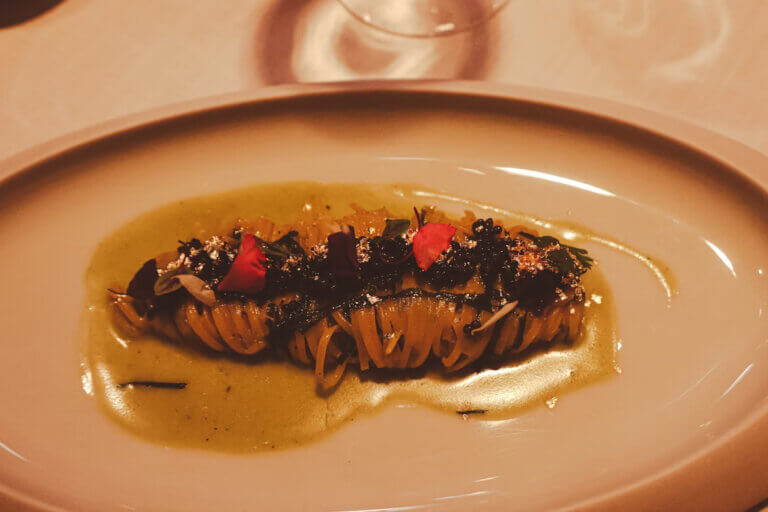
In Spain, a tasting menu is more than a meal—it is a curated journey through flavor, culture, and culinary artistry. Whether in a Michelin-starred restaurant or a boutique coastal eatery, tasting menus offer food lovers a chance to experience the full depth of Spanish gastronomy in a single, carefully structured sitting.
For first-timers, the idea of multiple small courses might seem overwhelming, but understanding what to expect can transform the experience into a memorable adventure. Spanish tasting menus balance ingredients, seasonality, and pacing, offering an immersive look into the chef’s philosophy and regional culinary traditions.
The Philosophy Behind Spanish Tasting Menus
The tasting menu is designed to tell a story through food. Each course is intentional, highlighting a combination of textures, flavors, and techniques. Chefs often craft tasting menus to showcase:
- Seasonal ingredients at their peak
- Regional specialties and traditional flavors
- Technical skill and creativity
Unlike standard à la carte dining, tasting menus emphasize progression. Dishes are served in a deliberate sequence, building from lighter flavors to richer, more complex profiles. This allows diners to appreciate the contrast between courses and the overall narrative of the meal.
How a Spanish Tasting Menu Is Structured
Most Spanish tasting menus follow a structure that balances variety, portion size, and pacing. A typical menu may include:
- Amuse-bouche or Apertivos: Tiny bites that introduce the meal and awaken the palate. Examples include seafood tartare, bite-sized croquettes, or local vegetables with light dressings.
- Starters (Entrantes): Slightly larger dishes that highlight fresh, seasonal ingredients, such as marinated fish, gazpacho variations, or creative interpretations of traditional tapas.
- Intermediate Courses: These may include soups, light meats, or seafood prepared in innovative ways, offering a transition between starters and main courses.
- Main Courses (Platos Principales): Richer dishes that anchor the menu, often featuring premium ingredients such as lamb, turbot, or shellfish.
- Cheese or Pre-Dessert: Many tasting menus include a small cheese course or palate cleanser to prepare for the finale.
- Desserts (Postres): Sweet dishes ranging from traditional Spanish confections like turrón-inspired creations to avant-garde plated desserts.
- Petit Fours or Mignardises: Tiny, bite-sized sweets served with coffee or tea to end the meal.
This sequencing ensures a balanced experience, allowing diners to enjoy every flavor without feeling overwhelmed.
Ingredients and Regional Influences
A Spanish tasting menu often highlights local and seasonal ingredients, reflecting both geography and tradition. Examples include:
- Coastal regions: shellfish, turbot, and other fresh seafood
- Northern Spain: hearty vegetables, cured meats, and rich stews
- Central Spain: young lamb, game, and seasonal mushrooms
- Southern Spain: olive oil-forward dishes, roasted vegetables, and aromatic herbs
Chefs curate courses to showcase these ingredients in a variety of techniques, from classic preparations to modern, experimental interpretations.
How to Approach a Tasting Menu
To fully enjoy a Spanish tasting menu, diners should consider:
- Pacing: Courses are meant to be savored slowly. Don’t rush—take time to taste each element.
- Pairings: Many tasting menus include wine or cava pairings. These are carefully chosen to complement each course, enhancing both flavors and textures.
- Interaction: Ask questions or observe how the chef’s techniques influence presentation and flavor combinations. Tasting menus are educational as well as enjoyable.
- Appreciation of Detail: Portions may be small, but attention to seasoning, texture, and plating is meticulous. Each bite is crafted to highlight specific flavors.
The Experiential Element
A Spanish tasting menu is as much about experience as it is about food. It often involves:
- Artistic plating and presentation
- Courses designed to evoke nostalgia or surprise
- Flavors that transition from familiar to innovative
- A rhythm that encourages conversation and reflection
This experience allows diners to connect not just with the food, but with Spanish culture, culinary history, and the chef’s creative vision.
Why Tasting Menus Are Ideal for Travelers
For food-loving travelers, a Spanish tasting menu is an opportunity to sample the essence of a region in one meal. Unlike ordering à la carte, a tasting menu:
- Introduces multiple local ingredients and techniques
- Showcases traditional dishes alongside modern innovations
- Provides insight into regional seasonality and culinary priorities
Whether in a coastal seafood restaurant, a mountain-side tavern, or a city Michelin-starred establishment, tasting menus allow visitors to explore Spain’s diverse culinary landscape efficiently and memorably.
Tips for Enjoying a Spanish Tasting Menu
- Arrive hungry but relaxed: Portions are small, but the meal is multi-course.
- Embrace new flavors: Tasting menus often feature unfamiliar or experimental dishes.
- Follow the pacing: Courses are designed to flow; avoid finishing quickly or over-eating early.
- Consider pairings: Wine or beverage pairings enhance the experience.
- Engage with staff: Learning about the dish’s ingredients, technique, or inspiration enriches your meal.
By following these tips, diners can fully appreciate the artistry and intention behind each course.
Final Thoughts: More Than a Meal
A Spanish tasting menu is an invitation to explore culinary creativity, regional identity, and the seasonality of ingredients. It’s a dining experience designed to educate, delight, and immerse food lovers in the rhythms of Spanish gastronomy. From the first amuse-bouche to the final petit four, each course tells a story—one that connects diners with tradition, innovation, and the joy of sharing a meal.
Whether you are a local diner seeking a new gastronomic adventure or a traveler eager to experience Spain’s culinary diversity, a tasting menu offers a structured, thoughtful, and unforgettable journey for the senses.