Squid Grilled: 7 Powerful Differences Between Smoky Perfection and Fried Calamari
Seafood lovers often find themselves choosing between two classic preparations: grilled squid and fried calamari. Both showcase squid as the core ingredient, yet the cooking method transforms texture, flavor, and overall dining experience.
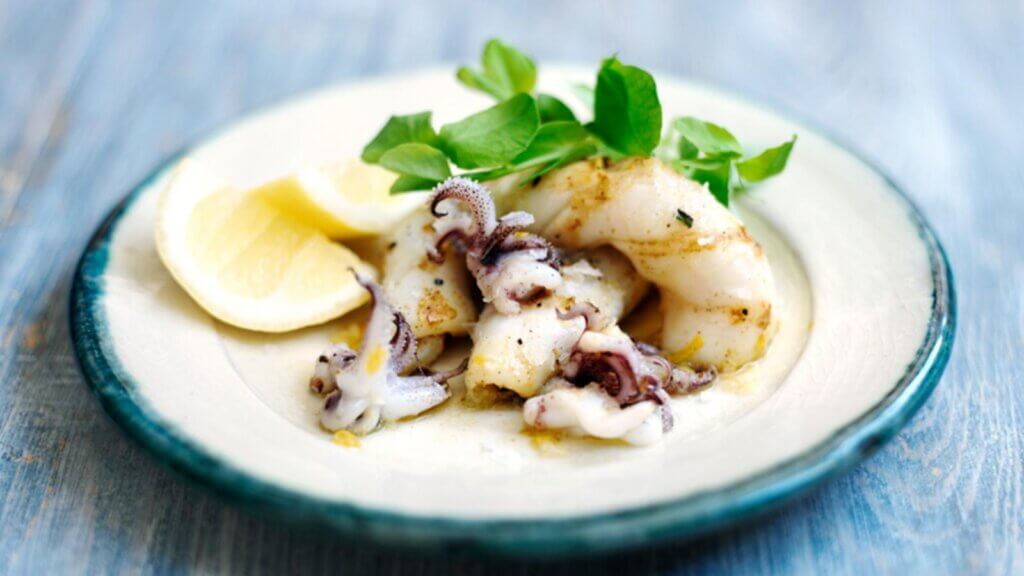
While fried calamari dominates many casual menus, grilled squid has gained popularity in Mediterranean kitchens and seafood-focused restaurants for its smoky depth and cleaner finish. The real question is not which dish is more popular — but which delivers a better experience depending on context. Understanding the differences starts with technique.
The Same Ingredient, Two Very Different Outcomes
Both dishes typically use squid rings or whole cleaned squid. However, preparation defines the final result. In fried calamari, the squid is coated in flour or batter and submerged in hot oil. The coating creates a crispy shell that contrasts with the tender interior.
With grilled squid, the squid is exposed directly to high heat from charcoal or a grill surface. The exterior develops light charring and caramelization while preserving natural moisture. The cooking environment alone already shapes the flavor profile significantly.
Texture: Crispy Crunch vs Smoky Tenderness
Texture is the most noticeable difference between the two. Fried calamari offers a strong initial crunch. The batter or flour coating crisps quickly, forming a protective layer around the squid. When done correctly, the inside remains soft while the exterior delivers satisfying resistance.
However, if overcooked, fried calamari can become chewy because squid proteins tighten under excessive heat. Grilled squid, on the other hand, develops a slightly firm exterior with subtle grill marks. The natural sugars in the squid lightly caramelize, and exposure to smoke adds complexity. When cooked briefly at high heat, the flesh stays tender and juicy. For diners who prefer light texture and minimal oil, grilled squid often feels cleaner and more refined.
Flavor: Oil-Fried Richness vs Smoke-Enhanced Depth
Flavor perception changes dramatically based on preparation. Fried calamari absorbs some oil during cooking, contributing to a richer mouthfeel. Seasonings often come from the batter itself or from dipping sauces like aioli or spicy mayonnaise. The oil and sauce combination defines much of the taste.
Grilled squid relies on natural seafood flavor enhanced by direct heat and smoke. Olive oil, lemon, garlic, or herbs are usually applied before or after grilling to amplify taste without masking it. The smokiness from charcoal adds an additional layer that frying cannot replicate. This subtle aroma is why many seafood restaurants prefer grilling for premium presentations.
Cooking Technique Differences
Frying Calamari
- Squid is cut into rings or strips
- Coated in flour or batter
- Deep-fried at high temperature
- Cooked quickly to prevent toughness
Timing is critical — even a short delay can overcook the squid.
Grilling Squid
- Squid is cleaned and dried
- Lightly brushed with oil and seasoning
- Placed directly on hot grill grates
- Cooked briefly on each side
Overexposure to heat will make the squid rubbery, so attention and speed matter. Grilling allows visible control over doneness, while frying depends heavily on oil temperature stability.
Where Each Version Shines
In coastal Spain and Mediterranean regions, grilled squid often appears on restaurant menus near the sea. The preparation highlights freshness and simplicity, making it ideal for seafood-centric dining experiences. Fried calamari is more common in tapas bars and casual settings. It works well as shareable finger food and pairs easily with beer or light white wine.
In a high-end setting, grilled squid usually feels more premium. In casual environments, fried calamari often wins for accessibility and comfort appeal. Both have their place.
A Mediterranean Perspective
In regions like Barcelona, both versions appear frequently in local restaurants. However, grilled squid has gained prominence in establishments focused on fresh market ingredients and open-fire cooking. The Mediterranean approach emphasizes simplicity — olive oil, fresh lemon, and direct heat. Grilled squid aligns closely with this philosophy.
Fried calamari, while popular, reflects more of a global adaptation influenced by fast-service environments.
Final Thoughts
When comparing grilled squid and fried calamari, it is not about declaring a universal winner. Instead, it is about understanding how cooking technique shapes texture, flavor, and experience. Fried calamari delivers bold crunch and comfort. Grilled squid offers smoke, freshness, and a refined seafood profile.
For true seafood appreciation, trying both side by side reveals how dramatically preparation can transform the same ingredient. If you explore them in a coastal restaurant or prepare them at home, pay attention to heat control and timing — those factors determine whether squid becomes tender perfection or an overcooked disappointment.