Traditional Catalan Desserts: 12 Sweet Treats to Try
Catalonia is famous for its breathtaking architecture, Mediterranean coastline and rich culinary traditions. While dishes such as pa amb tomàquet, seafood paella and tapas often steal the spotlight, the region’s desserts deserve just as much attention. This guide to Traditional Catalan Desserts introduces twelve delicious sweets that showcase the flavours, history and traditions of Catalan cuisine.
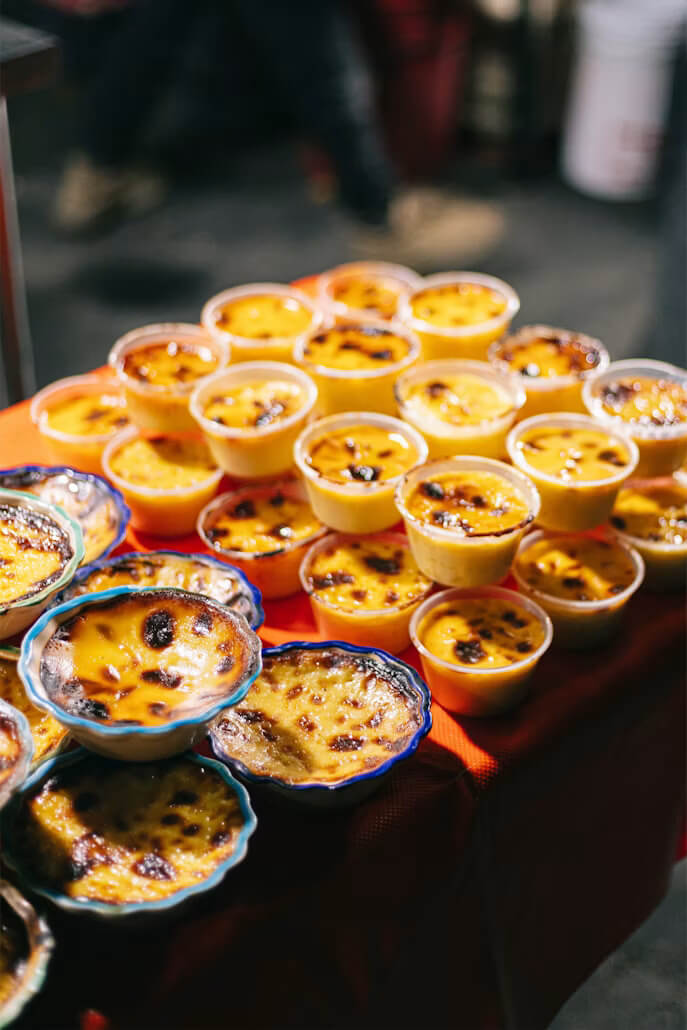
From creamy custards and delicate pastries to festive treats enjoyed during local celebrations, these desserts are an essential part of every food lover’s visit to Barcelona and Catalonia.
Why Are Traditional Catalan Desserts So Special?
Catalan desserts are rooted in centuries of culinary tradition. Many recipes have been passed down through generations and continue to be prepared using simple, high-quality ingredients such as milk, eggs, almonds, honey, citrus fruits and cinnamon. Several desserts are linked to local festivals and religious celebrations, while others are enjoyed throughout the year in homes, bakeries and restaurants across the region. Their combination of tradition, simplicity and exceptional flavour makes them an unforgettable part of Catalonia’s gastronomy.
1. Crema Catalana
Crema Catalana is undoubtedly the region’s most famous dessert. Prepared with milk, egg yolks, sugar, lemon zest and cinnamon, it is finished with a thin layer of caramelised sugar that creates a crisp topping.
Although it is often compared to crème brûlée, Crema Catalana has a lighter texture and distinctive citrus flavour.
2. Mel i Mató
Mel i Mató is one of Catalonia’s simplest yet most beloved desserts. It combines fresh mató cheese with high-quality local honey.
The creamy cheese and natural sweetness create a refreshing dessert that perfectly represents Catalan cooking.
3. Xuixo de Girona
Originally from the city of Girona, the Xuixo is a deep-fried pastry filled with smooth pastry cream and coated in sugar. Its crispy exterior and creamy filling have made it a favourite throughout Catalonia.
It pairs perfectly with a morning coffee or afternoon break.
4. Panellets
Panellets are traditional almond sweets closely associated with La Castanyada, celebrated on All Saints’ Day. Made primarily from almond paste and sugar, they are often coated with pine nuts, coconut, cocoa or coffee.
Their rich flavour makes them one of Catalonia’s most recognisable festive desserts.
5. Coca de Sant Joan
Every June, Catalans celebrate the Festival of Sant Joan with Coca de Sant Joan. This sweet bread is decorated with candied fruit, pine nuts and sugar, although cream-filled versions are also popular. It is traditionally shared with family and friends during the festivities.
6. Carquinyolis
Carquinyolis are crunchy almond biscuits similar to Italian biscotti. They are commonly served with coffee, dessert wine or hot chocolate. Their crisp texture makes them ideal for dipping into your favourite drink.
7. Bunyols de l'Empordà
These small fried dough balls are lightly flavoured with lemon and anise before being dusted with sugar. They are particularly popular during Lent and Easter but can be found in many bakeries throughout the year. Freshly prepared, they are soft inside and slightly crisp outside.
8. Braç de Gitano
Braç de Gitano is Catalonia’s version of the classic Swiss roll. A light sponge cake is rolled around fillings such as whipped cream, pastry cream, chocolate or fruit jam. It is often served during celebrations and family gatherings.
9. Menjar Blanc
Menjar Blanc is one of Catalonia’s oldest desserts. Made from almonds, milk, sugar and cinnamon, it has a smooth, delicate texture and subtle flavour. Its origins date back to medieval times, making it an important part of the region’s culinary heritage.
10. Tortell de Reis
This festive cake is traditionally enjoyed on Epiphany in January. Decorated with candied fruit and filled with cream or marzipan, it hides a small figurine and a dried bean inside. Finding the figurine is believed to bring good luck for the coming year.
11. Torró
Although especially popular during Christmas, Torró is enjoyed throughout Spain and Catalonia. Made from almonds, honey, egg whites and sugar, it comes in both soft and hard varieties. Many artisan producers also create modern flavours featuring chocolate, pistachio and other nuts.
12. Neules
Neules are thin, crisp wafer rolls traditionally served during Christmas alongside cava or dessert wine. Their light texture makes them the perfect way to finish a festive meal. Despite their simplicity, they remain one of Catalonia’s most cherished holiday treats.
Traditional Ingredients Used in Catalan Desserts
Many Catalan sweets rely on a handful of premium ingredients that reflect the region’s agricultural traditions. Common ingredients include:
- Almonds
- Honey
- Eggs
- Fresh milk
- Cinnamon
- Lemon zest
- Orange zest
- Pine nuts
- Olive oil
- Sugar
These ingredients provide the natural flavours that define authentic Catalan desserts.
Where to Enjoy Traditional Catalan Desserts in Barcelona
Barcelona offers countless bakeries, cafés and restaurants where visitors can discover these traditional sweets. After enjoying authentic Spanish or Basque cuisine, restaurants such as El Pintxo de Petritxol also offer delicious desserts that provide the perfect ending to a memorable meal in the heart of the Gothic Quarter.
Conclusion
This guide to Traditional Catalan Desserts highlights twelve delicious sweets that every visitor should try. From the creamy elegance of Crema Catalana and the freshness of Mel i Mató to festive favourites such as Panellets and Coca de Sant Joan, each dessert offers a unique taste of Catalonia’s rich gastronomic heritage.
If you’re planning a culinary adventure in Barcelona, be sure to leave room for dessert. Exploring Catalonia’s traditional sweets is the perfect way to complete your journey through one of Europe’s finest food destinations.