5 Reasons Turbot Is the Irresistible Spanish Seafood Staple You Must Try
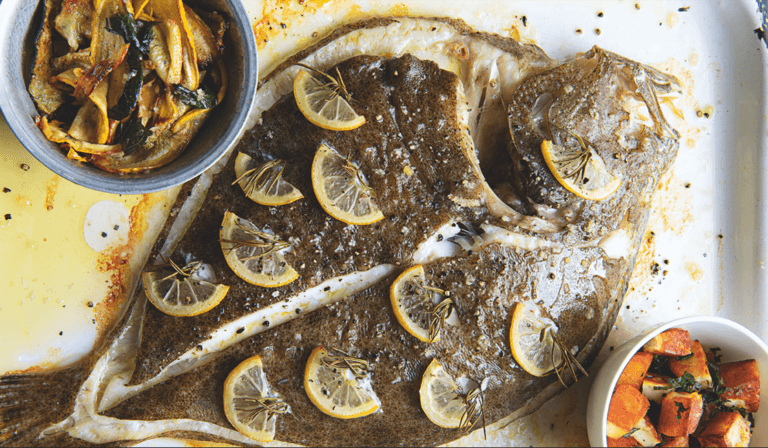
Among Spain’s celebrated seafood, turbot occupies a special place. Its firm, delicate flesh and subtle flavor make it a favorite in coastal kitchens and fine-dining restaurants alike. From bustling fish markets to home tables during festive meals, turbot exemplifies the Spanish reverence for fresh, seasonal ingredients. Understanding why turbot is such a staple requires looking at its sourcing, seasonality, and culinary tradition.
Spanish cuisine prizes ingredient quality above all. Turbot is a prime example: it is treated with care, cooked with minimal embellishment, and paired with simple accompaniments that highlight its natural flavor. From Galicia’s Atlantic shores to Catalonia’s Mediterranean coast, turbot appears in a variety of preparations, reflecting both regional identity and national culinary pride.
The Origins of Turbot in Spanish Cuisine
Turbot (Scophthalmus maximus) is a flatfish prized for its dense, white flesh and mild, slightly sweet taste. Historically, it has been a valued ingredient in northern Spain, particularly along the Atlantic coast where the cold waters produce firm, flavorful fish. Its popularity spread across Spain over centuries, becoming associated not only with everyday coastal meals but also with festive and celebratory occasions.
Turbot’s culinary status is linked to its versatility. It can be roasted, steamed, grilled, or baked en papillote, and it pairs beautifully with both simple and complex preparations. This adaptability, combined with its rich yet delicate taste, has secured its place in Spanish gastronomy.
Sourcing Turbot: From Market to Kitchen
Freshness is the cornerstone of Spanish seafood culture, and turbot is no exception. Spanish fish markets, such as Mercado de la Boqueria in Barcelona or Mercado de Santiago in Galicia, prioritize local catches. Buying turbot in season ensures optimal flavor and texture.
Sustainably sourced turbot is highly valued. Wild-caught turbot from Atlantic waters is often preferred for its firmness and flavor, though responsibly farmed turbot has become increasingly available, offering year-round access without compromising quality. When selecting turbot, look for bright, clear eyes, firm flesh, and a fresh, clean smell—hallmarks of freshness in Spanish markets.
Seasonal Importance of Turbot
Turbot is generally best from late spring through early autumn, when the fish reaches optimal size and flavor. Seasonal availability influences Spanish menus, particularly in coastal regions where chefs highlight the freshest local seafood.
During festive periods such as Navidad and Semana Santa, turbot often appears on family tables and in restaurant specials. Its prominence during these times underscores Spain’s focus on seasonal ingredients and traditional practices. Cooking turbot out of season is possible, but the flavor and texture are at their peak during its natural season.
Traditional Preparations of Turbot in Spain
Spanish cooks favor methods that showcase turbot’s natural qualities. Some of the most classic preparations include:
- Turbot a la Gallega: Roasted or steamed, often served with a drizzle of olive oil, garlic, and paprika.
- Baked Turbot with Herbs: Simple roasting with thyme, parsley, and lemon slices enhances the fish’s subtle sweetness.
- Turbot en Papillote: Wrapped in parchment with vegetables and white wine, allowing gentle steaming and aroma infusion.
These dishes emphasize simplicity, letting the fish shine. Minimal seasoning and careful cooking prevent overpowering its delicate flavor, reflecting the broader Spanish philosophy of ingredient respect.
Turbot and Spanish Culinary Tradition
In Spain, turbot is more than a dinner option—it is a symbol of quality, seasonality, and coastal heritage. Traditionally, families in Galicia, Asturias, and Cantabria would serve turbot for Sunday lunches or special occasions, often accompanied by boiled potatoes, seasonal greens, or light sauces.
Chefs in high-end restaurants also prize turbot, creating dishes that respect its natural flavor while adding modern techniques and presentation. From rustic family kitchens to Michelin-starred dining rooms, turbot embodies the connection between tradition and innovation in Spanish seafood culture.
Tips for Cooking Turbot at Home
Bringing turbot from market to table is straightforward if handled correctly:
- Keep it chilled: Store fresh turbot on ice or in the coldest part of your fridge until ready to cook.
- Gentle cooking: Bake, steam, or grill to maintain moisture and texture.
- Minimal seasoning: Olive oil, fresh herbs, and citrus enhance flavor without overwhelming it.
- Timing: Cook just until opaque; overcooking makes the flesh dry and less flavorful.
- Presentation: Serve with simple accompaniments to highlight the fish—potatoes, seasonal vegetables, or a light sauce.
Following these steps ensures an authentic Spanish seafood experience at home, true to tradition.
Why Turbot Remains a Spanish Favorite
Turbot endures in Spanish cuisine because it combines taste, versatility, and cultural significance. Its presence on family tables during holidays and in celebrated coastal restaurants reflects a culinary identity rooted in respect for the sea and seasonal ingredients.
From sourcing and preparation to cooking and presentation, turbot exemplifies the Spanish approach to seafood: simple, ingredient-driven, and deeply connected to tradition. It is both a daily pleasure and a festive highlight, bridging generations and regions across Spain.
Final Thoughts: Bringing Turbot from Market to Table
For anyone exploring Spanish seafood culture, turbot is an essential ingredient to understand and savor. Its delicate flavor, seasonal importance, and connection to coastal traditions make it a staple in both home kitchens and high-end gastronomy. Cooking turbot at home allows food lovers to experience the Spanish reverence for fresh seafood, minimal seasoning, and careful preparation—an authentic taste of Spain from market to table.