7 Unforgettable Basque Country Culinary Experiences Every Food Lover Must Try
The Basque Country is widely regarded as one of the greatest food destinations in the world, not because of trends or hype, but because of a deeply rooted culinary identity shaped by geography, tradition, and pride. Straddling northern Spain and southwestern France, this region has developed a food culture that is fiercely local, ingredient-driven, and emotionally tied to its people. In the Basque Country, cooking is not just a profession or pastime—it is a shared language, passed down through generations and celebrated daily around the table.
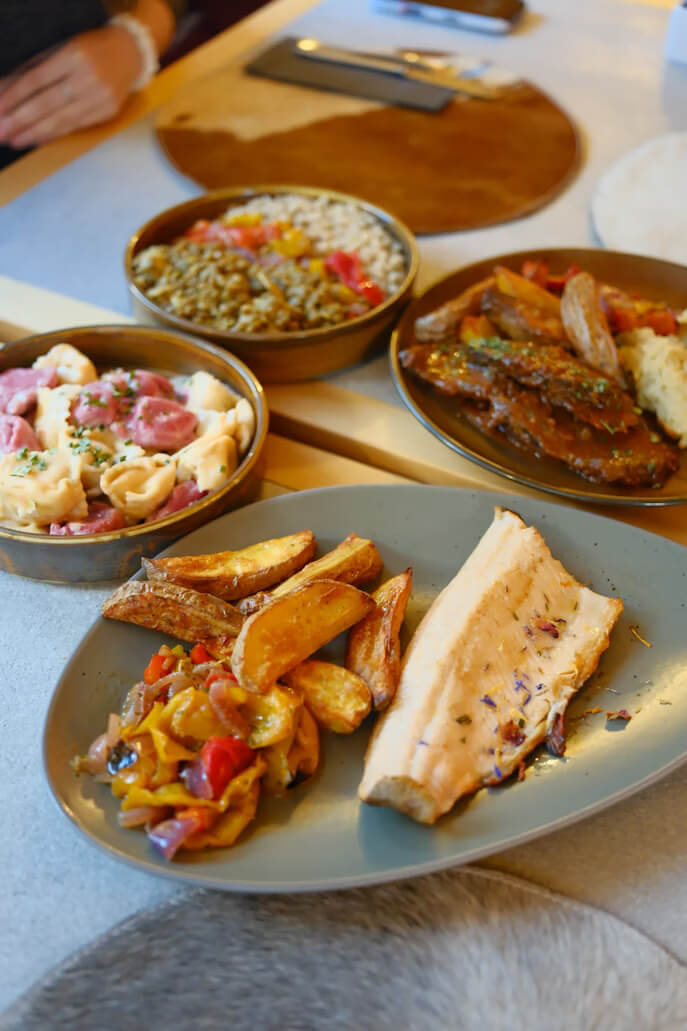
From humble fishermen’s stews to globally acclaimed Michelin-starred kitchens, Basque Country cuisine balances rustic authenticity with technical excellence. What truly sets it apart is its respect for raw ingredients, seasonal rhythms, and communal dining traditions that place food at the center of social life. To understand why the Basque Country has earned its reputation as a culinary powerhouse, one must look beyond individual dishes and explore the culture that created them.
The Geography That Shapes Basque Country Cuisine
The culinary identity of the Basque Country begins with its geography. The region sits between the rugged Cantabrian Sea coastline and lush green mountains, creating an environment where seafood, pasture-raised meats, and fresh produce coexist naturally.
Along the coast, fishing villages such as Getaria, Hondarribia, and Bermeo have shaped a cuisine built on pristine seafood. Inland, rolling hills and farms supply vegetables, legumes, cheeses, and meats that form the backbone of everyday Basque cooking. This close proximity between land and sea allows Basque Country cuisine to be remarkably diverse without ever feeling fragmented. Seasonality plays a central role. Ingredients are selected at their peak, and menus—whether in modest taverns or fine-dining restaurants—change to reflect what the region provides at that moment.
A Philosophy of Ingredient Respect
One of the defining principles of Basque Country gastronomy is restraint. Dishes are rarely overcomplicated. Instead, techniques are designed to highlight the natural flavor of the ingredient rather than mask it.
Fresh fish may be grilled simply over embers, seasoned with little more than olive oil and salt. Vegetables are cooked gently to preserve texture and sweetness. Sauces, when used, are purposeful and balanced. This philosophy reflects a broader cultural value in the Basque Country: respect for what the land and sea provide. The result is cuisine that feels honest and confident—food that does not need embellishment to impress.
Traditional Dishes That Define the Basque Country
The Basque Country is home to some of Spain’s most iconic regional dishes, many of which are rooted in working-class traditions.
Bacalao al pil-pil is perhaps the most emblematic. Made from salted cod, olive oil, garlic, and chili, it relies on technique rather than ingredients to create its signature emulsified sauce. Marmitako, a tuna and potato stew, reflects the region’s maritime heritage and is traditionally eaten during fishing season. Other staples include txangurro (stuffed spider crab), alubias de Tolosa (black beans slow-cooked with pork), and chuleta, a thick-cut aged beef steak grilled over charcoal. These dishes showcase the Basque Country’s ability to elevate simplicity through precision and care.
Pintxos: The Social Heart of Basque Dining
No discussion of Basque Country cuisine is complete without pintxos. Often compared to tapas, pintxos are more than small plates—they are a social ritual. In cities like San Sebastián and Bilbao, locals move from bar to bar, enjoying a single pintxo and drink before continuing on.
Pintxos range from simple combinations of anchovy, olive, and pepper to intricate, chef-driven creations that demonstrate remarkable technical skill. What unites them is their role in daily life. Pintxos are meant to be shared, discussed, and enjoyed standing at a bar, reinforcing the communal nature of Basque Country dining.
Txokos: Where Basque Food Culture Lives
One of the most unique aspects of the Basque Country is the txoko. These private cooking societies are central to preserving culinary tradition. Members gather to cook, eat, and socialize, often preparing classic recipes exactly as they have been made for decades.
Txokos are not restaurants; they are cultural institutions. They reflect the Basque belief that food is best enjoyed collectively and that cooking is a shared responsibility. Many professional chefs in the Basque Country credit txokos as the place where they first learned to cook. This grassroots food culture ensures that traditional techniques and recipes continue to thrive alongside modern gastronomy.
The Rise of Basque Country Fine Dining
Despite its strong traditional foundation, the Basque Country is also at the forefront of global fine dining. The region boasts one of the highest concentrations of Michelin-starred restaurants per capita in the world.
Chefs such as Juan Mari Arzak, Pedro Subijana, and Martín Berasategui pioneered a modern Basque cuisine that respects tradition while embracing innovation. Their work helped position the Basque Country as a global reference point for culinary excellence. What distinguishes Basque fine dining is that innovation never feels disconnected from its roots. Even the most avant-garde dishes maintain a clear link to regional ingredients and flavors.
Local Products That Define the Basque Country
The strength of Basque Country cuisine lies in its products. Idiazabal cheese, made from sheep’s milk and lightly smoked, is a regional treasure. Txakoli, the region’s slightly effervescent white wine, pairs naturally with seafood and pintxos.
Cider, produced from local apples, plays an important role in traditional dining houses known as sagardotegiak, where diners enjoy hearty meals alongside barrels of cider poured directly into their glasses. These products are not just accompaniments; they are expressions of the Basque Country’s agricultural and maritime heritage.
Why the Basque Country Stands Apart
What makes the Basque Country one of the world’s best food destinations is not a single dish or restaurant, but a holistic culinary ecosystem. Food is embedded in daily life, from home kitchens to neighborhood bars to internationally acclaimed dining rooms.
There is pride in preservation, openness to evolution, and an unwavering commitment to quality. Visitors quickly sense that eating in the Basque Country is not transactional—it is relational. Meals are conversations, traditions are shared, and recipes are treated as cultural assets.
Final Thoughts: A Culinary Identity Like No Other
The Basque Country offers a rare combination of authenticity and excellence. Its cuisine is grounded in tradition yet constantly evolving, shaped by geography, community, and a profound respect for ingredients. Whether enjoying a simple pintxo at a crowded bar or a meticulously crafted tasting menu, diners experience a food culture that is deeply human and unmistakably Basque.
For anyone seeking to understand why food matters—not just on the plate, but in society—the Basque Country stands as one of the world’s most compelling culinary destinations.