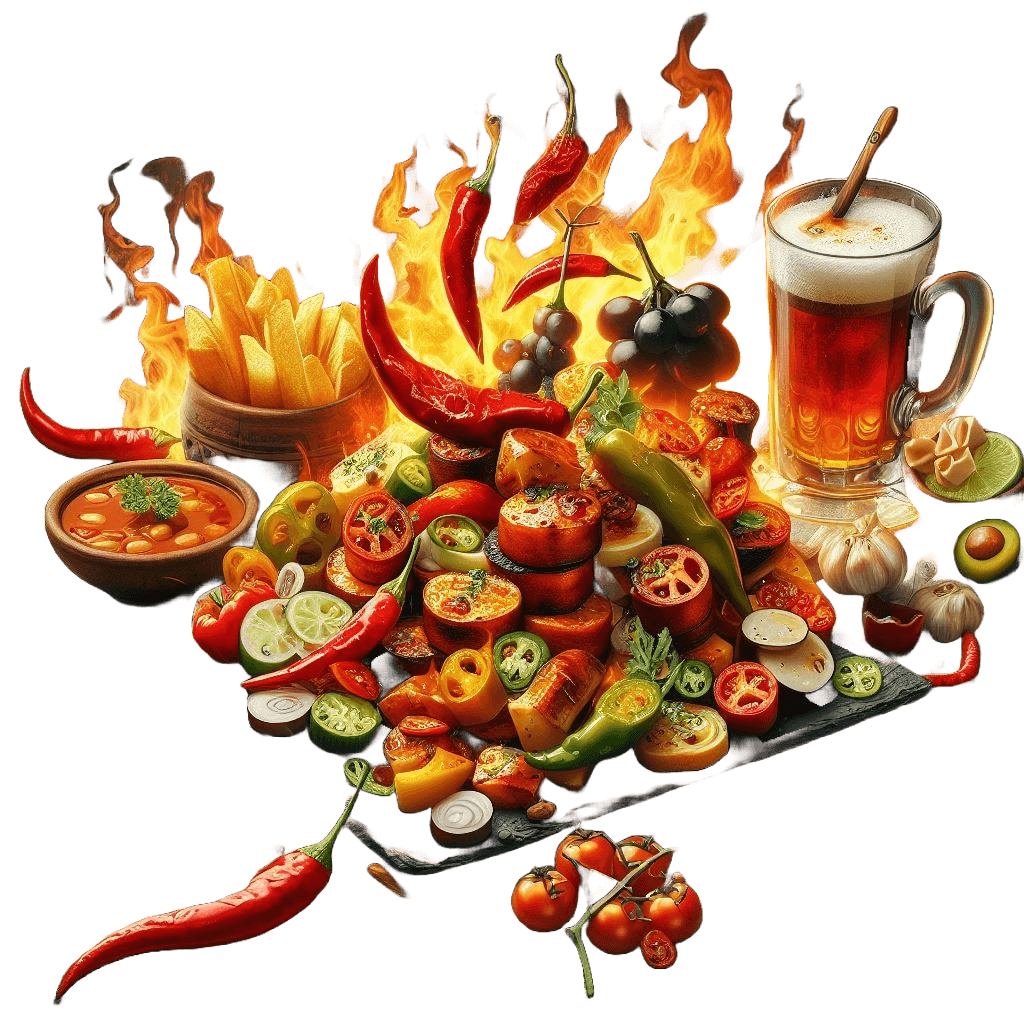
Chistorra: 7 Bold Reasons to Try Spain’s Smoky Sausage Favorite

When it comes to Spanish sausages, most people immediately think of chorizo. But there’s another smoky, spicy star sizzling on the grill in northern Spain: chistorra. Slimmer, juicier, and made to be eaten hot and fast, chistorra is a must-try for any lover of bold, rustic flavors.
Whether tucked into crusty bread, served alongside eggs, or charred over an open flame at a village fiesta, chistorra delivers a mouthwatering punch of paprika, garlic, and pure Spanish soul.
What Exactly Is Chistorra?
Chistorra (sometimes spelled txistorra in Basque regions) is a fresh, thin sausage made from minced pork, pork fat, garlic, salt, and pimentón (Spanish smoked paprika). It’s typically encased in natural pork intestine and cured for just a few days—unlike chorizo, which is often aged for weeks or even months.
That short curing time gives chistorra its signature soft, juicy texture. When cooked, it crisps up on the outside while staying tender and oily inside. The flavor? Smoky, garlicky, and deeply savory with that unmistakable red hue from pimentón dulce or picante.
Where Does Chistorra Come From?
Chistorra (sometimes spelled txistorra in Basque regions) is a fresh, thin sausage made from minced pork, pork fat, garlic, salt, and pimentón (Spanish smoked paprika). It’s typically encased in natural pork intestine and cured for just a few days—unlike chorizo, which is often aged for weeks or even months.
That short curing time gives chistorra its signature soft, juicy texture. When cooked, it crisps up on the outside while staying tender and oily inside. The flavor? Smoky, garlicky, and deeply savory with that unmistakable red hue from pimentón dulce or picante.
How Is Chistorra Cooked?
Chistorra is almost always served cooked, not raw or cured like other embutidos. Here are the most common methods:
- Grilled (a la brasa): The traditional and most flavorful way, often on open flame or charcoal.
- Fried (a la sartén): Quick and easy, especially for sandwiches or breakfast dishes.
- Baked (al horno): Wrapped in pastry (chistorra en hojaldre) for tapas or party bites.
Whichever method you choose, expect the sausage to release bright red oil—that’s all the paprika and pork fat mingling together, creating flavor magic.
Why You Should Try Chistorra
You might be wondering—why choose chistorra over chorizo? While both are beloved Spanish sausages, chistorra is fresh, soft, and meant to be cooked and eaten hot, delivering a bold hit of garlic and smoky paprika. It’s thinner, juicier, and packs more punch, making it the ultimate rustic bite for grilling, gatherings, and unapologetically oily fingers.
What to Drink with Chistorra
This sausage needs a drink with backbone. Go for:
- Dry cider (sidra natural): A Basque favorite.
- Red Rioja or Navarra wine: Something with tannin to cut the fat.
- Craft beer: Pale ales or malty ambers balance the smokiness beautifully.
If you’re at a local bar, don’t overthink it. A caña and a slice of chistorra is already a perfect combo.
Final Bite: Chistorra Is Spain’s Sausage of the People
At the end of the day, chistorra is comfort food. It’s a slice of Spanish countryside, a bar-top tapa, and a festival favorite all rolled into one smoky red bite. It may not be as famous as jamón or as Instagrammable as pintxos, but ask any Spaniard, and they’ll tell you—chistorra hits differently.
So next time you’re craving something bold, rustic, and deeply satisfying, skip the chorizo for a night and let chistorra take the spotlight.