The Evolution of Catalan Cuisine: 7 Inspiring Ways Tradition Meets Innovation
Catalan cuisine is a remarkable blend of history, culture, and flavor. Rooted deeply in the traditions of Catalonia, this cuisine is evolving in exciting ways. From rustic, time-honored recipes to bold, contemporary creations, Catalan food reflects the spirit of a region that respects its past while eagerly embracing the future.
In Barcelona’s vibrant food scene, including the cozy corners of Petritxol Street near La Rambla, this evolution is especially visible. Places like El Pintxo de Petritxol celebrate Catalan cuisine by mixing old and new, inviting diners on a culinary journey through time and taste.
1. Deep Roots in Local, Seasonal Ingredients
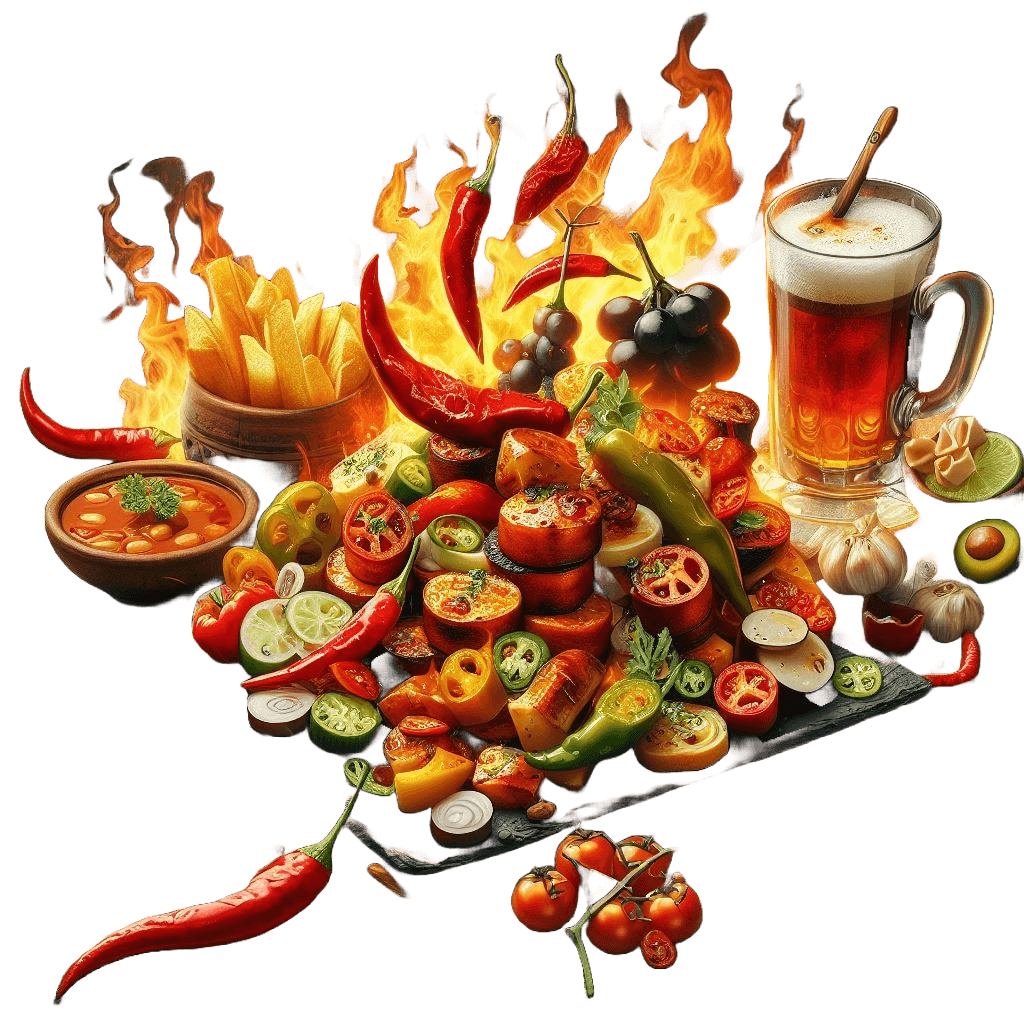
At the heart of Catalan cuisine is a respect for local, seasonal ingredients. Olive oil, garlic, ripe tomatoes, fresh herbs like rosemary and thyme, and robust peppers have always been kitchen essentials. These simple yet flavorful components give traditional dishes their unmistakable character.
Catalonia’s diverse landscape—from the Mediterranean coast to the rugged mountains—provides a variety of fresh ingredients year-round. Coastal seafood, mountain mushrooms, garden vegetables, and hearty meats all play a vital role in the cuisine’s authenticity.
Classic dishes like Pa amb tomàquet (bread rubbed with tomato and olive oil) and Escudella i Carn d’Olla (a rich Catalan stew) highlight this connection to the land and sea. Each bite tells a story of place, season, and tradition.
2. Historical Influences Shape Catalan Flavors
Catalan cuisine is a rich tapestry woven from centuries of cultural exchange. Roman settlers introduced wheat and olives, which remain staples today. Moorish rule brought exotic spices such as saffron and paprika, infusing dishes with warmth and complexity.
Later, French culinary techniques influenced Catalonia’s kitchens, elevating sauces and methods that enhanced the region’s gastronomy. This blend of influences ensures that Catalan cuisine is both unique and layered.
3. Reinventing Tradition: The Modern Catalan Kitchen
In 2025, the Catalan culinary scene is bustling with creativity. Chefs are taking beloved classics and giving them fresh twists, blending contemporary techniques with traditional flavors.
For example, the beloved calcots (grilled spring onions) are no longer served solely with romesco sauce. Today’s chefs experiment with diverse sauces and accompaniments that add new dimensions without losing the dish’s soul.
Escalivada, a dish of smoky roasted vegetables, might be transformed into a layered appetizer with unexpected textures and ingredients, surprising diners while respecting the roots of the recipe.
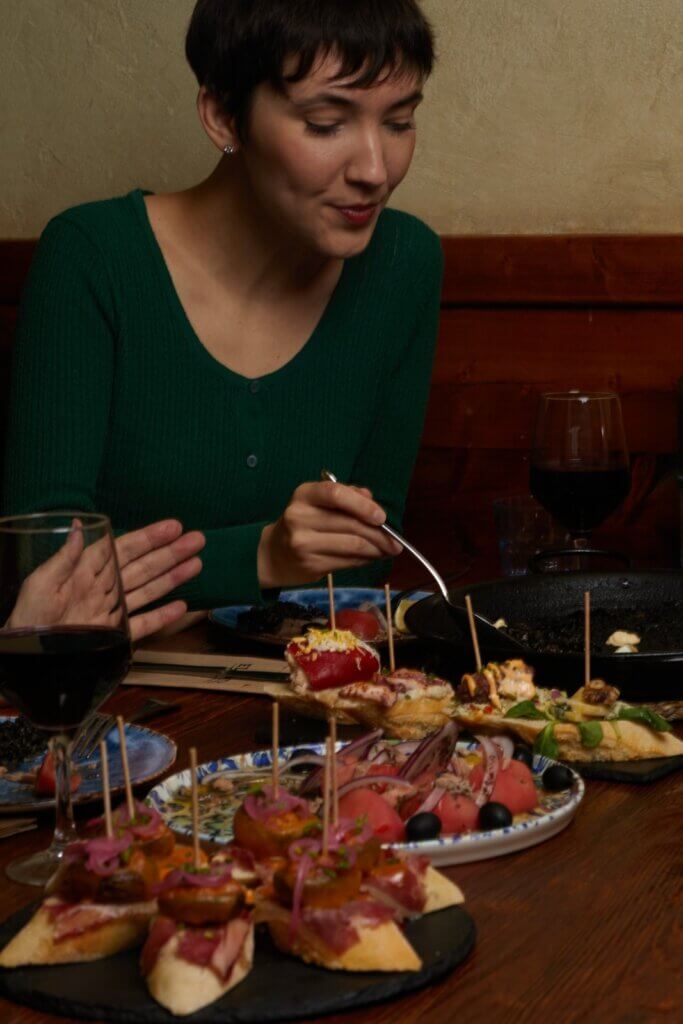
This inventive spirit is clearly seen in Barcelona’s many restaurants, including El Pintxo de Petritxol. Here, traditional Catalan pintxos are reinvented with modern flair—sometimes fusing international flavors, other times highlighting local superfoods—all while maintaining a deep respect for heritage.
4. The Rise of Plant-Based and Sustainable Dining
Sustainability and plant-based eating have become cornerstones of Catalan cuisine’s evolution. Diners are increasingly seeking dishes that are not only delicious but also kind to the planet.
Restaurants throughout Barcelona, including El Pintxo de Petritxol, now feature innovative vegan and vegetarian pintxos. These options often utilize legumes, grains, seasonal vegetables, and herbs to create flavorful, satisfying plates.
5. Artisan Drinks: Enhancing the Catalan Brunch and Dining Experience
Catalan cuisine isn’t just about food—it’s about the full sensory experience. In Barcelona, artisan coffee, craft vermouth, and fresh-pressed juices are gaining popularity alongside meals, elevating brunch and dinner alike.
Single-origin coffees brewed by expert baristas complement the flavors of Catalan dishes perfectly. Homemade vermouth and creative cocktails infused with local herbs add layers of enjoyment.
6. Timeless Catalan Classics Still Hold Strong
While innovation excites food lovers, timeless Catalan dishes remain beloved. Spanish tortilla, botifarra sausage, crema catalana (a rich custard dessert), and flaky pastries like ensaimadas continue to delight locals and visitors.
These classics are comfort food that grounds the culinary culture, linking past and present with every bite. At El Pintxo de Petritxol, such dishes are given thoughtful attention, ensuring they remain staples even as menus expand.
7. Catalan Cuisine as a Social and Cultural Celebration
Catalan food culture is deeply social. Sharing small plates—whether pintxos or tapas—with friends and family is a cherished ritual.
Restaurants encourage communal dining, fostering lively atmospheres where conversation and connection flow as freely as the food and drink. This social element is integral to the Catalan dining experience and keeps the cuisine vibrant and relevant.
Petritxol Street, with its charming cafés and bars, epitomizes this spirit. The friendly ambiance of El Pintxo de Petritxol invites guests to savor the evolving Catalan cuisine in a warm, welcoming setting.
Looking Ahead: The Future of Catalan Cuisine
Catalan cuisine’s future looks bright. With its roots firmly planted in tradition and its branches reaching toward innovation, the cuisine continues to thrive.
Trends like plant-based eating, sustainability, and artisanal craftsmanship are shaping the next chapter. At the same time, the culinary culture remains anchored in local ingredients, seasonal rhythms, and rich history.
Whether you’re a longtime lover of Catalan food or a curious newcomer, this evolving cuisine offers endless delights. From classic dishes to creative innovations, every meal is a celebration of Catalonia’s rich culinary story.