Paella de Marisco: 4 Irresistible Reasons to Try Spain’s Ultimate Seafood Feast
If there’s one dish that captures the essence of Spain’s coastal cuisine, it’s paella de marisco. This seafood-packed version of the country’s most iconic rice dish is more than just a meal — it’s a celebration of the sea, family, and Spanish tradition served in a single sizzling pan.
Whether you’ve had it beachside in Barcelona or are planning your first taste, this guide will take you deep into the world of paella de marisco — what makes it different, how it’s made, and where to enjoy it like a local.
What Is Paella de Marisco?
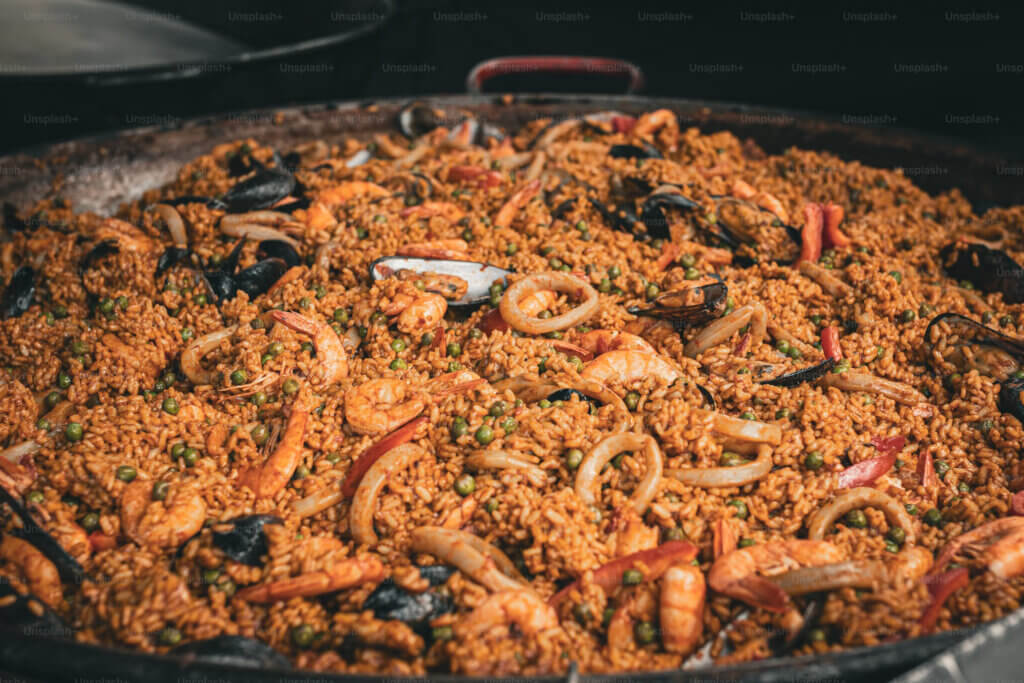
Paella de marisco, or seafood paella, is a coastal twist on the original Valencian paella. Instead of land-based ingredients like rabbit or chicken, this version is all about the ocean: prawns, mussels, squid, clams, and sometimes even langoustines or lobster. Key features of paella de marisco:
- Made without meat — only seafood and fish stock
- No beans or snails (unlike the traditional Valencian version)
- Richly flavored with saffron, garlic, tomatoes, and paprika
- Cooked in a wide, shallow paella pan to create the signature socarrat (crispy rice base)
It’s a dish that’s both rustic and refined, combining simple ingredients with centuries of culinary craftsmanship.
A Brief History of Paella
To appreciate paella de marisco, it helps to understand paella’s roots. The original paella was born in the Valencian countryside, a one-pan farmer’s dish made over open flames with what was available — usually rice, beans, snails, and rabbit. As Spain’s trade and culinary traditions evolved, so did paella. On the Mediterranean coast, seafood was abundant and naturally found its way into the dish. Thus, paella de marisco was born — a seaside staple especially popular in Catalonia, Alicante, and along the Costa Brava.
Ingredients That Make the Magic
Every paella de marisco starts with the right rice and the right stock.
Core Ingredients:
- Short-grain rice: Typically bomba or calasparra, which absorbs flavor without turning mushy.
- Seafood stock: Made from fish heads, shrimp shells, and aromatic vegetables for a deep umami base.
- Sofrito: A sauté of garlic, onions, and ripe tomatoes cooked down to a flavor-packed paste.
- Seafood: Fresh mussels, clams, squid rings, prawns, and sometimes scampi or monkfish.
Flavor Enhancers:
- Saffron for aroma and color
- Sweet smoked paprika for depth
- Lemon wedges for brightness at the end
What you won’t find in a proper paella de marisco? Chorizo. (That’s a tourist twist.)
How It's Made: The Art of the Pan
Cooking paella de marisco is a visual and sensory experience. It’s about layering flavors, getting the timing right, and respecting the integrity of the ingredients.
- Sofrito first: Build the base of flavor with slow-cooked onions, garlic, and tomatoes.
- Toast the rice: Add rice and stir briefly to coat it with the sofrito.
- Add the stock: Pour in hot seafood broth, never stirring again — this helps form the socarrat.
- Arrange the seafood: Place mussels, clams, and prawns artfully on top.
- Simmer and rest: Let it cook uncovered, then rest covered off-heat for 5–10 minutes.
The perfect paella de marisco should have tender, separate grains, deeply infused with ocean flavor, and a crunchy, caramelized base at the bottom.
Where to Eat Paella de Marisco in Barcelona
Barcelona is a top-tier city for seafood, and paella de marisco is found everywhere from beach bars to Michelin-starred kitchens. But not all paellas are created equal. Skip the microwaved tourist traps and head to these tried-and-true local spots:
- El Pintxo de Petritxol (Gòtic): A Basque-inspired gem tucked into the Gothic Quarter, El Pintxo de Petritxol isn’t just about pintxos — their paella de marisco is a local secret. Made with ultra-fresh market seafood and a deeply flavorful sofrito, it’s served in smaller pans, perfect for sharing in a cozy, authentic setting.
- Can Solé (Barceloneta): A historic favorite since 1903. Their paella de marisco is rich, vibrant, and beautifully presented in individual pans.
- La Mar Salada (Port Vell): This modern seafood house offers a refined version with ultra-fresh shellfish and just the right amount of saffron.
- 7 Portes (Born): An institution for paella lovers. The paella de marisco here is classic, deeply satisfying, and served in generous portions.
Perfect Pairings: What to Drink with Paella de Marisco
Pairing drinks with paella de marisco enhances the whole experience. Here are the local favorites:
- Sangria de cava: Light, bubbly, and citrusy — a great contrast to the richness of the rice.
- Albariño: A crisp, mineral white wine from Galicia.
- Verdejo: Herbaceous and fresh, great with clams and squid.
- Cold Estrella Galicia: Because sometimes only a beer will do.
Final Bite: Why You Need to Try Paella de Marisco
If you’re in Spain and want to experience the Mediterranean on a plate, look no further than paella de marisco. It’s colorful, flavorful, and steeped in tradition. Whether you try it at a seaside terrace in Barcelona or recreate it at home, this dish is a love letter to Spain’s coastal bounty.
From the moment the pan hits the table to the last bite of socarrat, paella de marisco brings people together — exactly as Spanish cuisine was meant to.