Sangria de Cava vs. Traditional Sangria: 5 Irresistible Differences That Make It Sparkle
In Spain, drinks are more than just a refreshment — they’re a ritual, a celebration of flavor, and often, a deep cultural tradition. And when it comes to iconic Spanish beverages, sangria reigns supreme. But within the world of sangria, there’s more than one way to raise a glass.
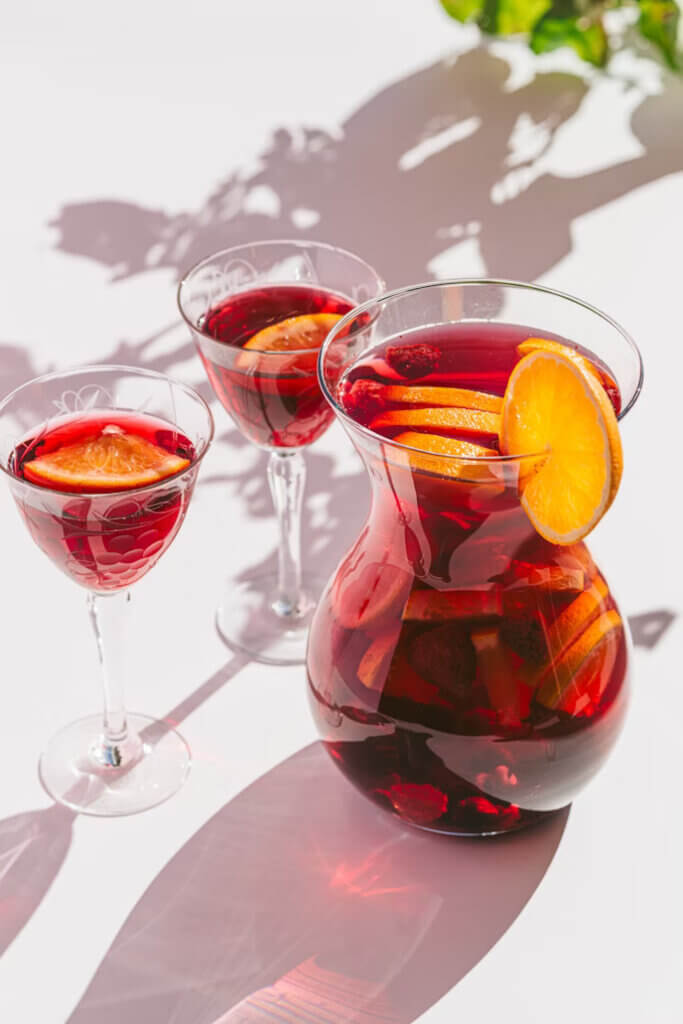
Enter sangria de cava, the sparkling, lighter cousin of traditional sangria, offering a refreshing twist on a beloved classic. But what exactly sets it apart? And why are more locals and visitors choosing sangria de cava over the red wine-based original?
Let’s dive into the flavorful world of sangria and discover what makes each version special — from ingredients and origins to taste and perfect pairings.
A Quick Look: What Is Sangria?
Sangria is a punch-style drink traditionally made with red wine, chopped fruits, brandy, and a splash of soda or juice. It’s fruity, bold, and endlessly adaptable — served across Spain at family gatherings, summer terraces, and tapas bars alike.
It has Moorish roots, Roman wine influences, and a history that spans centuries. But while the red wine version is the one most travelers know, locals have long embraced other regional varieties — especially a sparkling favorite that originated in Catalonia.
What Is Sangria de Cava?
Sangria de cava swaps out the red wine base for cava, Spain’s famous sparkling wine produced mostly in Catalonia. It’s lighter, crisper, and often considered more elegant and brunch-worthy. Instead of deep, wine-soaked fruitiness, sangria de cava delivers:
- Effervescence from the bubbles
- A lighter body with citrus and stone fruit notes
- A refreshing finish perfect for warm days by the sea
The result is a drink that’s sparkling, slightly dry or semi-sweet, and just as visually stunning as it is delicious.
Key Differences Between Sangria de Cava and Traditional Sangria
Sangria and its sparkling counterpart may share a name, but their personalities couldn’t be more different. The traditional version uses a red wine base like Tempranillo or Garnacha, often mixed with brandy or rum, and is loaded with apples, oranges, lemons, and berries — resulting in a bold, rich, and fruity profile perfect for hearty meals or winter tapas. The bubbly variation, on the other hand, is built on Spain’s sparkling wine (white or rosé), sometimes brightened with elderflower liqueur, and features lighter fruits like strawberries, peaches, citrus, and grapes. Its flavor is crisp, fizzy, and citrus-forward — making it the perfect pick for brunch, summer picnics, or a seaside aperitivo.
The Origin Story: Cava & Catalonia
To understand this sparkling twist, you need to understand cava — Spain’s answer to Champagne. Produced mainly in Catalonia, cava is made using the traditional méthode champenoise with native Spanish grapes like Macabeo, Xarel·lo, and Parellada.
Its popularity exploded in the 20th century, and naturally, inventive Catalan bartenders began mixing it with fruit and liqueur — creating the refreshing variation enjoyed today. While the red wine version is beloved in regions like Andalusia or Madrid, this bubbly blend is the pride of Catalonia — especially in Barcelona.
When to Choose Sangria de Cava
While both drinks have their place, sangria de cava shines in situations where you want something:
- Lighter and lower in tannins
- More elegant and celebratory
- Perfect for brunch, aperitivo, or beachside sipping
It pairs beautifully with seafood tapas like boquerones, gambas al ajillo, and calamares a la romana. The bubbles cut through oily textures and highlight the briny notes of the Mediterranean.
Final Sip: Why Sangria de Cava Deserves the Spotlight
While the classic red version will always have a place at the Spanish table, its sparkling counterpart is carving out its own identity — refined, festive, and unmistakably Catalan. It’s the drink of summer terraces, seaside lunches, and long, laughter-filled evenings.
So next time you’re in Barcelona or browsing a drink menu at a Spanish tapas restaurant, skip the usual and try the sparkling twist. Whether you’re clinking glasses on a sunny terrace or mixing up a batch at home, this bubbly blend is sure to become your new favorite sip.